Navigating US Visa Changes for Digital Nomads in 2026: What You Need to Know Now (RECENT UPDATES)

Anúncios
The allure of the United States for digital nomads is undeniable: diverse landscapes, bustling cities, innovative industries, and a culture that often celebrates entrepreneurship. However, for those who earn their living remotely and dream of experiencing life within its borders, the legal landscape surrounding visas can be complex and ever-changing. As we approach 2026, significant shifts in US immigration policy are anticipated, particularly for individuals who do not fit neatly into traditional employment categories. Understanding these potential changes is not just beneficial; it’s absolutely crucial for any digital nomad planning to visit, work, or reside in the US.
The concept of a ‘digital nomad visa‘ is relatively new on the global stage, with many countries, especially in Europe and Latin America, actively creating pathways for remote workers to contribute to their economies. The United States, historically focused on traditional employment-based visas or tourist visas, has been slower to adapt to this global trend. This article, ‘Navigating US Visa Changes for Digital Nomads in 2026: What You Need to Know Now (RECENT UPDATES)’, aims to provide a comprehensive overview of the current situation, expected developments, and practical advice for digital nomads.
Anúncios
The Current US Visa Landscape for Digital Nomads
Before delving into future predictions, it’s essential to understand the existing framework. Currently, the US does not offer a dedicated ‘US Digital Nomad Visa’. This means remote workers must navigate the existing visa categories, which were primarily designed for other purposes. The most common options, each with its own limitations and requirements, include:
- B-1 (Business Visitor) / B-2 (Tourist Visitor) Visa: Many digital nomads initially consider these options. A B-2 visa is strictly for tourism, meaning no work is permitted. A B-1 visa allows for certain business activities, such as attending conferences, negotiating contracts, or consulting with business associates. However, it explicitly prohibits ‘gainful employment’ within the US. This distinction is critical and often misunderstood. If your remote work directly generates income while you are physically present in the US, it typically falls outside the permissible activities of a B-1 visa. The line between ‘business activities’ and ‘working’ can be blurry, leading to potential issues if not carefully managed.
- E-1 (Treaty Trader) / E-2 (Treaty Investor) Visa: These visas are available to nationals of countries with which the US maintains treaties of commerce and navigation. They require substantial trade or investment in the US and are generally not suitable for typical individual digital nomads unless they are establishing a significant business presence.
- H-1B (Specialty Occupation) Visa: This is a non-immigrant visa that allows US employers to temporarily employ foreign workers in specialty occupations. It requires a US employer sponsor and a job offer that meets specific criteria. While some digital nomads might secure remote positions with US companies, the H-1B is highly competitive, cap-subject, and not designed for self-employed remote workers or those working for foreign entities.
- O-1 (Individuals with Extraordinary Ability or Achievement) Visa: For digital nomads with exceptional talents in fields like arts, sciences, education, business, or athletics, the O-1 visa might be an option. However, the bar for ‘extraordinary ability’ is very high, requiring extensive documentation of national or international acclaim.
- J-1 (Exchange Visitor) Visa: This visa is for individuals approved to participate in exchange visitor programs in the U.S. While some programs might allow for certain types of work or internships, it’s not a general pathway for independent digital nomads.
The key takeaway from the current situation is that there is no straightforward legal path for a foreign digital nomad to legitimately work remotely for a foreign employer while residing in the US. This forces many into a legal grey area, often relying on tourist visas and hoping not to attract attention, which carries significant risks, including visa revocation and future entry bans.
Anúncios
Why the Push for a US Digital Nomad Visa in 2026?
The global pandemic accelerated the remote work revolution, making the digital nomad lifestyle more prevalent than ever. As other nations recognize the economic benefits of attracting these skilled, often high-earning individuals, pressure is mounting on the US to modernize its immigration policies. Several factors are contributing to the increased likelihood of ‘US Digital Nomad Visa’ discussions and potential policy changes by 2026:
- Economic Benefits: Digital nomads bring disposable income, spend on local goods and services, rent accommodation, and often contribute to the local economy without taking jobs from US citizens. Many countries have seen direct economic boosts from their digital nomad programs.
- Talent Attraction: The US always seeks to attract top global talent. While traditional visas focus on those employed by US companies, a digital nomad visa could attract entrepreneurs, freelancers, and innovators who might eventually establish businesses or create jobs within the US.
- Global Competition: Over 50 countries globally have introduced some form of digital nomad visa. As the US lags, it risks missing out on a significant economic and talent opportunity.
- Technological Advancements: The infrastructure for remote work is now robust. Governments are increasingly understanding that physical presence for work doesn’t always equate to local employment.
- Advocacy Groups: A growing number of organizations and individuals are advocating for clearer immigration pathways for remote workers in the US.
While a dedicated ‘US Digital Nomad Visa’ is not guaranteed, the confluence of these factors suggests that by 2026, the discussion will be more prominent, and some form of policy adjustment, whether a new visa category or clearer guidelines for existing ones, is highly probable. ‘Navigating US Visa Changes for Digital Nomads in 2026’ will therefore become an even more critical topic.
Anticipated US Visa Changes and Scenarios for Digital Nomads in 2026
It’s important to preface this section by stating that these are projections based on current trends, legislative discussions, and global precedents. Specific details will only emerge closer to 2026. However, several scenarios are plausible:
Scenario 1: A Dedicated US Digital Nomad Visa
This is the most hoped-for outcome for many. A new visa category specifically designed for remote workers would provide legal clarity and a structured process. Key features of such a visa, based on international examples, might include:
- Income Requirements: Applicants would likely need to demonstrate a stable income above a certain threshold (e.g., $3,000-$5,000 USD per month) from foreign sources.
- Health Insurance: Mandatory health insurance coverage would almost certainly be a requirement.
- Proof of Remote Work: Documentation proving employment by a foreign company or self-employment with foreign clients.
- Clean Criminal Record: Standard for most visa applications.
- Duration: Initial validity could range from 6 months to 2 years, with possibilities for renewal.
- No Local Employment: A strict condition would likely be that the digital nomad cannot seek employment with US-based companies.
- Application Fees: Expect application fees, similar to other visa categories.
The political will to create an entirely new visa category would be the biggest hurdle. It would require legislative action, which can be a slow and arduous process in the US.
Scenario 2: Clarification and Expansion of Existing Visas
Instead of a new visa, the US government might issue clearer guidelines or expand the scope of existing visas to accommodate digital nomads. For instance:
- B-1 Visa Reinterpretation: New regulations could clarify what constitutes ‘permissible business activities’ for remote workers on a B-1 visa, potentially allowing for short-term stays (e.g., up to 90 days) for individuals working remotely for foreign companies, provided they are not engaging in the US labor market. This would still be limited but would provide much-needed clarity.
- J-1 Visa for Entrepreneurs/Freelancers: Specific J-1 exchange programs could be developed or expanded to include categories for international entrepreneurs or highly skilled freelancers who wish to spend time in the US, fostering cultural exchange and innovation.
Scenario 3: State-Level or Regional Pilot Programs
Given the federal nature of US immigration, it’s less likely but not impossible that certain states or territories (e.g., Puerto Rico, which has its own tax incentives) might lobby for or implement pilot programs aimed at attracting digital nomads. These would likely be limited in scope and not a nationwide solution, but could serve as a testing ground for federal policy.
Scenario 4: No Significant Changes (Status Quo with Increased Enforcement)
This is the least desirable scenario for digital nomads. Without legislative action or policy shifts, the current ambiguity would persist. In fact, as remote work becomes more common, immigration authorities might increase scrutiny and enforcement against individuals attempting to work remotely on tourist visas, leading to more denials, deportations, and future travel restrictions. This would make ‘Navigating US Visa Changes for Digital Nomads in 2026’ even more challenging, as it would be about avoiding pitfalls rather than embracing opportunities.
Preparing for US Visa Changes: Actionable Steps for Digital Nomads
Regardless of which scenario unfolds, proactive preparation is key. Here’s what digital nomads should consider doing now to be ready for 2026 and beyond:
1. Stay Informed and Monitor Official Sources
- Government Websites: Regularly check the official websites of the U.S. Citizenship and Immigration Services (USCIS), the Department of State (DOS), and the Department of Homeland Security (DHS) for any announcements, proposed rules, or policy changes.
- Reputable Immigration News: Follow established immigration law firms, news outlets, and advocacy groups that specialize in US immigration for updates and analysis.
- Subscribe to Alerts: Sign up for newsletters or alerts from these sources to receive timely information.
2. Document Everything Meticulously
Good record-keeping is vital for any visa application or border interaction. Start organizing your documents now:
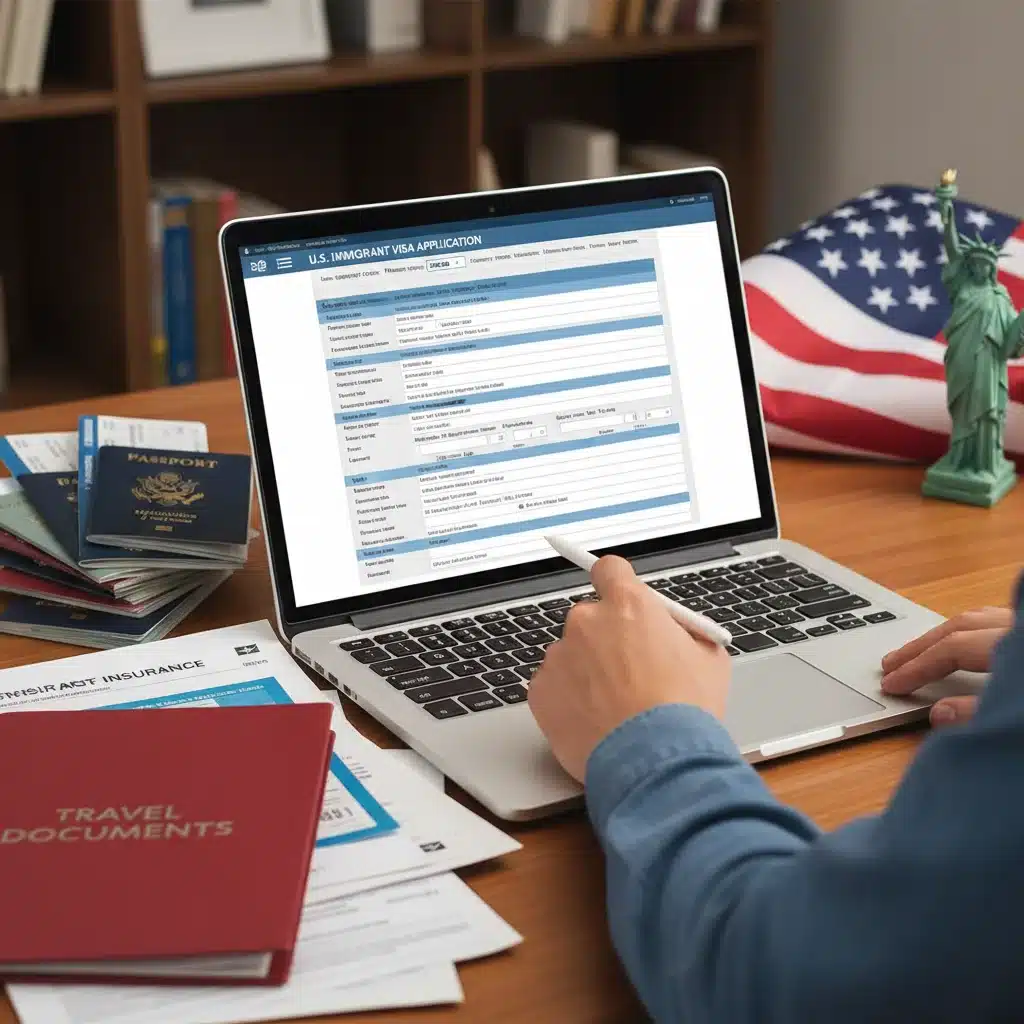
- Proof of Income: Bank statements, tax returns (foreign), invoices, and client contracts demonstrating consistent income from foreign sources.
- Proof of Employment/Business: Employment contracts with foreign companies, business registration documents (if self-employed), and client testimonials.
- Travel History: Keep records of your international travel, including entry and exit stamps, flight tickets, and visa records from other countries.
- Health Insurance: Research and secure comprehensive international health insurance that covers you globally, including in the US. This will likely be a prerequisite for any future digital nomad visa.
- Ties to Home Country: Evidence of strong ties to your home country (property ownership, family, bank accounts) can help demonstrate non-immigrant intent, especially if you plan to use a tourist or business visitor visa in the interim.
3. Seek Professional Legal Advice
Immigration law is incredibly complex. Consulting with an experienced US immigration attorney is invaluable:
- Personalized Guidance: An attorney can assess your specific situation, qualifications, and goals to advise on the best current and future visa strategies.
- Interpretation of Regulations: They can help you understand the nuances of existing laws and any new regulations as they emerge.
- Application Assistance: If a new visa category or clearer pathways become available, an attorney can assist with the application process, ensuring all documentation is correct and complete.
- Risk Assessment: They can help you understand the risks associated with certain approaches, such as attempting to work on a tourist visa.
4. Understand Tax Implications
Even if a ‘US Digital Nomad Visa’ is introduced, understanding your tax obligations will be critical. The US taxes based on citizenship, residency, and physical presence. Depending on how long you stay and your income sources, you could become a US tax resident. Consult with a tax professional specializing in international taxation to understand potential liabilities and ensure compliance.
5. Explore Alternatives and Backup Plans
While hoping for a US Digital Nomad Visa, it’s wise to have backup plans. Many other countries already offer attractive digital nomad visas. Consider these as alternatives if the US pathway remains unclear or too restrictive. This global perspective is part of ‘Navigating US Visa Changes for Digital Nomads in 2026’ effectively.
The Broader Impact of US Visa Changes on the Digital Nomad Community
Any significant shift in US visa policy for remote workers will have ripple effects across the global digital nomad community:
Increased Legitimacy and Recognition
If the US, a major global economy, officially recognizes and accommodates digital nomads, it would lend significant legitimacy to the lifestyle. This could encourage other countries that are still hesitant to follow suit, further normalizing remote work as a viable and respected career path.
Competition for Talent
A ‘US Digital Nomad Visa’ could intensify competition among countries vying for digital nomad talent. Countries that currently offer attractive visas might need to enhance their offerings to remain competitive, leading to better benefits and easier processes for remote workers worldwide.
Economic and Cultural Exchange
Opening pathways for digital nomads to the US would undoubtedly foster greater economic and cultural exchange. Remote workers bring diverse perspectives, skills, and spending power, enriching local communities and driving innovation. This influx could also lead to new businesses and collaborations.
Challenges and Integration
Even with a dedicated visa, challenges would remain. Digital nomads would need to navigate the practicalities of living in the US, including finding suitable accommodation, understanding local laws and customs, and potentially dealing with cultural differences. Integration into local communities would be a key aspect for long-term success.
Conclusion: A Future of Possibility and Preparation
The period leading up to 2026 is a critical juncture for digital nomads with aspirations to experience the United States. While the current lack of a specific ‘US Digital Nomad Visa’ presents challenges, the growing global trend and increasing economic recognition of remote workers suggest that changes are on the horizon. Whether these changes manifest as a brand-new visa category, clearer guidelines for existing ones, or a combination of approaches, the landscape for remote workers in the US is poised for evolution.
For ‘Navigating US Visa Changes for Digital Nomads in 2026’, the emphasis must be on proactive preparation. Staying informed through official channels, meticulously documenting your professional and financial life, and seeking expert legal counsel are not merely suggestions but necessities. The digital nomad lifestyle embodies flexibility and adaptability, and these qualities will be paramount in successfully navigating the evolving US immigration framework.
The dream of working remotely from a bustling New York apartment, a serene cabin in the Rockies, or a vibrant beach town in California remains alive. However, realizing this dream requires diligence, foresight, and a commitment to understanding and complying with the legal requirements. By taking the steps outlined in this guide, digital nomads can position themselves to seize opportunities and confidently embrace the future of remote work in the United States.
Key Takeaways for US Digital Nomad Visa Aspirants:
- The US currently lacks a dedicated digital nomad visa.
- Existing visas (B-1/B-2) are generally not suitable for remote work for foreign employers while in the US.
- Economic and global pressures may lead to new policies or clarifications by 2026.
- Potential scenarios include a new ‘US Digital Nomad Visa’, reinterpretation of current visas, or state-level pilots.
- Preparation is crucial: document income, employment, and seek legal advice.
- Stay updated on official government announcements.
The journey to becoming a digital nomad in the US may be complex, but with the right information and preparation, it can certainly be a rewarding one. Keep this guide, ‘Navigating US Visa Changes for Digital Nomads in 2026: What You Need to Know Now (RECENT UPDATES)’, as your go-to resource for staying informed and making strategic decisions.