
Q2 2026 Tax Preparation for Freelancers: Avoiding Common Penalties with These 5 Insider Tips
As a freelancer, the freedom of being your own boss is exhilarating, but it comes with a unique set of responsibilities, especially when it comes to taxes. Q2 2026 tax preparation can feel daunting, but with the right strategies, you can navigate it smoothly, avoid common penalties, and even maximize your savings. This comprehensive guide is designed specifically for you, the independent professional, to demystify the process and equip you with five insider tips for a stress-free tax season.
Many freelancers, particularly those new to the self-employment world, often find themselves caught off guard by estimated taxes, self-employment tax, and the myriad of deductions available. The goal here is not just to file your taxes, but to file them strategically, ensuring compliance while optimizing your financial well-being. Let’s dive deep into making your Q2 2026 tax preparation a success.
Understanding the Freelancer’s Tax Landscape for Q2 2026
Before we delve into the tips, it’s crucial to understand the fundamental tax obligations that apply to freelancers. Unlike traditional employees who have taxes withheld from each paycheck, freelancers are responsible for calculating and paying their own taxes. This primarily involves two main components: income tax and self-employment tax.
Income Tax: Your Share of the Federal Pie
Just like any other taxpayer, freelancers are subject to federal income tax on their net earnings. The amount you owe depends on your income bracket, deductions, and credits. What makes it different for freelancers is that you need to estimate this income throughout the year.
Self-Employment Tax: The Social Security and Medicare Contribution
This is often where freelancers get tripped up. Self-employment tax is essentially your contribution to Social Security and Medicare. For 2026, the self-employment tax rate is expected to remain at 15.3% on net earnings up to a certain threshold (12.4% for Social Security and 2.9% for Medicare). This tax applies to your net earnings from self-employment, which is your gross income minus allowable business expenses. It’s important to remember that you can deduct one-half of your self-employment tax when calculating your adjusted gross income (AGI).
Estimated Taxes: The Quarterly Requirement
Because taxes aren’t withheld from your income, the IRS requires freelancers to pay estimated taxes quarterly. These payments cover both your income tax and self-employment tax. The tax year is divided into four payment periods, with Q2 covering income earned from April 1 to May 31, and the payment typically due on June 15th (or the next business day if the 15th falls on a weekend or holiday). Failing to pay enough estimated tax by the deadline can result in penalties, which is precisely what we aim to help you avoid with effective freelancer tax preparation.
Insider Tip 1: Master Your Estimated Tax Payments
The cornerstone of successful freelancer tax preparation is accurately managing your estimated tax payments. This is where most freelancers face penalties. The IRS requires you to pay at least 90% of your current year’s tax liability or 100% of your previous year’s tax liability (110% if your AGI was over $150,000) through withholding and estimated tax payments to avoid underpayment penalties.
How to Calculate Estimated Taxes for Q2 2026
For Q2 2026, you need to estimate your income and expenses for the period of April 1 to May 31. While this might seem like guesswork, you can make an educated estimate based on your previous earnings, current contracts, and anticipated projects. Here’s a simplified approach:
- Estimate Your Gross Income: Project your total revenue for the quarter.
- Estimate Your Business Expenses: List all your deductible business expenses for the quarter (e.g., software subscriptions, home office expenses, professional development).
- Calculate Net Earnings: Subtract your estimated expenses from your estimated gross income.
- Calculate Self-Employment Tax: Multiply your net earnings by 92.35% (to account for the deduction of one-half of self-employment tax) and then by 15.3%.
- Estimate Income Tax: Use your estimated taxable income (net earnings minus one-half of self-employment tax and any other deductions/credits) to find your approximate income tax liability based on current tax brackets.
- Total Estimated Tax: Add your estimated self-employment tax and income tax. Divide this by four (or adjust based on income fluctuations) to determine your quarterly payment.
It’s vital to re-evaluate your income and expenses each quarter. If your income significantly increases or decreases, adjust your subsequent estimated payments accordingly. Tools like IRS Form 1040-ES worksheets can be incredibly helpful for this calculation. Proactive freelancer tax preparation means not waiting until the last minute.

Insider Tip 2: Implement Robust Record-Keeping from Day One
One of the most common pitfalls for freelancers is inadequate record-keeping. Without meticulous records, you risk missing out on valuable deductions and struggling to justify expenses if audited. Good record-keeping is not just about compliance; it’s a powerful tool for financial management and effective freelancer tax preparation.
What to Track: Income and Expenses
- Income: Keep a clear record of all income received, including client payments, dates, and payment methods. Bank statements, invoices, and payment processor records are crucial.
- Expenses: Document every business-related expense. This includes receipts, invoices, and bank statements for items like:
- Home office expenses (rent/mortgage, utilities, internet)
- Professional development (courses, conferences, books)
- Software and subscriptions
- Marketing and advertising costs
- Travel expenses for business
- Supplies and equipment
- Health insurance premiums (if self-employed and not eligible for an employer plan)
Tools for Efficient Record-Keeping
Gone are the days of shoeboxes full of receipts. Embrace technology for streamlined record-keeping:
- Accounting Software: Tools like QuickBooks Self-Employed, FreshBooks, or Wave Accounting can automate income and expense tracking, categorize transactions, and even help with estimated tax calculations.
- Receipt Scanners/Apps: Use apps like Expensify, Shoeboxed, or even your accounting software’s built-in scanner to digitize receipts immediately. This prevents loss and makes retrieval easy.
- Dedicated Business Bank Account: Separate your personal and business finances. This makes tracking business income and expenses infinitely easier and provides a clear audit trail.
- Spreadsheets: While less automated, a well-organized spreadsheet can still be effective for tracking income and expenses if you’re consistent.
By maintaining impeccable records throughout the year, your Q2 2026 tax preparation will be significantly less stressful, and you’ll be well-prepared to substantiate all your deductions.
Insider Tip 3: Maximize Your Deductions and Credits
One of the biggest advantages of being a freelancer is the ability to deduct legitimate business expenses, which can significantly lower your taxable income. Many freelancers overlook potential deductions, leading to overpaying taxes. Smart freelancer tax preparation involves knowing what you can claim.
Common Freelancer Deductions
- Home Office Deduction: If you use a part of your home exclusively and regularly for business, you might qualify for this. You can choose between the simplified option (a standard deduction per square foot) or the regular method (calculating actual expenses like utilities, insurance, and depreciation).
- Business Use of Car: If you use your car for business purposes (e.g., meeting clients, buying supplies), you can deduct actual expenses or use the standard mileage rate.
- Health Insurance Premiums: If you are self-employed and pay for your own health insurance, you may be able to deduct the premiums. This is an above-the-line deduction, meaning it reduces your AGI.
- Retirement Contributions: Contributing to a SEP IRA, Solo 401(k), or SIMPLE IRA can provide substantial tax deductions while saving for your future.
- Professional Development: Expenses for courses, workshops, books, and subscriptions that enhance your professional skills are generally deductible.
- Business Meals: You can typically deduct 50% of the cost of business meals, provided they are not lavish or extravagant and you are present.
- Software and Equipment: Costs for software, hardware, and other tools essential for your business operations.
- Bank Fees and Interest: Fees for your business bank accounts, payment processing fees, and interest paid on business loans.
Exploring Tax Credits
While deductions reduce your taxable income, tax credits directly reduce the amount of tax you owe, dollar for dollar. Freelancers should research if they qualify for any federal or state tax credits, such as the Child Tax Credit, Earned Income Tax Credit (if applicable), or education credits. Staying informed about these can significantly impact your overall tax liability during Q2 2026 tax preparation and beyond.
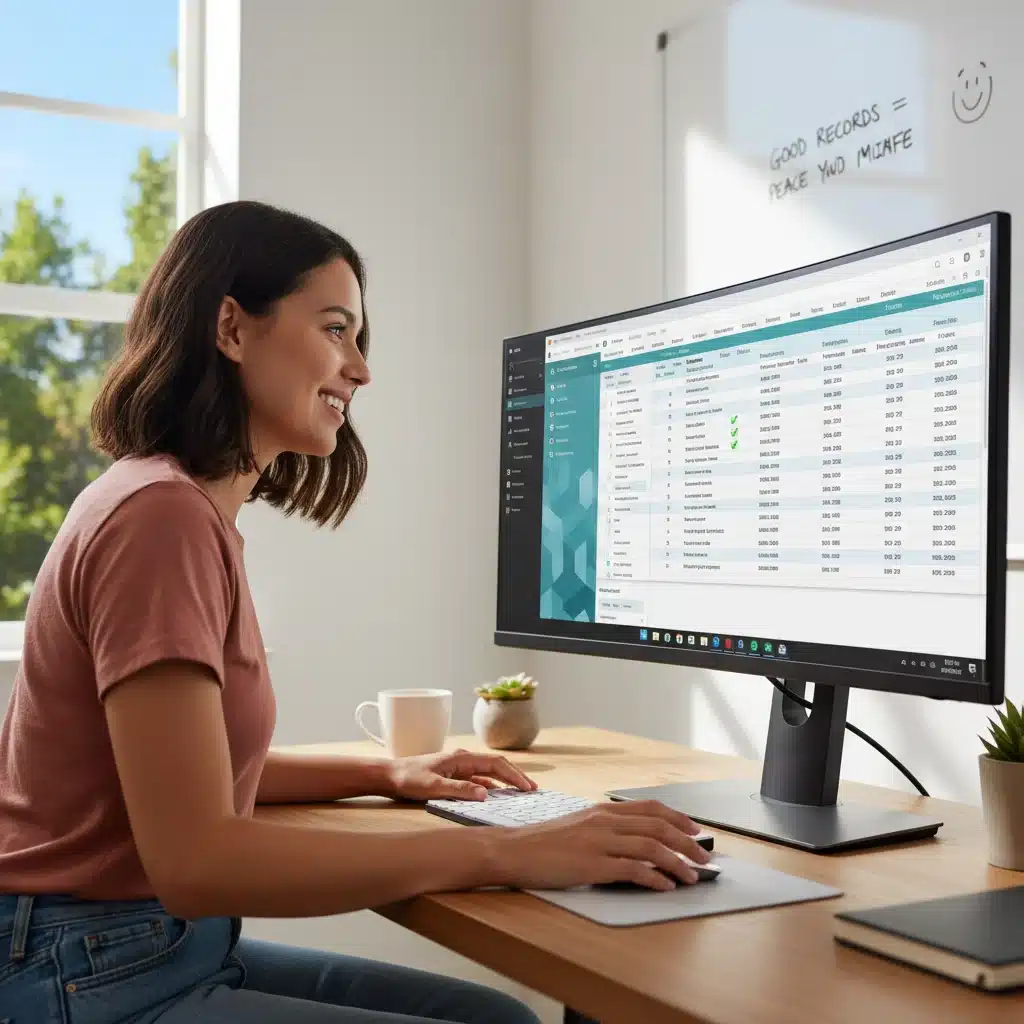
Insider Tip 4: Separate Business and Personal Finances
This tip is simple yet profoundly impactful for effective freelancer tax preparation. Commingling personal and business funds is a common mistake that can lead to significant headaches, both for tax purposes and for managing your business finances.
Why Separation is Key:
- Clarity for Tax Purposes: When your finances are separate, it’s much easier to track business income and expenses. This simplifies the process of calculating your taxable income and identifying all eligible deductions, especially for Q2 2026 tax preparation.
- Simplified Record-Keeping: A dedicated business account means every transaction in that account is business-related. This drastically reduces the time spent sifting through personal transactions to find business ones.
- Professionalism: Having a separate business account and using business credit cards presents a more professional image to clients and suppliers.
- Audit Protection: In the event of an IRS audit, having distinct business accounts provides a clear and undeniable record of your business activities, making it much easier to defend your deductions.
- Easier Financial Analysis: Separated finances allow you to accurately assess the financial health of your business, identify trends, and make informed decisions.
How to Implement:
If you haven’t already, open a separate business checking account and, if possible, a business credit card. Route all business income into this account and pay all business expenses from it. This simple step will streamline your financial life and make freelancer tax preparation considerably smoother.
Insider Tip 5: Consider Professional Guidance or Tax Software
While this article provides valuable insights, the world of taxes can be complex and ever-changing. For many freelancers, especially as their income grows or their business structure becomes more intricate, professional guidance becomes an invaluable asset for optimal freelancer tax preparation.
Benefits of a Tax Professional:
- Expert Knowledge: Tax laws are complex. A qualified CPA or enrolled agent stays up-to-date on all changes and can identify deductions and credits you might miss. They can also provide advice on business structures that could offer tax advantages.
- Penalty Avoidance: Professionals can help ensure your estimated tax payments are accurate, reducing the risk of underpayment penalties. They understand the nuances of Q2 2026 tax preparation and subsequent quarters.
- Time Savings: Outsourcing your tax preparation frees up your valuable time, allowing you to focus on your core business activities.
- Audit Support: If you ever face an audit, a tax professional can represent you and handle communications with the IRS, providing peace of mind.
- Strategic Planning: Beyond just filing, a good tax advisor can help you with long-term tax planning, advising on retirement contributions, asset purchases, and other financial strategies.
When to Use Tax Software:
For those with simpler tax situations or who are comfortable navigating tax forms, specialized tax software (e.g., TurboTax Self-Employed, H&R Block Premium) can be a cost-effective alternative. These programs often guide you through the process, help identify deductions, and automatically calculate your estimated taxes. However, they require you to input accurate data and have a basic understanding of your financial situation.
Whether you choose a professional or software, investing in expert assistance or reliable tools is a wise decision for ensuring accurate and optimized freelancer tax preparation.
Additional Considerations for Q2 2026 Tax Preparation
State and Local Taxes
Don’t forget about state and local tax obligations. Many states have their own income tax, and some localities have their own business taxes. These may also require estimated payments. Research your specific state and local requirements to ensure full compliance.
Sales Tax for Products and Services
If you sell products or certain services, you might be responsible for collecting and remitting sales tax. This varies significantly by state and even by specific product/service. Ensure you understand your obligations in this area to avoid penalties.
Understanding Your Business Structure
Your business structure (sole proprietor, LLC, S-Corp, etc.) impacts how you file taxes. While most freelancers start as sole proprietors, evolving your structure could offer tax advantages as your business grows. Discussing this with a tax professional can be highly beneficial for long-term freelancer tax preparation strategy.
Future Planning: Setting Aside Tax Money
A crucial habit for any freelancer is to set aside a portion of every payment for taxes. A common recommendation is to put aside 25-35% of your income into a separate savings account dedicated solely to taxes. This ensures you have the funds available when estimated tax payments are due, preventing financial strain and making Q2 2026 tax preparation and subsequent quarters stress-free.
Conclusion: Empowering Your Freelancer Tax Preparation
Freelancer tax preparation doesn’t have to be a source of anxiety. By understanding your obligations, implementing robust record-keeping, maximizing your deductions, separating your finances, and seeking professional guidance when needed, you can approach Q2 2026 and every subsequent tax period with confidence.
These five insider tips – mastering estimated tax payments, implementing robust record-keeping, maximizing deductions and credits, separating business and personal finances, and considering professional guidance – form a powerful framework for financial success. Take control of your taxes, stay compliant, and empower your freelance journey.
Remember, proactive planning is your best defense against penalties and your greatest asset for financial growth. Start applying these tips today and make your Q2 2026 tax preparation a testament to your professionalism and foresight.