
Understanding the New Health Insurance Marketplace Options for Freelancers in 2026: A Cost-Benefit Analysis
The world of work is rapidly evolving, with an increasing number of professionals choosing the flexible and independent path of freelancing. While this lifestyle offers unparalleled freedom, it also comes with unique challenges, particularly when it comes to securing essential benefits like health insurance. For freelancers, access to affordable and comprehensive health coverage has always been a significant concern, often a complex puzzle to solve outside the traditional employer-sponsored model. As we approach 2026, the health insurance marketplace continues to adapt, presenting both new opportunities and potential complexities for the self-employed.
This comprehensive guide aims to demystify the new health insurance marketplace options for freelancers in 2026. We’ll delve into the latest changes, explore the various avenues available for securing coverage, and provide a thorough cost-benefit analysis to help you make informed decisions. Our goal is to empower you with the knowledge and tools necessary to navigate this crucial aspect of your freelance career, ensuring you and your loved ones have the protection you need without compromising your financial well-being. Understanding your options for freelancer health insurance is not just about compliance; it’s about peace of mind and long-term stability.
Anúncios
The Evolving Landscape of Freelancer Health Insurance in 2026
The health insurance landscape is rarely static, and 2026 is poised to introduce several adjustments that will impact how freelancers access and afford coverage. These changes can stem from legislative updates, shifts in economic conditions, or evolving healthcare provider models. For the self-employed, staying informed about these developments is paramount to making optimal choices for their freelancer health insurance needs.
Historically, freelancers have often faced higher premiums, fewer choices, and less comprehensive coverage compared to their traditionally employed counterparts. The Affordable Care Act (ACA) marketplaces, also known as exchanges, significantly improved access for many, offering subsidized plans based on income. However, the nuances of these marketplaces, including plan availability, network restrictions, and subsidy calculations, can be challenging to navigate.
Anúncios
In 2026, we anticipate continued efforts to stabilize and potentially enhance the ACA marketplaces. This could include further adjustments to subsidy eligibility, expanded plan offerings in certain regions, and perhaps new regulations aimed at increasing transparency or reducing out-of-pocket costs. Understanding these potential shifts is the first step in crafting a robust freelancer health insurance strategy.
Another area of potential evolution is the rise of alternative insurance models and platforms specifically targeting the gig economy and freelance workforce. These might include association health plans, health sharing ministries, or innovative direct-to-consumer insurance products. While some of these alternatives offer attractive price points, it’s crucial for freelancers to exercise due diligence, understanding their regulatory status, coverage limitations, and financial implications before committing. The goal is always to find reliable and comprehensive freelancer health insurance.
Key Avenues for Freelancer Health Insurance Coverage in 2026
As a freelancer in 2026, you’ll generally have several primary avenues to explore for your health insurance needs. Each comes with its own set of advantages, disadvantages, and eligibility requirements. A thorough understanding of these options is critical for making an informed decision about your freelancer health insurance.
1. The Health Insurance Marketplace (ACA Exchange)
For many freelancers, the federal or state-based health insurance marketplaces remain the most viable option. These platforms allow individuals to compare and enroll in health plans that comply with the ACA’s consumer protections. Key features of the marketplace include:
- Subsidies: Many freelancers qualify for premium tax credits (subsidies) that significantly reduce the monthly cost of insurance. Eligibility is based on your household income relative to the federal poverty level. In 2026, it’s important to monitor any updates to income thresholds or subsidy formulas that could impact your out-of-pocket costs. These subsidies are a game-changer for affordable freelancer health insurance.
- Cost-Sharing Reductions (CSRs): If your income is below a certain level, you may also qualify for CSRs, which lower your deductibles, co-payments, and out-of-pocket maximums. These are only available with Silver-level plans.
- Essential Health Benefits: All plans offered on the marketplace must cover ten essential health benefits, including prescription drugs, mental health services, maternity care, and preventive services. This ensures a baseline level of comprehensive coverage for your freelancer health insurance.
- Open Enrollment Period: Typically, you can only enroll or change plans during the annual open enrollment period (usually in the fall). However, qualifying life events (like moving, marriage, or loss of other coverage) can trigger a Special Enrollment Period.
2. Direct from Insurers (Off-Exchange Plans)
You can also purchase health insurance directly from an insurance company outside of the marketplace. These plans are still ACA-compliant, meaning they cover essential health benefits and cannot deny coverage based on pre-existing conditions. However, a crucial distinction is that federal subsidies (premium tax credits and CSRs) are generally not available for off-exchange plans. This means that while direct plans might offer a wider selection of carriers or specific plan designs not found on the exchange, they are often more expensive for those who qualify for subsidies. Always compare these options carefully with marketplace plans for your freelancer health insurance.
3. Professional Organizations and Associations
Some professional organizations, trade associations, or freelancer unions offer group health insurance plans to their members. These plans can sometimes provide more competitive rates or unique benefits compared to individual plans, leveraging the collective bargaining power of the group. However, eligibility often requires membership and may vary widely. It’s worth exploring if any associations relevant to your freelance niche offer such benefits as part of their membership package for freelancer health insurance.
4. Health Sharing Ministries
Health sharing ministries are not insurance but rather organizations where members agree to share healthcare costs based on religious or ethical beliefs. While they can offer lower monthly contributions, they come with significant caveats:
- They are not regulated as insurance and are not required to cover essential health benefits or pre-existing conditions.
- There is no guarantee that medical bills will be paid.
- They may not provide the same consumer protections as traditional insurance.
Freelancers considering health sharing ministries should thoroughly research their specific rules, limitations, and financial viability before relying on them for their primary freelancer health insurance. They are generally not recommended as a direct substitute for comprehensive insurance.
5. Short-Term, Limited-Duration (STLD) Plans
STLD plans are designed to provide temporary coverage for a limited period, typically less than 12 months, and are not ACA-compliant. They do not cover essential health benefits, can deny coverage based on pre-existing conditions, and have annual and lifetime limits on benefits. While they offer low premiums, they are generally not suitable as a long-term solution for freelancer health insurance and should only be considered as a bridge during specific transitional periods.
Cost-Benefit Analysis: Making the Right Choice for Your Freelancer Health Insurance
Choosing the right freelancer health insurance plan involves more than just looking at the monthly premium. A comprehensive cost-benefit analysis requires evaluating various factors to ensure the plan truly meets your healthcare needs and financial situation. Here’s how to approach it:
Understanding Plan Types and Their Implications
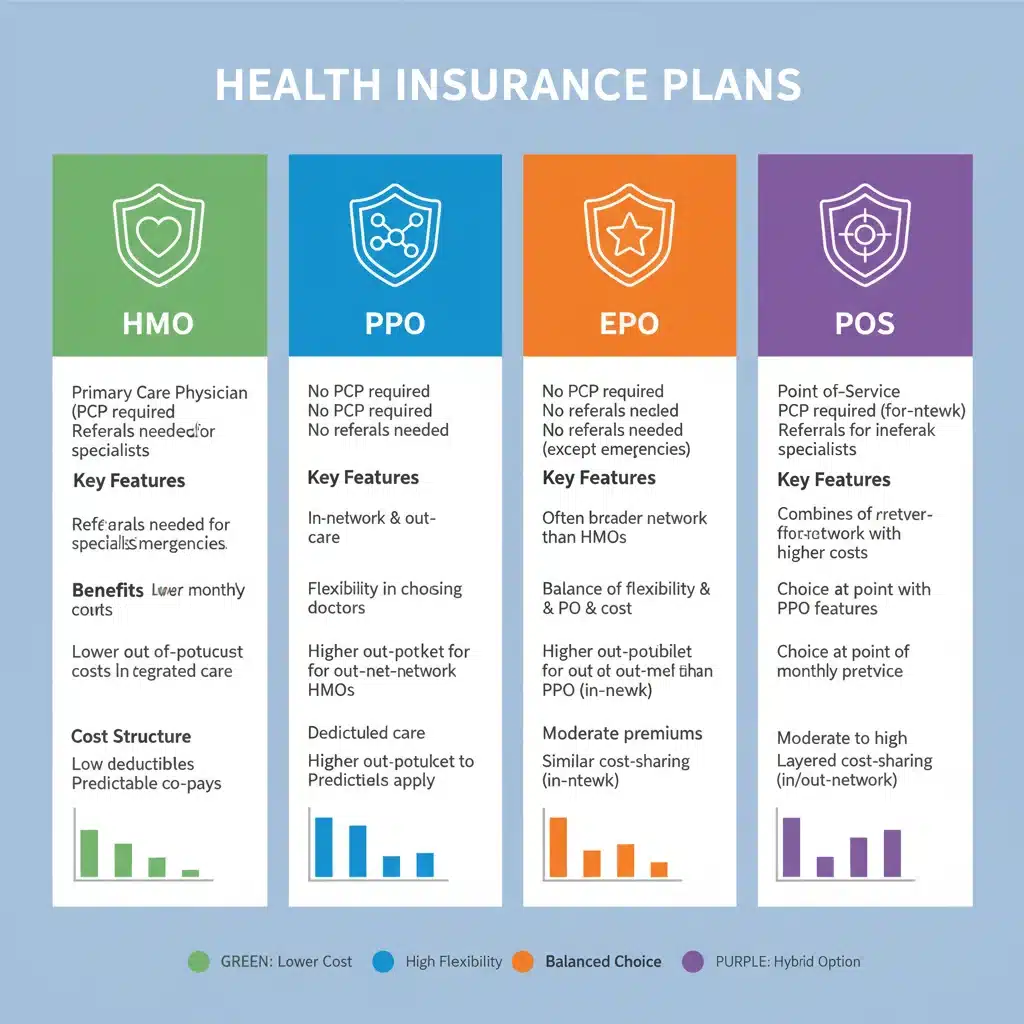
Health plans come in various structures, each with different cost-sharing mechanisms and network restrictions. Familiarizing yourself with these types is crucial for your freelancer health insurance decision:
- HMO (Health Maintenance Organization): Generally lower premiums, require you to choose a primary care physician (PCP) who coordinates all your care and provides referrals to specialists. Limited network of providers.
- PPO (Preferred Provider Organization): Higher premiums but offer more flexibility. You don’t need a referral to see a specialist and can see out-of-network providers (though at a higher cost).
- EPO (Exclusive Provider Organization): A hybrid of HMO and PPO. You don’t need a referral, but you must stay within the plan’s network for covered services (except in emergencies).
- POS (Point of Service): Similar to HMOs in that you choose a PCP and need referrals, but also allows you to go out-of-network for a higher cost.
- HDHP (High-Deductible Health Plan) with HSA (Health Savings Account): These plans have higher deductibles but lower premiums. Paired with an HSA, they allow you to save pre-tax money for healthcare expenses, which can grow tax-free and be withdrawn tax-free for qualified medical costs. An excellent option for healthy individuals seeking tax advantages with their freelancer health insurance.
Key Cost Factors to Evaluate
When comparing freelancer health insurance plans, look beyond just the monthly premium:
- Premiums: The monthly amount you pay for coverage. Remember to factor in any potential subsidies from the marketplace.
- Deductible: The amount you must pay out-of-pocket for covered medical services before your insurance plan starts to pay. Higher deductibles usually mean lower premiums.
- Copayments (Copays): A fixed amount you pay for a covered healthcare service after you’ve paid your deductible.
- Coinsurance: Your share of the cost of a covered healthcare service, calculated as a percentage (e.g., 20%) of the allowed amount for the service, after you’ve met your deductible.
- Out-of-Pocket Maximum: The most you’ll have to pay for covered services in a plan year. Once you reach this limit, your health plan pays 100% of the costs of covered benefits. This is a critical protection for freelancer health insurance.
- Prescription Drug Costs: Check the plan’s formulary (list of covered drugs) and tiered pricing for medications you regularly take.
- Network: Ensure your preferred doctors, specialists, and hospitals are in the plan’s network. Out-of-network care can be significantly more expensive or not covered at all.
Benefit Analysis: What Does the Plan Actually Cover?
Beyond the costs, scrutinize the benefits offered. While ACA-compliant plans cover essential health benefits, the specifics can vary:
- Specific Services: Do you need extensive mental health coverage, physical therapy, or maternity care? Ensure the plan’s benefits align with your anticipated needs.
- Preventive Care: Most plans cover a wide range of preventive services at no cost, but it’s good to confirm.
- Travel Coverage: If you travel frequently for work or leisure, understand how your freelancer health insurance plan covers emergencies outside your home area or state.
- Telehealth Services: Many plans now offer robust telehealth options, which can be convenient for freelancers.
Calculating Your Total Potential Annual Healthcare Costs
To perform a true cost-benefit analysis, estimate your total annual healthcare expenses. Consider:
- Monthly Premiums x 12
- Estimated Doctor Visits/Specialist Visits: (Number of visits) x (Copay or Coinsurance)
- Estimated Prescription Costs: Based on your medications.
- Potential for Major Medical Events: While unpredictable, understanding your deductible and out-of-pocket maximum helps you prepare for worst-case scenarios.
Compare these estimated totals across different plans. A plan with a higher premium but lower deductible and out-of-pocket maximum might be cheaper in a year with significant medical expenses. Conversely, a healthy individual might save money with a lower-premium, high-deductible plan, especially if paired with an HSA for their freelancer health insurance.
Strategies for Affordable Freelancer Health Insurance in 2026
Securing affordable freelancer health insurance requires proactive planning and a strategic approach. Here are some key strategies to consider for 2026:
Maximize Marketplace Subsidies
The premium tax credits available through the ACA marketplace are often the most significant factor in making health insurance affordable for freelancers. Ensure you accurately estimate your annual income when applying, as this directly impacts your subsidy eligibility. Report any significant changes in income throughout the year to avoid issues at tax time. Even if you think your income is too high, it’s always worth checking, as income thresholds for subsidies can change, and the calculation considers household size.
Consider High-Deductible Health Plans (HDHPs) with HSAs
For relatively healthy freelancers, an HDHP paired with an HSA can be a powerful combination. The lower premiums of HDHPs reduce your monthly out-of-pocket costs, while the HSA provides a tax-advantaged way to save for future medical expenses. Contributions to an HSA are tax-deductible, the money grows tax-free, and withdrawals for qualified medical expenses are tax-free. This triple-tax advantage makes HSAs an excellent long-term savings vehicle for healthcare, especially for freelancer health insurance.
Explore Group Options Through Associations
As mentioned, some professional organizations or freelancer collectives offer group health plans. Investigate whether any associations relevant to your industry provide this benefit. These plans can sometimes offer better rates or more comprehensive coverage than individual plans due to the larger risk pool. Networking with other freelancers can also help uncover such opportunities for freelancer health insurance.
Utilize Preventive Care
All ACA-compliant plans cover a range of preventive services (like annual physicals, screenings, and immunizations) at no additional cost. Taking advantage of these services can help detect potential health issues early, preventing more serious and costly conditions down the line. Regular preventive care is a cornerstone of effective freelancer health insurance usage.
Budget for Out-of-Pocket Expenses
Even with insurance, you’ll likely have out-of-pocket costs like deductibles, copays, and coinsurance. As a freelancer, it’s wise to budget for these expenses, perhaps by setting aside funds in a dedicated savings account or your HSA. Having an emergency fund specifically for healthcare can prevent unexpected medical bills from derailing your finances. This foresight is crucial when managing your freelancer health insurance.
Seek Expert Guidance
Navigating the health insurance marketplace can be complex. Don’t hesitate to seek assistance from certified navigators or licensed insurance brokers. These professionals can help you understand your options, compare plans, calculate subsidies, and enroll in coverage, often at no direct cost to you. Their expertise can be invaluable in finding the best freelancer health insurance plan.

Common Pitfalls and How to Avoid Them
While the options for freelancer health insurance are improving, there are still common mistakes freelancers make that can lead to inadequate coverage or financial strain. Being aware of these can help you avoid them:
- Underestimating Healthcare Needs: Choosing the cheapest plan without considering potential medical needs. A low premium plan might have a very high deductible, leaving you vulnerable in case of a serious illness or accident. Always balance premium with potential out-of-pocket costs.
- Ignoring the Network: Not checking if your preferred doctors, specialists, or hospitals are in a plan’s network before enrolling. Out-of-network care can be very expensive or not covered at all, leading to surprise bills.
- Missing Open Enrollment: Failing to enroll or renew during the annual open enrollment period can leave you without coverage or force you into less desirable, non-ACA compliant options like short-term plans. Mark your calendar!
- Miscalculating Income for Subsidies: Providing an inaccurate income estimate on the marketplace application can lead to either receiving too few subsidies (and paying more out of pocket) or receiving too many (and owing money back at tax time). Be as accurate as possible and update your income if it changes significantly.
- Falling for Non-ACA Compliant Plans: Being enticed by very low premiums from short-term plans or health sharing ministries without fully understanding their limitations and lack of consumer protections. These are generally not comprehensive solutions for freelancer health insurance.
- Not Understanding the ‘Metal Levels’: Bronze, Silver, Gold, and Platinum plans offer different levels of cost-sharing. Bronze plans have the lowest premiums but highest out-of-pocket costs, while Platinum plans have the highest premiums but lowest out-of-pocket costs. Silver plans are the only ones eligible for Cost-Sharing Reductions. Understand what each level means for your financial exposure.
- Forgetting About Dental and Vision: Many health insurance plans do not include dental or vision coverage. Freelancers often need to purchase separate standalone plans for these benefits, which are crucial for overall health.
The Future of Freelancer Health Insurance: What to Watch For Beyond 2026
The landscape of freelancer health insurance is continuously evolving. Beyond 2026, several trends and policy discussions could further shape the options available to the self-employed:
- Expansion of Gig Worker Benefits: As the gig economy grows, there’s increasing discussion around how to provide more standardized benefits, including health insurance, to independent contractors. This could lead to new legislative frameworks or innovative platform-based solutions.
- Technological Advancements: Telemedicine and digital health platforms are becoming more integrated into insurance plans. These technologies can offer convenience and potentially reduce costs for routine care, a significant benefit for freelancers with flexible schedules.
- State-Level Innovations: Some states are exploring their own universal healthcare options or public insurance options that could provide additional pathways for freelancers to obtain coverage.
- Focus on Mental Health: There’s a growing recognition of the importance of mental health services. Future plans may offer even more robust mental health benefits, which is crucial for the often-stressful freelance lifestyle.
- Personalized Health Plans: The trend towards more personalized healthcare could extend to insurance, with plans tailored more specifically to individual health needs and lifestyles, potentially offering more flexible and cost-effective freelancer health insurance.
Staying abreast of these potential developments will be key for freelancers to adapt their health insurance strategies in the years to come. Advocacy for policies that support the self-employed in accessing affordable healthcare will also remain critical.
Conclusion: Empowering Your Freelance Journey with Robust Health Coverage
Navigating the new health insurance marketplace options for freelancers in 2026 can seem daunting, but with the right information and a strategic approach, it’s entirely manageable. The key is to be proactive, understand all available avenues, and conduct a thorough cost-benefit analysis tailored to your unique health needs and financial situation. Remember that freelancer health insurance is not a one-size-fits-all solution; what works for one freelancer may not be ideal for another.
By leveraging the ACA marketplace, exploring professional association plans, understanding the nuances of different plan types, and maximizing any available subsidies, you can secure robust and affordable health coverage. Don’t underestimate the value of preventive care and budgeting for out-of-pocket expenses to protect your financial health. Ultimately, investing in comprehensive freelancer health insurance is an investment in your well-being, your productivity, and the long-term sustainability of your freelance career. Stay informed, ask questions, and choose wisely to empower your journey as an independent professional.