Digital Nomad Challenges US 2026: Overcoming Unexpected Hurdles
Anúncios
The allure of the digital nomad lifestyle continues to captivate professionals worldwide. The freedom to work from anywhere, explore new cultures, and design a life that truly aligns with personal values is a powerful draw. The United States, with its diverse landscapes, innovative spirit, and vast opportunities, often appears as a prime destination for these location-independent workers. However, as the digital nomad movement matures and global dynamics shift, particularly within highly regulated economies like the US, the path forward is not always as straightforward as it seems. By mid-2026, digital nomads eyeing or residing in the US will encounter a unique set of challenges that are both unexpected and complex. This insider report aims to shed light on these five critical hurdles and, more importantly, provide actionable strategies to navigate and overcome them, ensuring a sustainable and successful digital nomad experience in the US.
Anúncios
The Evolving Landscape for Digital Nomads in the US
The United States has historically been a land of opportunity, but its intricate legal, economic, and social frameworks present distinct challenges for those seeking to blend work and travel. Unlike countries with specific digital nomad visas or more flexible immigration policies, the US operates under a more rigid system that wasn’t designed with the modern digital nomad in mind. As we approach mid-2026, several factors converge to create a more complex environment. Increased scrutiny on remote workers, evolving tax laws, a highly competitive housing market, and the persistent complexities of healthcare and community integration are all contributing to a landscape that requires meticulous planning and adaptability. Understanding these digital nomad challenges US is the first step towards conquering them.
Challenge 1: Navigating the Murky Waters of US Visa and Immigration Policies
One of the most significant and often unexpected hurdles for international digital nomads in the US is the lack of a dedicated digital nomad visa. Many individuals operate under tourist visas (B-1/B-2), which explicitly prohibit gainful employment within the US. While remote work for an employer outside the US might seem like a loophole, the lines are increasingly blurred, and enforcement is becoming stricter. By mid-2026, expect heightened scrutiny from immigration authorities, potentially leading to denied entry or even visa revocation for those perceived to be working illegally. The definition of ‘working’ while on a tourist visa can be ambiguous. Is answering emails for a few hours considered work? What about client calls? These questions pose a significant risk.
Why This is Unexpected:
Many digital nomads assume that as long as their income is sourced internationally, they are fine. However, US immigration law focuses on the *activity* performed within the US, not just the source of income. The lack of a clear, standardized policy for remote workers means that interpretation can vary, leading to uncertainty and potential legal complications.
Anúncios
How to Overcome It:
- Explore Legitimate Visa Options: For longer stays, consider an O-1 visa for individuals with extraordinary ability, an E-2 investor visa (if applicable), or even an H-1B (though highly competitive and employer-sponsored). These are not ideal for all, but understanding your options is crucial.
- Seek Legal Counsel: Before entering the US with the intent to work remotely, consult with an immigration attorney specializing in business and remote work. They can provide personalized advice based on your specific situation, income source, and duration of stay.
- Minimize Work Activities on Tourist Visas: If you must enter on a tourist visa, strictly limit any work-related activities. Focus on tourism and personal development. If possible, schedule work-intensive periods outside the US.
- Advocate for Change: Support organizations and initiatives lobbying for a specific US digital nomad visa. Collective action can eventually lead to policy reform.
- Consider Border Hopping Alternatives: Some nomads choose to stay for shorter periods, exiting and re-entering the country, though this strategy carries its own risks and is not a long-term solution.
Challenge 2: The Labyrinth of US Healthcare and Insurance
Healthcare in the United States is notoriously complex and expensive, a reality that often blindsides international digital nomads. Unlike many countries with universal healthcare systems or more affordable private insurance options, obtaining comprehensive and affordable health insurance in the US can be a daunting task. By mid-2026, with rising healthcare costs and potential shifts in insurance regulations, this challenge is expected to intensify. A single medical emergency can lead to exorbitant bills, potentially bankrupting an uninsured or underinsured individual.
Why This is Unexpected:
Many digital nomads come from countries where healthcare is a given, or where travel insurance covers most eventualities. They might underestimate the sheer cost and complexity of the US system, assuming their existing travel insurance will suffice for extended stays or more serious medical needs. Travel insurance often has limitations on pre-existing conditions, duration of stay, and the types of treatments covered.
How to Overcome It:
- Research International Health Insurance: Investigate plans specifically designed for expatriates and digital nomads that offer coverage within the US. Companies like SafetyWing, World Nomads, and Cigna Global are popular choices, but thoroughly compare their US coverage limits and exclusions.
- Understand the Affordable Care Act (ACA): If you plan a longer stay and meet certain residency requirements, you might be eligible for plans through the ACA marketplace. This could provide more comprehensive coverage, though subsidies are income-dependent.
- Consider High-Deductible Plans with HSAs: For healthier individuals, a high-deductible health plan (HDHP) combined with a Health Savings Account (HSA) can be a cost-effective option, allowing you to save for medical expenses tax-free.
- Emergency Fund: Always maintain a robust emergency fund specifically for unexpected medical costs, even if you have insurance.
- Telemedicine Options: Explore telemedicine services for non-emergency consultations, which can be significantly cheaper than in-person doctor visits and can help manage minor health issues before they escalate.
Challenge 3: Unraveling US Tax Obligations for Remote Earners
Taxation is another significant and often misunderstood area for digital nomads in the US. The US tax system is unique in that it taxes its citizens and permanent residents on their worldwide income, regardless of where they live. For non-residents, the rules become even more intricate, depending on their visa status, physical presence in the US, and the source of their income. By mid-2026, as tax authorities become more adept at tracking international income and remote work arrangements, the risk of non-compliance and subsequent penalties will increase. These digital nomad challenges US tax laws are a major headache.

Why This is Unexpected:
Many international digital nomads are accustomed to tax systems based purely on residency. The idea of being subject to US taxes while working for a foreign company, especially if they are not a US citizen or green card holder, can be a complete surprise. The complexity of determining tax residency, understanding treaties, and filing correctly can be overwhelming.
How to Overcome It:
- Consult a US Tax Professional: This is non-negotiable. Find an accountant or tax lawyer specializing in international taxation and remote workers. They can help determine your tax residency status, explain your obligations, and ensure proper filing.
- Understand Dual Residency and Tax Treaties: If you are considered a tax resident in another country and the US, tax treaties might prevent double taxation. A tax professional can help you navigate these complex agreements.
- Track Your Physical Presence: Meticulously record your entry and exit dates from the US. The Substantial Presence Test is a key factor in determining US tax residency for non-citizens.
- Separate Business and Personal Finances: Maintain clear records of all income and expenses. This is vital for accurate tax reporting and for demonstrating the legitimacy of your remote work.
- Educate Yourself: While professional help is essential, having a basic understanding of US tax principles, such as the difference between US-sourced and foreign-sourced income, will empower you to ask the right questions and understand the advice you receive.
Challenge 4: The Ever-Rising Cost of Living and Housing Affordability
The United States is known for its high cost of living, particularly in desirable urban centers and popular digital nomad hubs. Housing, especially, can be a significant drain on a remote worker’s budget. By mid-2026, with inflation, a persistent housing shortage, and increasing demand for flexible living arrangements, housing affordability is expected to become an even more acute problem. Finding short-term, affordable, and suitable accommodation that allows for productive work can be a constant battle, leading to financial stress and reduced quality of life. These digital nomad challenges US living costs are often underestimated.
Why This is Unexpected:
Digital nomads often envision picturesque, affordable living in vibrant cities. However, the reality of US housing markets, particularly in tech hubs or popular tourist destinations, can be a rude awakening. Rental prices, security deposits, utility costs, and the general expense of daily life can quickly deplete savings, especially for those earning foreign currency that might not have as strong purchasing power.
How to Overcome It:
- Explore Secondary Cities and Rural Areas: Instead of focusing solely on major metropolitan areas, research smaller cities, towns, or even rural areas that offer a lower cost of living, good internet infrastructure, and a growing remote work community.
- Utilize Co-living Spaces: Co-living arrangements can be a cost-effective solution, often including utilities and amenities, and providing a built-in community. Platforms like Common, Outpost Club, and local co-living options are worth exploring.
- Negotiate Short-Term Leases or Sublets: Look for apartments or rooms being sublet for shorter durations. Websites like Airbnb (for longer stays), Furnished Finder, and local Facebook groups can be good resources. Be wary of scams.
- Budget Meticulously: Create a detailed budget that accounts for all expenses, including rent, utilities, food, transportation, and unexpected costs. Be realistic about what you can afford in different regions of the US.
- Consider House Sitting or Pet Sitting: For adventurous nomads, house sitting or pet sitting can offer free accommodation in exchange for caring for a home and pets. Websites like TrustedHousesitters are popular.
- Leverage Geo-Arbitrage: If your income is in a stronger currency or from a high-paying market, strategically choosing locations within the US where your money goes further can significantly improve your financial stability.
Challenge 5: Building Community and Battling Isolation
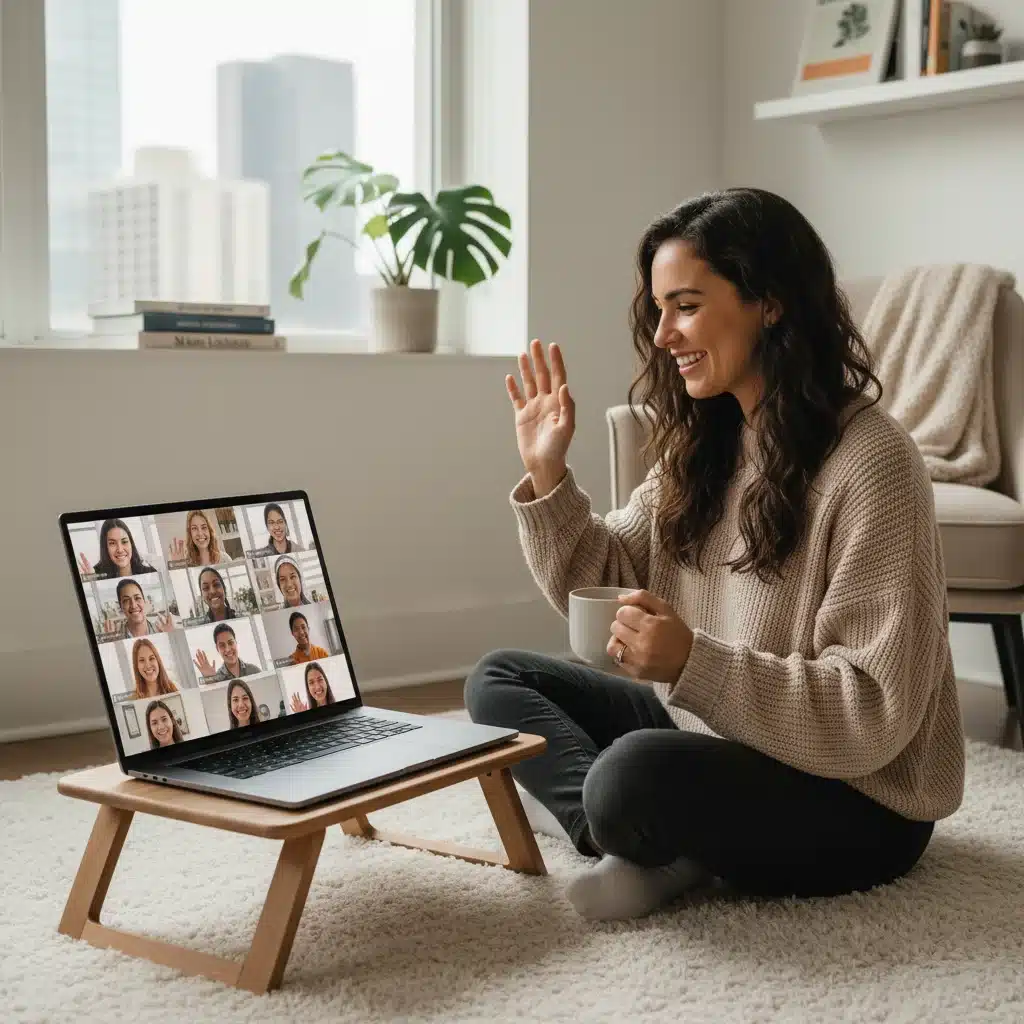
While the freedom of the digital nomad lifestyle is liberating, it can also be isolating. Building a strong community and social network is crucial for mental well-being and professional growth. In the US, where social structures can be more atomized and transient, especially in large cities, forming deep connections can be an unexpected challenge. By mid-2026, with an increasing number of remote workers, the need for intentional community building will be even more pronounced, as competition for social circles and meaningful interactions might intensify. Overcoming these digital nomad challenges US community aspects is vital.
How to Overcome It:
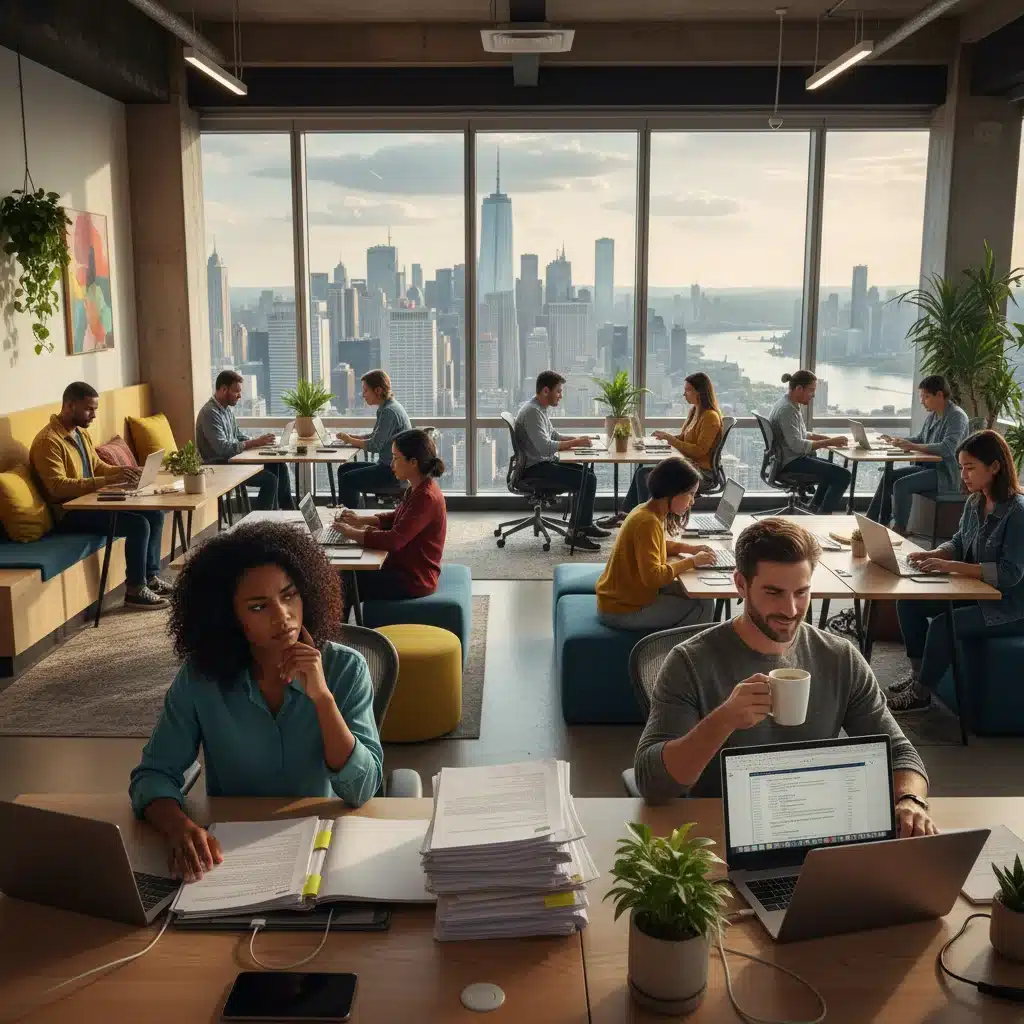
- Actively Seek Out Co-working Spaces: These environments are specifically designed for remote workers and offer ample opportunities for networking, collaboration, and social interaction. Many host regular events and workshops.
- Join Local Meetup Groups: Platforms like Meetup.com are excellent for finding groups based on shared interests, hobbies, or professional fields. Look for digital nomad-specific groups or those related to your passions.
- Engage in Online Digital Nomad Communities: While not a replacement for in-person interaction, online forums, Facebook groups, and Slack channels dedicated to digital nomads can provide support, advice, and opportunities to connect before or during your stay.
- Volunteer: Volunteering for a cause you care about is a fantastic way to meet locals, contribute to the community, and build meaningful relationships outside of a purely professional context.
- Attend Industry Events and Conferences: If your budget allows, participating in conferences related to your field can be a great way to network professionally and meet people with similar career interests.
- Embrace Local Culture and Activities: Don’t just stick to nomad circles. Join local sports leagues, take classes (cooking, language, art), frequent local coffee shops, and participate in community events.
- Be Patient and Proactive: Building genuine connections takes time and effort. Be proactive in reaching out, inviting people for coffee, and following up. Don’t get discouraged if it doesn’t happen overnight.
Beyond the Five: Additional Considerations for US Digital Nomads
While the five challenges outlined above are expected to be the most prominent by mid-2026, digital nomads in the US should also be mindful of other factors:
- Banking and Financial Services: Opening a US bank account as a non-resident can be challenging. Research banks that cater to international clients and understand the requirements for proof of address and identification.
- Driver’s License and Transportation: Navigating public transportation varies greatly by city. If you plan to drive, understand the requirements for obtaining a US driver’s license or using an international driving permit.
- Cultural Nuances: The US is a vast country with diverse regional cultures. Be prepared for differences in communication styles, social norms, and pace of life as you move between states or regions.
- Time Zones: If your clients or team are international, managing significant time zone differences can impact your work schedule and personal life.
- Internet Access and Reliability: While generally good in urban areas, internet quality can vary significantly in more rural or remote locations. Always check connectivity before committing to a location.
The Future of Digital Nomadism in the US
The digital nomad movement is not a fleeting trend; it’s a fundamental shift in how and where people work. As such, governments, including the US, will eventually need to adapt their policies to accommodate this growing workforce. While specific digital nomad visas for the US might still be a few years away, increased pressure from remote workers, businesses, and advocacy groups could lead to more flexible immigration pathways or clearer guidelines for remote work under existing visa categories. The evolution of remote work infrastructure, such as co-living spaces and dedicated digital nomad communities, will also continue to grow, making it easier for individuals to find suitable housing and social connections. However, these changes will likely be gradual, meaning proactive planning and adaptation will remain essential for digital nomads in the US for the foreseeable future. Understanding these digital nomad challenges US is key to future success.
Conclusion: Thriving Amidst the Challenges
The United States offers an undeniable appeal for digital nomads: a vibrant economy, diverse landscapes, and a culture of innovation. However, by mid-2026, the journey for international remote workers in the US will be marked by increasingly complex hurdles related to visa and immigration policies, healthcare, taxation, housing affordability, and community building. These are not insurmountable obstacles, but they do demand foresight, meticulous planning, and a proactive approach. By understanding these unexpected digital nomad challenges US and implementing the strategies outlined in this report – from seeking expert legal and tax advice to actively building community and securing robust insurance – digital nomads can not only navigate the complexities but truly thrive in their US-based remote work adventures. The key is to be informed, adaptable, and prepared for a landscape that is constantly evolving, ensuring your dream of working from anywhere in the US remains a sustainable and rewarding reality.