2026 U.S. Digital Nomad Checklist: Legal Compliance & Safety Abroad

For U.S. digital nomads in 2026, ensuring legal compliance and personal safety abroad requires meticulous planning, including securing appropriate visas, understanding tax obligations, obtaining comprehensive insurance, and preparing for emergencies.
Are you a U.S. citizen dreaming of working remotely from an exotic locale in 2026? The allure of global exploration combined with professional freedom is undeniable, but it comes with significant responsibilities. This comprehensive 2026 Checklist for U.S. Digital Nomads: Ensuring Legal Compliance and Personal Safety While Abroad is your essential guide to navigating international waters with confidence and security.
Understanding visa and residency requirements in 2026
The landscape of international travel and residency for remote workers is constantly evolving. In 2026, many countries have refined or introduced specific digital nomad visas, acknowledging the economic contributions of this demographic. It’s crucial to understand that simply entering on a tourist visa and working remotely is often illegal and can lead to severe penalties, including deportation and future travel bans.
Before you even book your flight, extensive research into your target country’s specific visa requirements is paramount. This includes understanding the application process, required documentation, and the duration of stay permitted under each visa type. The choice between a standard work visa, a digital nomad visa, or even a long-stay tourist visa with specific remote work allowances can significantly impact your legal standing.
Navigating digital nomad visas
Digital nomad visas, designed specifically for remote workers, offer a legal pathway to reside and work in a foreign country for an extended period. These visas typically require proof of stable income, health insurance, and a clean criminal record. Eligibility criteria and application procedures vary widely, so a detailed review of each country’s official immigration website is non-negotiable.
- Income thresholds: Many countries set minimum monthly income requirements to ensure financial self-sufficiency.
- Health insurance: Comprehensive international health insurance is almost universally mandated for digital nomad visa applicants.
- Application processing times: Be prepared for varying processing times, which can range from a few weeks to several months.
- Local registration: Upon arrival, some visas require registration with local authorities within a specified timeframe.
Distinguishing between tourist and work visas
Never assume a tourist visa allows for remote work. While some countries might have a more relaxed approach, the general rule is that a tourist visa is for leisure only. A work visa, on the other hand, is generally tied to a local employer, which doesn’t fit the digital nomad model. Digital nomad visas bridge this gap, offering a specific legal framework.
Failing to secure the correct visa can result in serious legal ramifications. Always prioritize compliance to avoid unnecessary stress and potential legal battles that could jeopardize your remote work journey. Consult with an immigration attorney specializing in digital nomad visas if you have any doubts about the most appropriate visa for your circumstances.
In summary, the cornerstone of legal compliance for U.S. digital nomads in 2026 is a thorough understanding and adherence to the visa and residency requirements of their chosen destination. Proactive research and proper documentation are key.
Tax obligations and financial planning for U.S. citizens abroad
For U.S. digital nomads, understanding and managing tax obligations is one of the most complex aspects of living abroad. The U.S. uniquely taxes its citizens on worldwide income, regardless of where they reside. This means even if you’re earning money while living in another country, you still have reporting responsibilities to the IRS.
Effective financial planning is not just about managing your daily expenses; it’s about navigating complex tax laws, ensuring you meet filing deadlines, and potentially leveraging tax exclusions and credits designed for expatriates. Ignoring these obligations can lead to significant penalties and interest charges.
Key U.S. tax considerations
The Foreign Earned Income Exclusion (FEIE) and the Foreign Tax Credit (FTC) are two primary mechanisms that can help U.S. citizens abroad reduce or eliminate their U.S. tax liability. Understanding which one applies to your situation, or if a combination is beneficial, requires careful consideration.
- Foreign Earned Income Exclusion (FEIE): Allows you to exclude a certain amount of foreign earned income from U.S. taxation if you meet either the Physical Presence Test or the Bona Fide Residence Test.
- Foreign Tax Credit (FTC): Provides a dollar-for-dollar credit against your U.S. tax liability for income taxes paid to a foreign country.
- FBAR and FATCA: U.S. citizens with foreign bank accounts exceeding certain thresholds must report these accounts to the Treasury Department via the FBAR (Foreign Bank Account Report) and potentially FATCA (Foreign Account Tax Compliance Act) forms.
Planning for foreign taxes and dual taxation treaties
Beyond U.S. taxes, you’ll likely be subject to the tax laws of your host country. Many countries have tax treaties with the U.S. designed to prevent dual taxation, where you’re taxed on the same income by both countries. However, these treaties are complex and their application depends on your specific circumstances and the treaty’s provisions.
It is highly advisable to consult with a tax professional specializing in expatriate taxation. They can help you understand your specific obligations, optimize your tax strategy, and ensure compliance with both U.S. and foreign tax laws. Proactive financial planning, including setting aside funds for taxes and potential professional fees, is essential for a stress-free digital nomad experience.
Ultimately, managing your tax obligations as a U.S. digital nomad in 2026 requires diligence and expert advice. Early planning and understanding the nuances of international tax law are crucial for financial stability and compliance.
Comprehensive health and travel insurance essentials
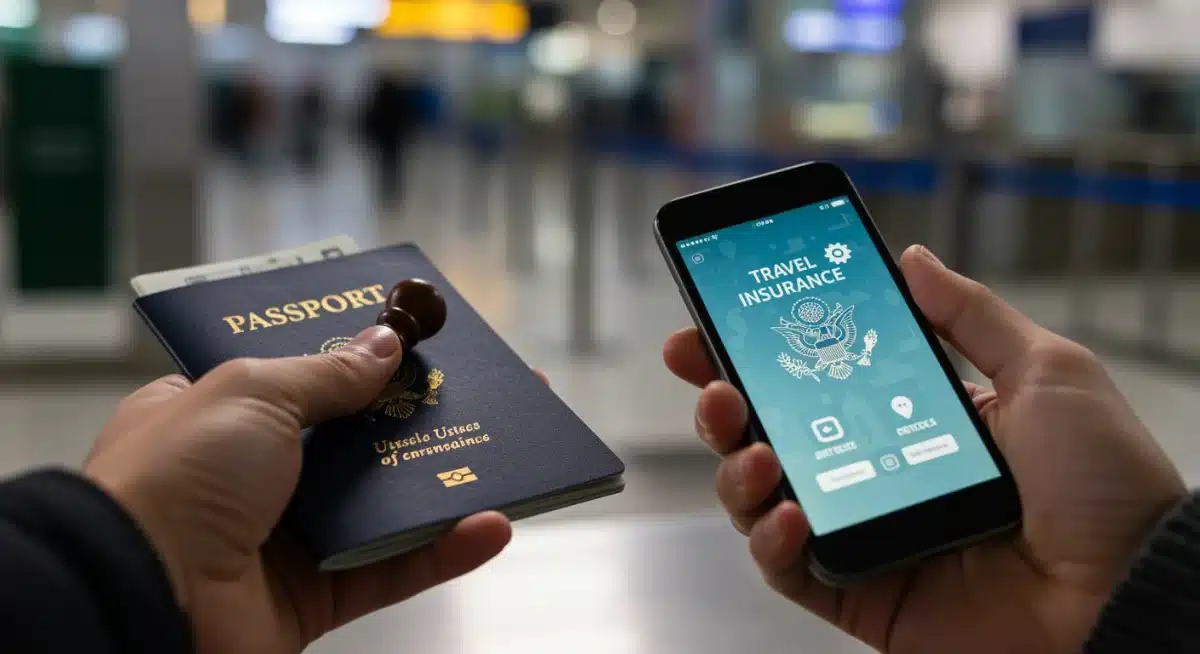
One of the most overlooked yet critical aspects of the 2026 Digital Nomad Checklist is securing comprehensive health and travel insurance. While the freedom of remote work is appealing, medical emergencies and unforeseen travel disruptions can quickly turn a dream into a nightmare without adequate coverage. The U.S. healthcare system does not extend internationally, making local or international insurance indispensable.
Choosing the right insurance plan involves more than just finding the cheapest option. It requires a detailed assessment of your travel plans, health needs, and potential risks. In 2026, the market offers a wide array of specialized policies catering specifically to the unique lifestyle of digital nomads, including coverage for adventure sports, extended stays, and even emergency medical evacuation.
Types of insurance for digital nomads
Understanding the different types of insurance available is the first step toward securing appropriate protection. A combination of policies often provides the most robust coverage.
- International health insurance: This is paramount. It covers medical treatments, hospital stays, and prescription medications in your host country, often including preventative care.
- Travel insurance: Typically covers trip cancellations, lost luggage, travel delays, and emergency medical treatment during short trips. Some policies offer extended coverage for longer stays.
- Evacuation insurance: Specifically covers the cost of medical evacuation to a facility that can provide appropriate care, or even back to your home country in severe cases.
- Liability insurance: Protects you in case you accidentally cause injury or damage to someone else or their property.
Selecting the right policy for your needs
When comparing insurance policies, consider factors beyond just the premium. Look at coverage limits, deductibles, exclusions, and the network of providers. Ensure the policy covers pre-existing conditions if applicable, and includes emergency dental care. Read the fine print carefully, especially regarding geographic coverage and any activities you plan to undertake.
Many digital nomad-specific insurance providers have emerged, offering flexible plans that adapt to your evolving travel schedule. It’s often beneficial to choose a provider with a strong international reputation and 24/7 customer support, as emergencies can happen at any time. Do not underestimate the peace of mind that comes with knowing you are fully protected.
In essence, a robust insurance strategy is non-negotiable for U.S. digital nomads in 2026. It protects your health, your finances, and provides a crucial safety net against the unpredictability of international living.
Personal safety and emergency preparedness abroad
While the romantic notion of a digital nomad lifestyle often highlights freedom and adventure, prioritizing personal safety and preparing for emergencies is paramount. Being a U.S. citizen abroad means understanding local customs, potential risks, and having a clear plan for unexpected situations. This aspect of the 2026 Digital Nomad Checklist is about proactive measures, not reactive panic.
Your personal safety strategy should encompass everything from daily precautions to comprehensive emergency protocols. This includes staying informed about local conditions, securing your digital assets, and knowing who to contact in a crisis. The goal is to minimize risks and ensure you can respond effectively if an emergency arises.
Essential safety precautions
Every destination has its unique safety considerations. Researching local crime rates, common scams, and political stability is a fundamental step. Beyond that, adopting smart daily habits significantly enhances your safety.
- Situational awareness: Always be aware of your surroundings, especially in unfamiliar areas or at night.
- Secure accommodations: Choose reputable lodging with good security features.
- Local customs: Understand and respect local customs and dress codes to avoid unintentional offense or drawing unwanted attention.
- Digital security: Use strong, unique passwords, two-factor authentication, and a reputable VPN to protect your data.
- Emergency contacts: Keep a list of emergency contacts, both local and international, readily accessible.
Developing an emergency action plan
An emergency action plan provides a framework for how you will respond to various crises, from minor incidents to major disasters. This plan should be developed before you depart and shared with trusted contacts back home.
Your plan should include knowing the location of the nearest U.S. embassy or consulate, understanding local emergency services numbers, and having a communication strategy. Consider carrying a small emergency kit with essential first aid supplies, copies of important documents, and a power bank for your devices. Registering with the Smart Traveler Enrollment Program (STEP) is also a critical step, as it allows the U.S. Embassy to locate you in an emergency and provides you with important safety alerts.
In conclusion, a robust personal safety strategy and a well-thought-out emergency preparedness plan are indispensable for any U.S. digital nomad in 2026. These measures not only protect you but also provide peace of mind as you explore the world.
Maintaining U.S. citizenship and voting rights abroad
Many U.S. digital nomads are so focused on their immediate travel and work plans that they overlook the importance of maintaining their connection to the U.S., particularly regarding citizenship and voting rights. While living abroad, it’s easy to feel disconnected, but U.S. citizenship comes with ongoing responsibilities and privileges that require attention.
Understanding how to vote from overseas, renewing your passport, and knowing your rights and resources as a U.S. citizen abroad are vital components of a comprehensive 2026 Digital Nomad Checklist. These actions ensure you maintain your legal status and can exercise your democratic rights, regardless of your physical location.
Voting as a U.S. citizen overseas
The right to vote is a fundamental aspect of U.S. citizenship. Fortunately, mechanisms are in place to allow citizens residing abroad to participate in federal elections. The Federal Voting Assistance Program (FVAP) is an excellent resource for this.
- Federal Post Card Application (FPCA): This form allows you to register to vote, request an absentee ballot, and update your contact information from anywhere in the world.
- State-specific rules: While federal elections are covered, state and local election rules can vary. It’s crucial to check your home state’s election website for specific deadlines and procedures.
- Electronic ballot delivery: Many states offer electronic delivery of ballots, making the process more convenient for overseas voters.
Consular services and passport renewal
Your U.S. passport is your most important identification document abroad. Keeping it valid and knowing how to renew it from a foreign country is essential. U.S. Embassies and Consulates provide a range of services for citizens, not just in emergencies.
Beyond passport renewals, these consular offices can assist with notarials, birth registrations for children born abroad, and even provide guidance during complex legal situations. Familiarize yourself with the location and services of the nearest U.S. Embassy or Consulate in your host country before you need them. Regularly checking the U.S. Department of State website for travel advisories and country-specific information is also a good practice.
In essence, actively maintaining your U.S. citizenship and exercising your voting rights while abroad ensures you remain connected and protected. These steps are crucial for a well-rounded digital nomad experience in 2026.
Ethical considerations and cultural immersion
Beyond the legalities and safety protocols, the 2026 Digital Nomad Checklist must also address the ethical responsibilities and opportunities for cultural immersion that come with living abroad. Being a guest in another country means respecting its culture, contributing positively to its economy, and minimizing your environmental footprint. Digital nomadism isn’t just about personal gain; it’s about responsible global citizenship.
True cultural immersion goes beyond simply visiting tourist sites; it involves engaging with local communities, learning the language, and understanding the societal norms. This enriches your personal experience and fosters positive relationships between visitors and hosts.
Responsible digital nomad practices
As remote workers, digital nomads have a unique opportunity to contribute to local economies and cultures. However, this also comes with the responsibility to do so ethically and sustainably.
- Support local businesses: Prioritize local cafes, restaurants, and shops over international chains to ensure your spending benefits the community directly.
- Language learning: Even basic phrases in the local language can significantly enhance your interactions and demonstrate respect.
- Environmental impact: Be mindful of your consumption, waste, and energy usage. Support eco-friendly initiatives and minimize your carbon footprint.
- Avoid gentrification: Be aware of the impact your presence might have on local housing markets and cost of living. Seek to integrate rather than displace.
Embracing local culture and community
The most rewarding aspects of digital nomadism often come from genuine cultural exchange. Actively seeking opportunities to engage with local people, learn about their traditions, and participate in community events can transform your experience from a temporary stay into a meaningful journey. This might involve volunteering, joining local clubs, or participating in language exchange programs.
Building local connections not only enriches your life but also provides a stronger support network in a foreign land. Understanding the nuances of social etiquette, communication styles, and cultural values can prevent misunderstandings and foster mutual respect. Embrace the opportunity to learn and grow from the diverse perspectives you encounter.
Ultimately, ethical considerations and genuine cultural immersion are vital for a fulfilling and responsible digital nomad experience in 2026. By being respectful, engaged, and mindful, U.S. digital nomads can leave a positive impact wherever they go.
Leveraging technology for seamless remote work and connectivity
In 2026, technology is not merely a tool for digital nomads; it is the backbone of their lifestyle, enabling seamless remote work and maintaining crucial connections regardless of geographical distance. From high-speed internet access to advanced collaborative platforms, leveraging the right technological solutions is fundamental to productivity, communication, and overall well-being. This section of the 2026 Digital Nomad Checklist focuses on ensuring your tech setup is robust and reliable.
The digital nomad landscape in 2026 offers innovative tools and services designed to overcome the challenges of working across time zones and diverse network infrastructures. A well-planned tech strategy minimizes disruptions, enhances efficiency, and keeps you connected to your professional and personal networks.
Essential tech stack for remote work
Your remote work success hinges on a reliable and efficient tech stack. This goes beyond just a laptop; it includes a suite of tools and services that support your workflow and communication needs.
- High-performance laptop and peripherals: Invest in a reliable machine and ergonomic accessories like a portable monitor or keyboard for comfort and productivity.
- Reliable internet connectivity: Research internet providers and coworking spaces in your destination. Consider portable Wi-Fi devices or eSIMs for backup connectivity.
- Cloud-based collaboration tools: Utilize platforms like advanced project management software, secure file-sharing services, and high-quality video conferencing applications.
- Cybersecurity measures: A robust VPN, antivirus software, and regular data backups are non-negotiable for protecting your sensitive information.
Staying connected and productive
Beyond work-specific tools, maintaining personal connections and mental well-being also relies heavily on technology. Effective communication with family and friends, access to entertainment, and digital tools for personal organization are all part of a balanced digital nomad life.
Utilize messaging apps that support international calls, consider a local SIM card or an international eSIM for cost-effective communication, and explore digital wellness apps to manage screen time and maintain focus. The ability to troubleshoot tech issues independently or with remote support is also a valuable skill. Always have contingency plans for power outages or internet disruptions, such as a portable power bank or a list of nearby cafes with reliable Wi-Fi.
In summary, a well-thought-out technological infrastructure is critical for U.S. digital nomads in 2026. By investing in the right tools and strategies, you can ensure a seamless and productive remote work experience, no matter where your adventures take you.
| Key Aspect | Brief Description |
|---|---|
| Visa & Residency | Secure appropriate digital nomad or work visas to ensure legal stay and remote work authorization. |
| Tax Compliance | Understand U.S. worldwide taxation, foreign tax credits, and FBAR/FATCA reporting requirements. |
| Insurance | Obtain comprehensive international health, travel, and emergency evacuation insurance. |
| Safety & Emergency | Develop an emergency plan, register with STEP, and practice situational awareness. |
Frequently asked questions for U.S. digital nomads
Yes, in most cases. A tourist visa typically does not permit any form of work, including remote work for a foreign employer. Many countries now offer specific digital nomad visas designed to legalize your remote work stay. Failing to secure the correct visa can lead to deportation and future travel restrictions, so it’s crucial to comply with local immigration laws.
The U.S. taxes its citizens on worldwide income, regardless of residence. You’ll still need to file a U.S. tax return. However, you may qualify for the Foreign Earned Income Exclusion (FEIE) or the Foreign Tax Credit (FTC) to reduce or eliminate your U.S. tax liability. Consulting an expatriate tax specialist is highly recommended for proper compliance.
Comprehensive international health insurance is critical, as your U.S. health plan likely won’t cover you abroad. Additionally, travel insurance is advisable for trip interruptions, lost luggage, and emergency medical incidents. Consider evacuation insurance for severe medical emergencies. Research providers specializing in digital nomad coverage for flexible and robust options.
Prioritize situational awareness, research local risks, and secure your accommodations. Develop an emergency plan, including local emergency numbers and the nearest U.S. Embassy/Consulate contact. Register with the Smart Traveler Enrollment Program (STEP) to receive alerts and allow the U.S. government to assist you in a crisis. Always share your itinerary with trusted contacts.
Yes, U.S. citizens abroad retain their right to vote in federal elections. You can register and request an absentee ballot through the Federal Voting Assistance Program (FVAP) website. Be aware of your home state’s specific deadlines and procedures for overseas voters. Many states offer electronic ballot delivery for convenience.
Conclusion
Embarking on a digital nomad journey as a U.S. citizen in 2026 is an exciting prospect, offering unparalleled freedom and cultural enrichment. However, this lifestyle demands meticulous preparation and a deep commitment to legal compliance and personal safety. By diligently following this comprehensive checklist—covering everything from securing appropriate visas and understanding complex tax obligations to obtaining robust insurance and planning for emergencies—you can transform potential challenges into manageable steps. Prioritizing responsible travel, cultural immersion, and leveraging the right technology will not only protect you but also enhance your experience, ensuring your remote work adventure is both rewarding and secure. The world awaits, but preparedness is your ultimate passport to success.