Southeast Asia Digital Nomad Itinerary 2026: 3-Month US Traveler Guide

Anúncios
The Ultimate 3-Month Itinerary for US Digital Nomads Exploring Southeast Asia in 2026
Are you a US digital nomad dreaming of exotic landscapes, vibrant cultures, and a thriving remote work scene? Southeast Asia in 2026 is calling! This region offers an unparalleled blend of affordability, adventure, and connectivity, making it a prime destination for those looking to combine work with an extraordinary travel experience. Planning a 3-month journey across multiple countries can seem daunting, but with the right preparation and a well-structured itinerary, you can seamlessly navigate this incredible part of the world.
This comprehensive guide is specifically tailored for US digital nomads, providing insights into visa requirements, essential packing lists, budgeting tips, and a detailed 3-month itinerary that balances productivity with exploration. Get ready to immerse yourself in the magic of Southeast Asia, where ancient traditions meet modern innovation, and every day brings a new discovery.
Anúncios
Why Southeast Asia is the Perfect Destination for the US Digital Nomad in 2026
Southeast Asia has long been a magnet for remote workers, and for good reason. The region boasts a low cost of living, high-speed internet in most urban and popular tourist areas, an abundance of coworking spaces, and a welcoming community of fellow digital nomads. Beyond the practicalities, the allure lies in its diverse landscapes – from pristine beaches and lush jungles to bustling metropolises and serene rice paddies. The rich cultural heritage, delicious cuisine, and friendly locals add layers of depth to the experience, making it far more than just a place to work remotely.
Cost of Living and Budgeting for Your Southeast Asia Digital Nomad Adventure
One of the primary draws for a Southeast Asia Digital Nomad is the significantly lower cost of living compared to the United States. While expenses can vary greatly depending on your lifestyle choices and the specific country, you can generally expect to spend a fraction of what you would back home. For a comfortable yet budget-conscious experience, a monthly budget of $1,000 – $2,000 USD is often sufficient, covering accommodation, food, local transport, and some leisure activities. This allows for a fantastic quality of life, enabling you to save money while exploring some of the world’s most beautiful locations.
Anúncios
- Accommodation: Expect to pay $300-$800 USD for a private room or apartment, especially if booking long-term.
- Food: Street food is incredibly affordable, often just a few dollars per meal. Restaurant dining will naturally be more. Allocate $200-$400 USD per month.
- Transportation: Local buses, Grab (Southeast Asia’s Uber), and scooters are very cheap. Budget $50-$150 USD.
- Coworking Spaces: Many cities offer affordable daily, weekly, or monthly passes, ranging from $50-$150 USD per month.
- Activities & Entertainment: This is where your budget can fluctuate. Excursions, diving, cooking classes, and nightlife can add up.
It’s crucial to track your expenses diligently. Apps like Mint or YNAB can help you stay on budget. Remember to factor in initial setup costs like international flights, travel insurance, and any necessary gear upgrades.
Visa Requirements for US Citizens in 2026
Navigating visa requirements is a critical step for any US digital nomad planning an extended stay in Southeast Asia. While many countries offer visa-free entry or visa-on-arrival for short stays (typically 30 days), a 3-month itinerary will almost certainly require more advanced planning. Here’s a general overview, but always check the most up-to-date information from the respective country’s embassy or consulate well before your departure:
- Thailand: US citizens can typically enter visa-free for 30 days. For longer stays, you might need a tourist visa (60 days, extendable for another 30 days) or consider a multi-entry tourist visa if you plan to leave and re-enter. Thailand is also exploring digital nomad visas, so keep an eye on updates for 2026.
- Vietnam: US citizens usually require a visa in advance. E-visas are often available for up to 90 days, which would suit a 3-month stay perfectly.
- Indonesia (Bali): Visa-on-arrival is often available for 30 days for US citizens, extendable once for another 30 days. For a 3-month stay, a Business Visa (B211A) or potentially a digital nomad-specific visa (which Indonesia has been developing) might be necessary.
- Malaysia: US citizens generally receive 90 days visa-free entry.
- Singapore: US citizens typically receive 90 days visa-free entry.
- Philippines: US citizens typically receive 30 days visa-free entry, extendable.
It’s vital to remember that working on a tourist visa is generally not permitted. While enforcement varies, it’s always best to be compliant with local laws. The rise of specific digital nomad visas in various countries is a promising trend for 2026, so research these options thoroughly.
Essential Packing for Your Southeast Asia Digital Nomad Journey
Packing for 3 months in diverse climates and cultures requires smart choices. Think light, versatile, and quick-drying. Here’s a checklist:
- Tech Essentials: Laptop, smartphone, portable hard drive, universal travel adapter, power bank, noise-canceling headphones, and a reliable portable Wi-Fi hotspot if working in remote areas.
- Clothing: Lightweight, breathable fabrics (linen, cotton, quick-dry synthetics). A mix of long and short sleeves for sun protection and temple visits. Swimwear, a light rain jacket, and comfortable walking shoes/sandals.
- Health & Safety: First-aid kit, insect repellent (with DEET), sunscreen, hand sanitizer, rehydration salts, any personal medications. Consider travel insurance that covers medical emergencies and electronics.
- Documents: Passport (with at least 6 months validity from your intended departure date), visa approvals, photocopies of important documents, international driver’s permit if you plan to rent a scooter.
- Miscellaneous: Reusable water bottle, small daypack, quick-dry towel, padlock for lockers, camera.
Remember, you can buy almost anything you need in Southeast Asia, often at a lower price. Don’t overpack!
The Ultimate 3-Month Southeast Asia Digital Nomad Itinerary (2026)
This itinerary is designed to offer a balance of work, cultural immersion, relaxation, and adventure. It focuses on three popular digital nomad hubs: Thailand, Vietnam, and Indonesia, allowing for deeper exploration rather than a rushed tour. Feel free to adjust based on your preferences and work schedule.
Month 1: Thailand – The Land of Smiles and Coworking Havens
Thailand is an ideal starting point for a Southeast Asia Digital Nomad. It offers excellent infrastructure, a well-established digital nomad community, delicious food, and incredible natural beauty.
Weeks 1-3: Chiang Mai – The Digital Nomad Capital
Begin your journey in Chiang Mai, often dubbed the ‘Digital Nomad Capital of the World.’ This northern Thai city perfectly blends traditional Thai culture with modern amenities.
- Work: Abundant coworking spaces like Punspace, CAMP at Maya Mall, and Hub53. Fast internet is readily available in cafes and accommodations.
- Explore: Visit ancient temples (Wat Phra That Doi Suthep, Wat Chedi Luang), explore the Old City, take a Thai cooking class, ethical elephant sanctuaries, and browse the vibrant night bazaars.
- Connect: Numerous meetups and networking events for digital nomads.
- Accommodation: Guesthouses, serviced apartments, and Airbnbs are plentiful and affordable.
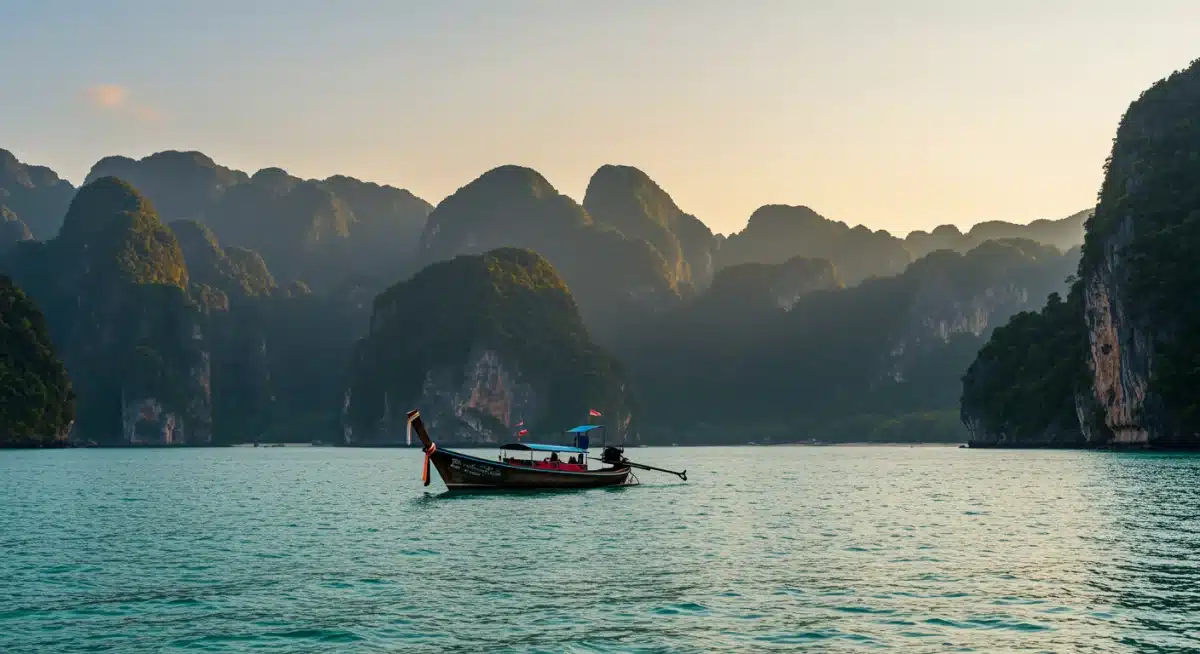
Week 4: Island Hopping in Southern Thailand (e.g., Koh Lanta or Krabi)
After a productive start, head south for some well-deserved beach time and a change of scenery. Koh Lanta is known for its relaxed vibe and digital nomad-friendly infrastructure, while Krabi offers stunning limestone cliffs and access to iconic islands.
- Work: Coworking spaces exist, but focus more on enjoying the natural beauty. Some guesthouses and cafes offer decent Wi-Fi.
- Explore: Snorkeling, diving, kayaking through mangroves, island tours to Phi Phi Islands (day trip), relaxing on pristine beaches.
- Accommodation: Beachfront bungalows, resorts, and guesthouses.
Month 2: Vietnam – Culture, Cuisine, and Connectivity
Next, fly to Vietnam, a country rich in history, breathtaking landscapes, and an incredibly dynamic atmosphere. Vietnam offers fantastic value for money and a burgeoning digital nomad scene.
Weeks 5-7: Da Nang & Hoi An – Coastal Charm and Ancient Beauty
Start in Da Nang, a modern coastal city with a beautiful beach and good infrastructure, then explore the nearby ancient town of Hoi An.
- Work: Da Nang has several coworking spaces (e.g., The Hive, Surf Space) and cafes with strong Wi-Fi. Hoi An is more about relaxed work from cafes or your accommodation.
- Explore Da Nang: My Khe Beach, Marble Mountains, Dragon Bridge, Hai Van Pass (by motorbike).
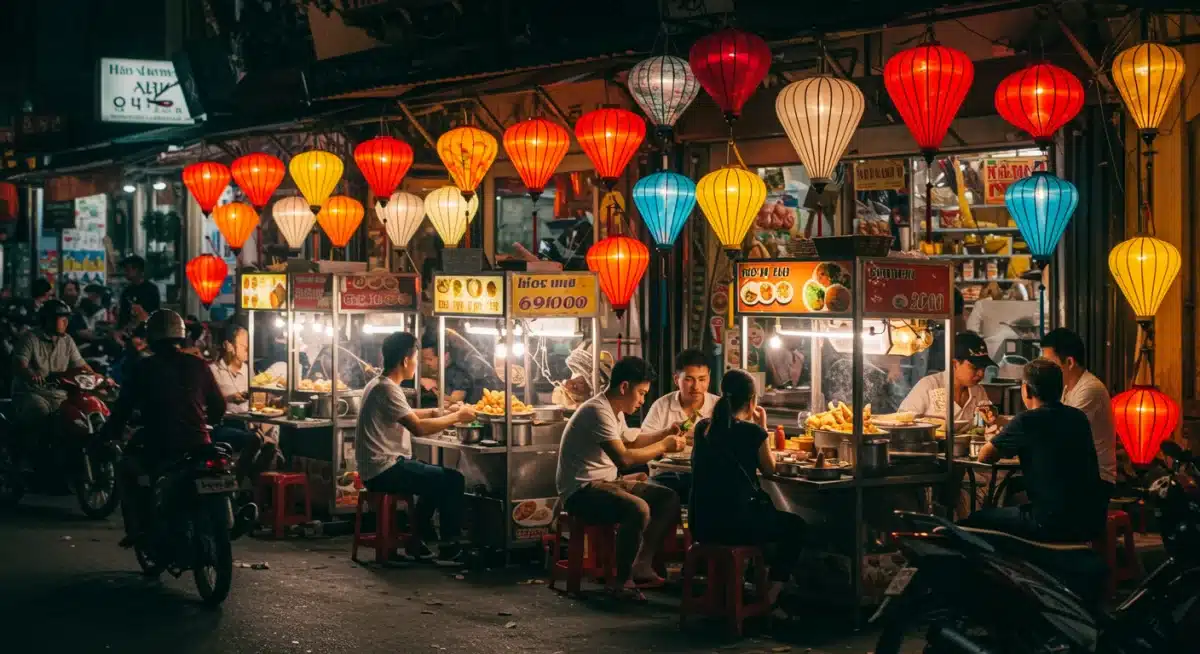
- Explore Hoi An: UNESCO World Heritage site, ancient town, tailor shops, cooking classes, lantern-lit streets, Thu Bon River boat rides.
- Accommodation: Hotels, guesthouses, and homestays.
Weeks 8-9: Hanoi – The Vibrant Capital
Head north to Hanoi, Vietnam’s bustling capital. It’s a city that assaults the senses in the best way possible – a whirlwind of motorbikes, street food, and historical sites.
- Work: Many cafes with excellent Wi-Fi, and a growing number of coworking spaces (e.g., Toong, Up Coworking Space).
- Explore: Old Quarter, Hoan Kiem Lake, Temple of Literature, Ho Chi Minh Mausoleum, water puppet show, street food tours.
- Accommodation: Boutique hotels, guesthouses, and serviced apartments in the Old Quarter or French Quarter.
Week 10: Ha Long Bay – Nature’s Masterpiece
Take a break from city life with a relaxing cruise through the iconic Ha Long Bay, a UNESCO World Heritage site.
- Work: Limited Wi-Fi on most cruises, so plan for a digital detox or light tasks.
- Explore: Overnight cruise, kayaking, cave exploration, swimming, enjoying the stunning karst landscapes.
Month 3: Indonesia – Island Paradise and Spiritual Retreats
Conclude your Southeast Asia Digital Nomad journey in Indonesia, focusing on the popular island of Bali, known for its spiritual vibe, stunning beaches, and thriving remote work community.
Weeks 11-12: Bali (Ubud & Canggu) – Culture and Surfing
Split your time between the cultural heart of Ubud and the trendy, surf-friendly coastal town of Canggu.
- Work: Ubud offers coworking spaces like Hubud and Outpost. Canggu has Dojo Bali, Tropical Nomad, and numerous cafes with reliable Wi-Fi.
- Explore Ubud: Monkey Forest, rice terraces (Tegallalang), yoga and meditation retreats, art markets, traditional dance performances, cooking classes.
- Explore Canggu: Surfing lessons, beach clubs, vibrant nightlife, healthy cafes, Echo Beach, Tanah Lot Temple.
- Accommodation: Villas, guesthouses, and boutique hotels catering to digital nomads.
Week 13: Gili Islands or Nusa Islands – Island Bliss
For your final week, escape to the tranquil Gili Islands (no motorized vehicles) or the dramatic cliffs and pristine beaches of the Nusa Islands (Nusa Penida, Lembongan, Ceningan).
- Work: Basic Wi-Fi available, but this week is for relaxation and enjoying island life.
- Explore: Snorkeling, diving, cycling, exploring hidden beaches, chilling at beachside cafes, enjoying stunning sunsets.
- Accommodation: Beach bungalows, eco-resorts.
Tips for a Successful Southeast Asia Digital Nomad Experience
To ensure your 3-month adventure is as smooth and rewarding as possible, keep these tips in mind:
Stay Connected: Internet and SIM Cards
Reliable internet is non-negotiable for a Southeast Asia Digital Nomad. Upon arrival in each country, purchase a local SIM card with a generous data plan. These are generally inexpensive and provide excellent coverage in urban areas. For backup, consider an eSIM service or a portable Wi-Fi device. Always check reviews of accommodations for Wi-Fi quality before booking.
Health and Safety Precautions
- Travel Insurance: Absolutely essential. Choose a policy that covers medical emergencies, travel delays, and theft of electronics. SafetyWing and World Nomads are popular choices for digital nomads.
- Vaccinations: Consult your doctor well in advance about recommended vaccinations (Hepatitis A & B, Typhoid, Tetanus, etc.) and malaria prophylaxis.
- Food and Water Safety: Stick to bottled water. Be cautious with street food, choosing busy stalls with high turnover.
- Personal Safety: Be aware of your surroundings, especially at night. Keep valuables secure. Use reputable ride-hailing apps (Grab) instead of unmarked taxis.
Cultural Sensitivity and Local Etiquette
Respecting local customs is paramount. Dress modestly when visiting temples (cover shoulders and knees). Remove your shoes before entering homes and temples. Use your right hand for greetings and food. Acknowledge and return greetings with a smile. Learning a few basic phrases in the local language (e.g., ‘hello,’ ‘thank you’) goes a long way.
Embrace Slow Travel and Flexibility
While this itinerary provides a framework, don’t be afraid to deviate. The beauty of being a digital nomad is the flexibility it offers. If you fall in love with a particular place, extend your stay! If a new opportunity arises, pivot. Slow travel allows for deeper immersion, reduces travel fatigue, and often leads to more authentic experiences.
Building a Community
One of the best aspects of the digital nomad lifestyle is the community. Join local Facebook groups for digital nomads in each city. Attend coworking space events, meetups, and workshops. These are excellent opportunities to network, make friends, and get local recommendations.
Financial Management and Banking
For a Southeast Asia Digital Nomad, having multiple ways to access your funds is crucial. Use a debit card with no foreign transaction fees (e.g., Charles Schwab, Revolut, Wise). Inform your bank of your travel plans to avoid card freezes. Keep some emergency cash in USD and local currency. ATMs are widely available in most urban and tourist areas.
Time Management and Productivity
Maintaining productivity amidst alluring distractions is key. Establish a routine, dedicate specific hours to work, and find quiet spaces. Coworking spaces are excellent for this. Leverage time zone differences to your advantage, perhaps working early mornings or late evenings to align with clients back home.
Beyond the Itinerary: Expanding Your Southeast Asia Digital Nomad Horizons
While this 3-month itinerary focuses on popular hubs, Southeast Asia offers a myriad of other incredible destinations for the adventurous digital nomad:
- Philippines: Palawan, Siargao, and Cebu offer stunning islands, world-class diving, and a friendly English-speaking population.
- Malaysia: Kuala Lumpur for a modern city experience, or Penang for its colonial charm and incredible food scene.
- Cambodia: Siem Reap (Angkor Wat) offers profound historical immersion, though internet infrastructure can be less reliable outside major cities.
- Laos: A slower pace of life, beautiful landscapes, and a more off-the-beaten-path feel, ideal for those seeking tranquility.
Consider these for future trips or if you decide to extend your stay beyond three months. Each country offers a unique flavor and set of experiences.
The Future of Digital Nomadism in Southeast Asia
As 2026 approaches, the landscape for digital nomads in Southeast Asia continues to evolve. Governments are increasingly recognizing the economic benefits of attracting remote workers, leading to the development of more favorable visa policies and improved infrastructure. Expect more dedicated digital nomad visas, an increase in high-quality coworking spaces, and even more communities tailored to the remote worker lifestyle.
The region’s inherent hospitality, coupled with its affordability and natural beauty, ensures its enduring appeal. For the US digital nomad, Southeast Asia represents not just a travel destination, but a lifestyle choice – one that promises growth, adventure, and a truly global perspective.
Conclusion: Your 2026 Southeast Asia Digital Nomad Dream Awaits
Embarking on a 3-month journey as a Southeast Asia Digital Nomad is an experience that will undoubtedly transform you. From the bustling streets of Hanoi to the serene beaches of Bali, and the cultural richness of Chiang Mai, this itinerary provides a solid foundation for an unforgettable adventure.
Remember to plan thoroughly, but also leave room for spontaneity. Embrace the challenges and savor every moment. Southeast Asia in 2026 is poised to offer an incredible backdrop for your remote work and travel aspirations. Pack your bags, charge your laptop, and get ready to create memories that will last a lifetime. Happy travels and productive working!