2026 Digital Nomad Health Insurance: US Citizens’ Guide to Saving 15% on International Coverage

The allure of the digital nomad lifestyle is undeniable: the freedom to work from anywhere, explore new cultures, and escape the conventional 9-to-5. For US citizens embracing this global adventure, one critical aspect often overlooked or underestimated is comprehensive health insurance. As you hop from Bali to Berlin, or from Medellín to Marrakech, your health needs don’t disappear. In fact, they become more complex due to varying healthcare systems, language barriers, and the sheer distance from your home country. This comprehensive guide for 2026 is specifically designed for US digital nomads, offering insights into navigating the intricate world of international health insurance, ensuring you’re covered, and crucially, showing you how to save up to 15% on your premiums.
Understanding your options for digital nomad health insurance is not just about peace of mind; it’s about financial prudence and access to quality care when you need it most. A medical emergency abroad can quickly deplete your travel savings, turning a dream into a nightmare. With the right insurance, you can focus on your work and explorations, knowing that unexpected health issues are managed.
Why US Digital Nomads Need Specialized Health Insurance
Traditional domestic US health insurance plans are rarely sufficient for a nomadic lifestyle. Most US-based plans offer limited or no coverage outside the United States, especially for extended periods. Even if they do, the reimbursement process can be cumbersome, and you might find yourself paying out-of-pocket for significant expenses before any reimbursement occurs. Travel insurance, while useful for short trips, often lacks the comprehensive, long-term coverage required by digital nomads who spend months or even years abroad.
Specialized digital nomad health insurance is designed with the unique needs of remote workers and long-term travelers in mind. These plans typically offer:
- Worldwide Coverage: Excluding or including the USA, depending on your needs and premium.
- Emergency Medical Evacuation: Critical if you’re in a remote area or need specialized care not available locally.
- Repatriation of Remains: A somber but necessary consideration.
- Direct Billing: Many providers can arrange direct billing with hospitals and clinics, reducing your upfront costs.
- Telemedicine Services: Access to doctors via phone or video call, invaluable when you’re in a new country and unsure where to seek medical help.
- Flexibility: Plans often allow for easy adjustments to coverage as your travel plans change.
Ignoring the need for proper insurance is a gamble with potentially catastrophic consequences. From a simple sprained ankle in Thailand to a more serious illness in South America, medical bills can quickly escalate. For US citizens, who are accustomed to high healthcare costs, the sticker shock in other countries can be surprising, but inadequate insurance can make it even worse if you’re footing the entire bill.
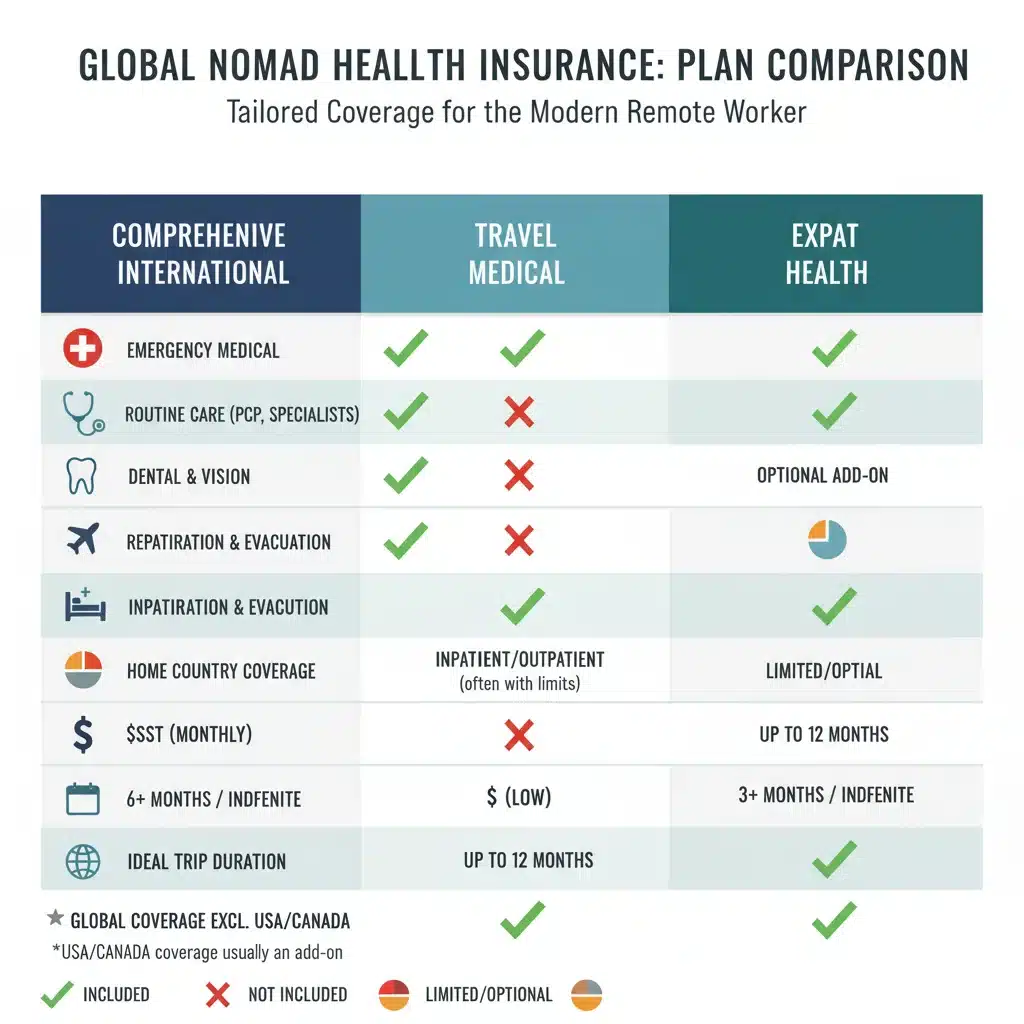
Understanding the Different Types of International Health Insurance
Before diving into how to save, it’s crucial to understand the landscape of international health insurance options available to US digital nomads. There isn’t a one-size-fits-all solution, and your choice will depend on your travel style, duration, budget, and health needs.
1. Comprehensive International Health Insurance (Expat Plans)
These are often the most robust options, designed for individuals living abroad for extended periods. They offer broad coverage similar to what you’d expect from a good domestic plan, including:
- Inpatient and outpatient care
- Prescription medications
- Maternity care
- Mental health services
- Wellness and preventative care
- Emergency medical evacuation and repatriation
These plans are ideal for digital nomads who plan to be outside the US for a year or more, or those who desire comprehensive coverage regardless of location. They often have higher premiums but provide extensive peace of mind. Some providers offer modular plans where you can add or remove benefits like dental, vision, or US coverage.
2. Travel Medical Insurance
While often confused with comprehensive plans, travel medical insurance is primarily designed for emergencies and unexpected illnesses or injuries during shorter trips (typically up to a year). It generally covers:
- Emergency medical treatment
- Hospitalization
- Medical evacuation
- Accidental death and dismemberment
It typically does NOT cover routine check-ups, pre-existing conditions (unless specifically added and with limitations), or non-emergency medical care. This type of insurance is a good fit for digital nomads who are frequently returning to the US for primary care or who are on shorter-term nomadic stints.
3. Digital Nomad Specific Plans
A growing number of insurance providers are creating plans tailored specifically for the digital nomad community. These plans often strike a balance between comprehensive expat plans and basic travel medical insurance, offering:
- Flexible duration and renewal options
- Coverage for adventure sports (often an add-on)
- Telemedicine integration
- Mental health support
- Focus on emergency care with options for some routine care
These plans are becoming increasingly popular due to their flexibility and understanding of the nomadic lifestyle, often providing better value for money than traditional options for this specific demographic.
How US Digital Nomads Can Save 15% on Health Insurance in 2026
Saving money on essential services like insurance is always a priority, especially when living a flexible lifestyle. Here’s how US digital nomads can potentially cut their digital nomad health insurance costs by up to 15% or more in 2026:
1. Opt for a Higher Deductible
One of the most straightforward ways to reduce your premium is by choosing a higher deductible. A deductible is the amount you pay out-of-pocket before your insurance coverage kicks in. If you’re generally healthy and prefer to pay for minor medical issues yourself, a higher deductible can significantly lower your monthly or annual premium. Just ensure you have enough savings to cover that deductible if an emergency arises.
2. Exclude US Coverage (If Applicable)
Healthcare costs in the United States are among the highest in the world. If you do not plan to spend significant time in the US, or if you have separate coverage for your brief visits home, opting for a plan that excludes US coverage can drastically reduce your premiums. Many international plans offer a “Worldwide Excluding USA” option, which is almost always more affordable than “Worldwide Including USA.” This can be a major cost-saver for US digital nomads who primarily reside abroad.
3. Choose Direct Billing Networks
While this doesn’t directly reduce your premium, it saves you money and hassle in the long run. Plans that have extensive direct billing networks with hospitals and clinics worldwide mean you won’t have to pay out-of-pocket and wait for reimbursement. This avoids potential currency conversion fees, bank transfer fees, and the risk of unfavorable exchange rates when dealing with reimbursements.
4. Compare Multiple Providers and Get Quotes
Never settle for the first quote you receive. The international health insurance market is competitive, with many reputable providers. Use online comparison tools or work with an independent insurance broker specializing in expat and digital nomad insurance. They can shop around for you, comparing plans from companies like SafetyWing, World Nomads, Cigna Global, GeoBlue, Allianz, and more, helping you find the best coverage at the most competitive price. Prices and offerings change annually, so what was best last year might not be in 2026.
5. Understand What You Really Need (and Don’t Need)
Review the benefits carefully. Do you need maternity coverage if you’re not planning a family? Do you require extensive dental coverage, or are you happy with basic emergency dental? Are you an avid extreme sports enthusiast, or can you forgo the adventure sports rider? Customizing your plan to remove unnecessary benefits can lead to significant savings. However, be cautious not to under-insure yourself for critical eventualities.
6. Pay Annually Instead of Monthly
Many insurance companies offer a discount (often 5-10%) if you pay your premium annually in a lump sum rather than in monthly installments. If you have the financial capacity, this is an easy way to save money over the course of the year. This is a common practice across many insurance types and holds true for digital nomad health insurance as well.
7. Maintain a Healthy Lifestyle
While not an immediate premium reducer (unless you’re applying for underwritten plans with health questionnaires), maintaining good health can prevent claims, which might make you eligible for better rates in the future or avoid premium increases due to frequent claims. Some providers also offer wellness programs that can provide discounts or rewards.
8. Look for Group Discounts or Association Memberships
If you’re part of a professional organization, a digital nomad community, or even certain alumni associations, they might have partnerships with insurance providers that offer discounted rates. It’s always worth checking if any groups you belong to provide such benefits. Some co-working spaces or digital nomad platforms also negotiate bulk rates for their members.
9. Consider a Health Savings Account (HSA) – If Applicable
For US citizens, if you have a high-deductible health plan that qualifies, an HSA can be a powerful tool. While primarily for domestic use, the funds can sometimes be used for qualified medical expenses incurred abroad. Consult a tax professional to understand the specifics. This doesn’t directly reduce your international premium but can make managing healthcare costs more efficient.
Key Considerations When Choosing Your Digital Nomad Health Insurance
Beyond saving money, ensuring you have the right coverage is paramount. Here are critical factors US digital nomads should evaluate:
Geographic Coverage
Does the plan cover all the countries you intend to visit? Is there a maximum duration you can stay in any one country? As mentioned, decide whether you need US coverage or not. Some plans might have specific exclusions for high-risk regions.
Pre-existing Conditions
If you have any pre-existing medical conditions, this is a non-negotiable point. Many policies exclude them or require a waiting period. Be transparent with insurers about your medical history to avoid claim denials. Some specialized plans offer coverage for stable pre-existing conditions, often at a higher premium or with specific limitations.
Emergency Evacuation and Repatriation
This is vital. What is the coverage limit? Does it include medical escort if needed? Does it cover repatriation to your home country (USA) or just to the nearest suitable medical facility? The cost of an emergency medical evacuation can be astronomical, easily reaching six figures.
Customer Service and Support
When you’re in a foreign country, navigating a medical emergency can be stressful. Look for providers with 24/7 multilingual customer support, easy claims processes (online portals, mobile apps), and a strong reputation for handling claims efficiently. Read reviews from other digital nomads.
Network of Hospitals and Doctors
Does the insurer have a direct billing network in the regions you frequent? This can save you significant out-of-pocket expenses and administrative headaches. Research the quality of healthcare providers within their network in your target destinations.
Policy Limits and Sub-limits
Understand the overall maximum benefit limit, but also pay attention to sub-limits for specific treatments (e.g., physical therapy, mental health, dental, specific types of surgery). A high overall limit might be misleading if key areas have low sub-limits.
Adventure Sports Coverage
If your nomadic lifestyle includes activities like scuba diving, rock climbing, skiing, or surfing, ensure these are covered. Many standard policies exclude “hazardous activities.” You might need an add-on rider for specific sports.
Telemedicine and Mental Health
Access to virtual doctors can be incredibly convenient for non-emergency issues or for getting a quick consultation. Mental health support is also increasingly important for digital nomads who may experience isolation or stress. Check if these services are included or available as an add-on.

Top Providers for Digital Nomad Health Insurance in 2026
While the best provider depends on individual needs, here are some highly-regarded options popular among US digital nomads:
- SafetyWing: Often cited as the go-to for digital nomads, offering a subscription-based model with automatic monthly renewals. It’s designed for nomads by nomads, covering travel delays, lost luggage, and basic medical emergencies. It’s generally more affordable for basic needs but might not be as comprehensive as full expat plans.
- World Nomads: Very popular for its flexibility and coverage for adventure activities. It’s more geared towards travel insurance but offers options suitable for longer-term travelers with good emergency medical coverage.
- Cigna Global: A leading provider of comprehensive international health insurance (expat plans). Offers extensive coverage, customizable plans, and a vast network of medical providers worldwide. Ideal for those seeking robust, long-term coverage.
- GeoBlue: Specifically designed for US citizens living or traveling abroad, often requiring a domestic US health plan to qualify. Offers excellent benefits and a strong network, particularly beneficial if you maintain US residency and travel frequently.
- Allianz Care: Another major player in the international health insurance market, offering a range of plans from basic to comprehensive, with good customer service and a global network.
- IMG Global: Provides various international medical insurance plans, including those suitable for long-term expatriates and global nomads, with different levels of coverage and deductible options.
When comparing these providers, always get a personalized quote, as prices can vary significantly based on age, destination, chosen deductible, and coverage level. Read the fine print carefully!
The Future of Digital Nomad Health Insurance: What to Expect in 2026 and Beyond
The digital nomad movement is growing, and insurance providers are adapting. In 2026, we can expect to see:
- More Tailored Plans: Increased customization options for specific nomad profiles (e.g., family nomads, adventure nomads, slow travelers).
- Enhanced Telemedicine: Even more sophisticated virtual care platforms, potentially integrating AI for initial assessments and referrals.
- Mental Health Focus: Greater emphasis on mental wellness support, with more plans including therapy and counseling services.
- Blockchain for Claims: Potential use of blockchain technology to streamline claims processing, making it faster and more transparent.
- Flexible Payment Models: Continued evolution of subscription-based and pay-as-you-go models to match the nomadic lifestyle.
- Preventative Care Integration: More plans offering incentives or coverage for preventative health measures and wellness programs.
Staying informed about these trends will help you make the best decisions for your health and finances as a global remote worker.
Conclusion: Prioritizing Your Health on the Road
For US citizens embracing the digital nomad lifestyle, securing appropriate digital nomad health insurance is not merely a recommendation; it’s a fundamental necessity. It’s the safety net that allows you to fully immerse yourself in new cultures, pursue your work, and explore the world without the constant worry of medical emergencies derailing your journey and finances.
By understanding the different types of plans, strategically comparing providers, and implementing the cost-saving tips outlined in this 2026 guide, you can realistically save 15% or more on your international health coverage. Prioritize comprehensive research, be honest about your health needs, and choose a plan that aligns with your unique nomadic journey. Your health is your most valuable asset – protect it, no matter where your Wi-Fi takes you.
Ready to explore your options? Start gathering quotes from multiple providers today to find the perfect digital nomad health insurance plan that offers peace of mind and keeps your adventures going strong into 2026 and beyond.