Securing Your Mail and Packages as a US Digital Nomad: 4 Essential Services for 2026 (PRACTICAL SOLUTIONS)
The allure of the digital nomad lifestyle is undeniable: the freedom to work from anywhere, explore new cultures, and escape the conventional 9-to-5. However, this freedom comes with its own set of logistical challenges, not least of which is managing your mail and packages. For US digital nomads, maintaining a stable physical address and ensuring the secure delivery of important documents and purchases is paramount. In an increasingly remote-first world, the services available to support this nomadic way of life are constantly evolving. As we look towards 2026, understanding the most effective and reliable digital nomad mail solutions is crucial for a smooth and stress-free journey.
Imagine being halfway across the globe, needing to receive a new credit card, a government document, or a package from an online store that doesn’t ship internationally. Without a solid strategy for your mail, these scenarios can quickly turn from minor inconveniences into major headaches. This comprehensive guide will delve into the top four essential services that US digital nomads should consider for securing their mail and packages in 2026, offering practical solutions to keep you connected and compliant, no matter where your adventures take you.
We’ll explore virtual mailboxes, registered agent services, family/friend networks, and co-working space solutions, breaking down their benefits, potential drawbacks, and how to integrate them seamlessly into your nomadic workflow. By the end of this article, you’ll have a clear roadmap for choosing the best digital nomad mail solutions tailored to your specific needs, ensuring peace of mind as you traverse the globe.
Anúncios
The Core Challenge: Why Traditional Mail Doesn’t Work for Digital Nomads
Before diving into solutions, it’s vital to understand the inherent problems traditional mail poses for those living a location-independent lifestyle. Your physical address is more than just a place to receive letters; it’s often tied to your legal residency, banking, taxes, and even identity verification. When you’re constantly on the move, maintaining a consistent and reliable point of contact for these crucial aspects becomes a significant hurdle.
Residency and Legal Requirements
Many financial institutions, government agencies (like the IRS), and even some online services require a physical US address for account verification, tax purposes, or to send official correspondence. Without a fixed address, you might struggle to open new bank accounts, apply for loans, renew your driver’s license, or even vote. Establishing a legitimate residency address is foundational for US digital nomads.
Anúncios
Package Delivery & Returns
Online shopping is a modern necessity, but receiving packages when you don’t have a permanent home is tricky. Forwarding services can be slow and expensive, and international shipping can be fraught with customs issues. Returns become a logistical nightmare, often requiring a physical presence or a trusted intermediary. This is where robust digital nomad mail solutions truly shine, transforming a potential stressor into a manageable task.
Security and Privacy Concerns
Leaving mail unattended at a friend’s house or a temporary address can expose you to security risks and privacy breaches. Important documents could be lost, stolen, or accessed by unauthorized individuals. A dedicated mail management service ensures that your sensitive information is handled with professional care and discretion.
Time-Sensitive Correspondence
Some mail requires prompt attention, such as legal notices, medical bills, or financial statements. Delays in receiving or acting upon these can have serious consequences. Effective digital nomad mail solutions provide timely access to your mail, often through digital scanning and notification.
1. Virtual Mailbox Services: Your Digital Command Center for Mail
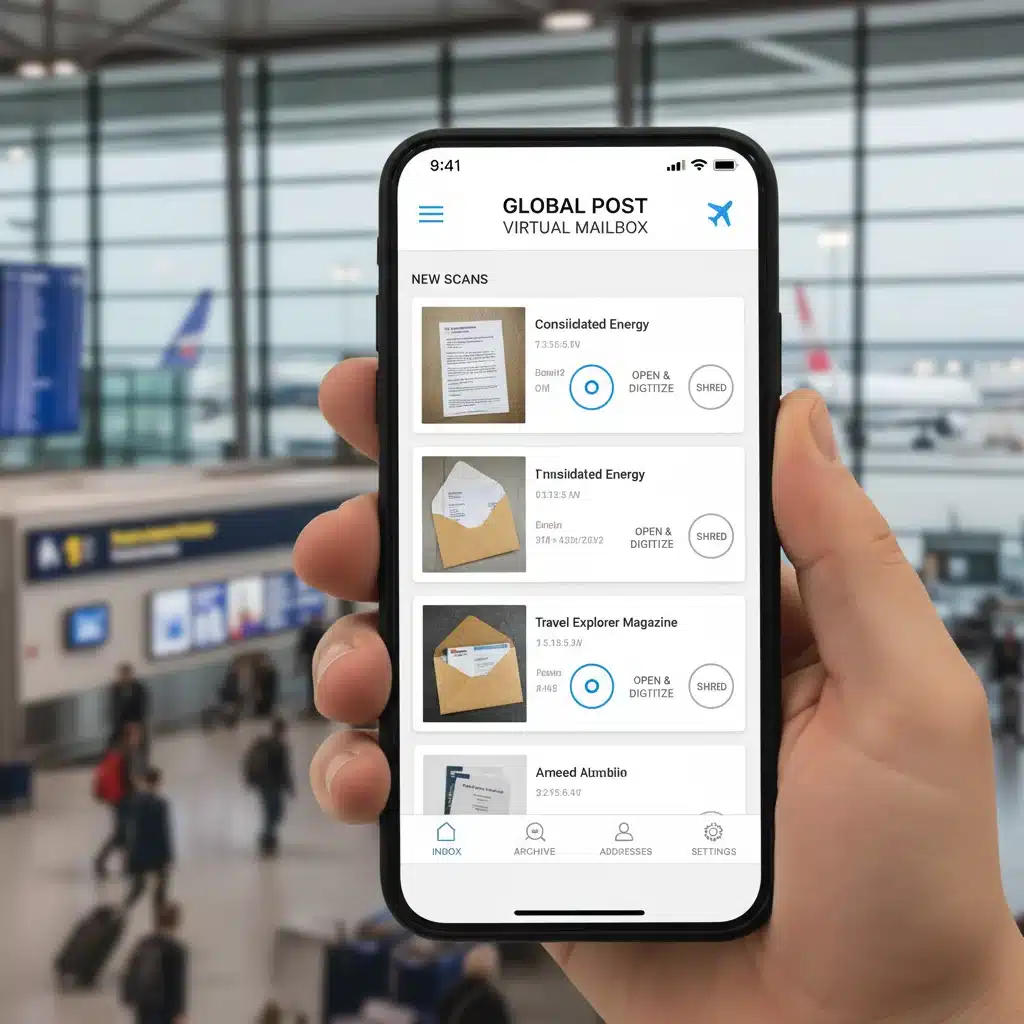
Virtual mailbox services are arguably the most popular and comprehensive solution for US digital nomads. They provide you with a real physical street address (not a PO box) in a US state of your choosing. This address can then be used for all your official correspondence, banking, and even package deliveries. The magic happens once your mail arrives at this address.
How Virtual Mailboxes Work
When mail arrives at your designated virtual mailbox address, the service provider’s team processes it. This typically involves:
- Receiving Mail: They receive all your letters and packages.
- Scanning Envelopes: You receive a notification, often via email or a dedicated app, with a scanned image of the exterior of your envelopes.
- Actionable Options: From your online dashboard, you can then instruct them to:
- Open and Scan Contents: For important documents, they will open the envelope, scan the contents, and upload them to your secure online portal.
- Forward Mail: If you need the physical item, they can forward it to your current location, anywhere in the world.
- Shred Mail: For junk mail or unwanted documents, they can securely shred and dispose of them.
- Deposit Checks: Some services even offer check deposit services directly into your US bank account.
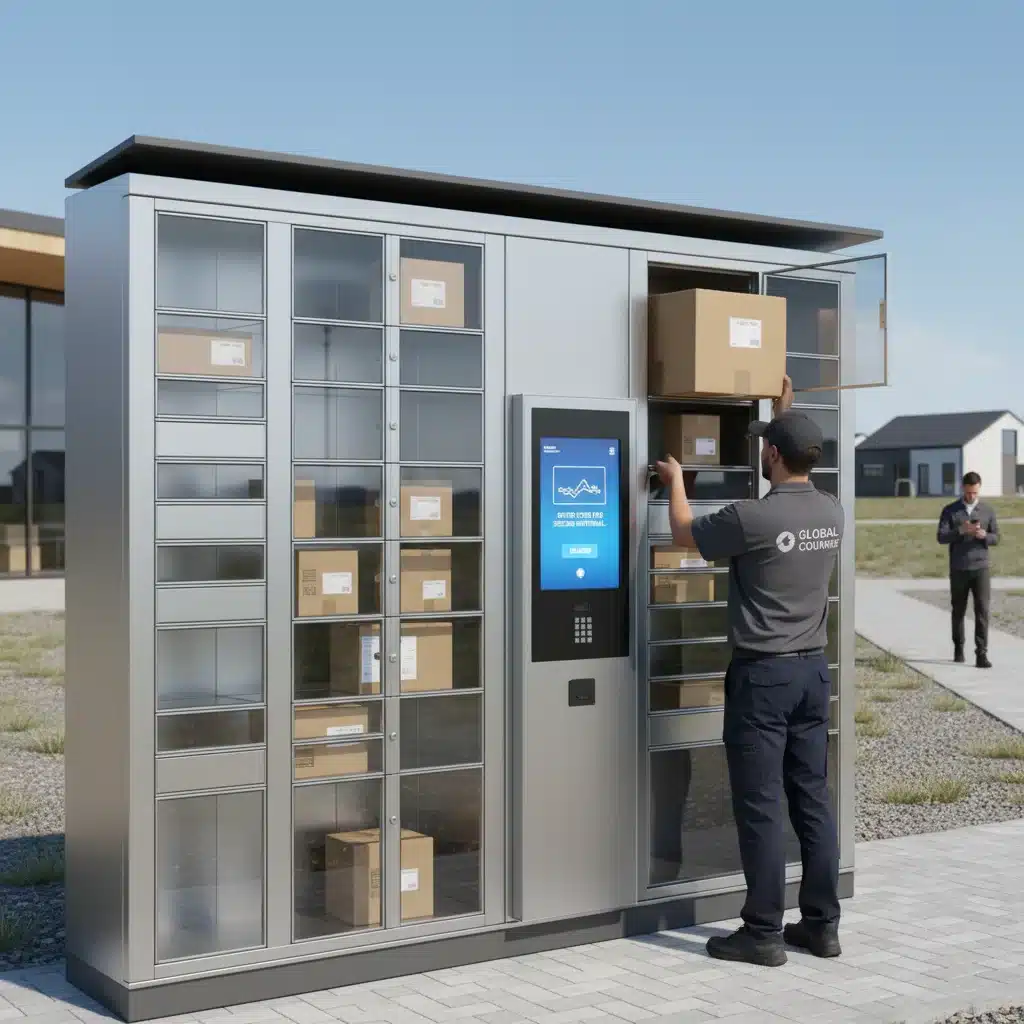
- Package Handling: They receive packages, store them, and can forward them upon your request.
Benefits of Virtual Mailboxes
- Real Street Address: Provides a legitimate US address for all purposes, including residency.
- Global Access: Manage your mail from anywhere with an internet connection.
- Efficiency: Quickly identify and action important mail, reducing clutter and delays.
- Security: Professional handling and secure digital storage of your documents.
- Cost-Effective: Often more affordable than renting a physical office or relying on friends for long periods.
- Package Management: Ideal for receiving online purchases and consolidating shipments.
Leading Virtual Mailbox Providers for 2026
Several reputable companies offer excellent virtual mailbox services. When choosing, consider factors like pricing, features (check deposit, multiple recipients, storage limits), customer service, and the availability of addresses in specific states (e.g., states with no income tax like Florida, Texas, or South Dakota are popular for residency).
- Earth Class Mail: Known for its robust features and enterprise-grade security, often favored by businesses and individuals with high mail volumes. They offer premium services like integration with cloud storage.
- Traveling Mailbox: A popular choice for individual digital nomads, offering a user-friendly interface, multiple plans, and good customer support. They have a strong focus on mobile accessibility.
- Anytime Mailbox: Offers a vast network of physical addresses across the US, allowing you to choose a location that best suits your residency needs. Their flexibility and competitive pricing make them an attractive option for many.
- PostScan Mail: Provides a good balance of features, pricing, and a strong emphasis on security and privacy. They offer custom plans and efficient mail forwarding.
When selecting a service, always check for their specific package handling policies, forwarding rates, and any limitations on the types of mail they can receive. Some services might charge extra for large packages or require specific instructions for certain types of mail.
2. Registered Agent Services: The Unsung Hero for Business-Minded Nomads
While primarily associated with businesses, registered agent services can be an invaluable asset for US digital nomads, especially those who operate their own LLC or corporation. A registered agent is a designated individual or entity responsible for receiving official government correspondence, legal documents, and service of process on behalf of your business.
How Registered Agent Services Work for Nomads
If you’ve established an LLC or corporation in a US state (a common practice for many digital entrepreneurs to separate personal and business liabilities), that entity is legally required to have a registered agent with a physical address in that state. Even if you’re a solopreneur, using a registered agent service ensures that critical legal and tax documents are always received and forwarded to you, regardless of your location.
Benefits for Digital Nomads
- Legal Compliance: Ensures your business remains compliant with state regulations, avoiding penalties or dissolution for failing to receive legal notices.
- Privacy: Keeps your personal address off public records, as the registered agent’s address is listed instead.
- Reliability: Professional services guarantee that important legal and tax documents are never missed.
- Peace of Mind: Frees you from worrying about missing critical business correspondence while traveling.
- Often Includes Mail Forwarding: Many registered agent services also offer basic mail forwarding for official business mail, complementing a virtual mailbox for personal mail.
When to Consider a Registered Agent Service
If you:
- Have formed an LLC or corporation in the US.
- Want to protect your personal address from public records.
- Need a reliable point of contact for legal and tax correspondence for your business.
Then a registered agent service is an essential part of your digital nomad mail solutions toolkit. Companies like Northwest Registered Agent and ZenBusiness offer excellent services that cater to the needs of remote entrepreneurs.
3. Leveraging a Trusted Network: Family and Friends (with Caveats)
For some digital nomads, especially those just starting out or with very low mail volume, relying on a trusted family member or friend can seem like a convenient and cost-effective solution. They can receive your mail and packages and alert you to important items. However, this approach comes with significant limitations and potential downsides that must be carefully considered.
How it Works
You use a family member’s or friend’s address as your primary mailing address. They receive your mail, open it (if you’ve given permission), scan important documents, and inform you of arrivals. For packages, they might hold them until you return or forward them to your current location.
Pros of Using a Trusted Network
- Cost-Effective: Potentially free, aside from reimbursement for postage.
- Personal Trust: You know and trust the person handling your mail.
- Simplicity (Initially): Easy to set up if you have a willing helper.
Cons and Why Professional Services are Often Better
- Inconvenience for Your Helper: It can become a significant burden over time, especially with package forwarding, scanning, and managing junk mail.
- Lack of Professionalism/Security: Your mail isn’t handled by trained professionals. Sensitive documents might be exposed, and there’s no guarantee of secure storage or timely action.
- Limited Accessibility: You’re dependent on their availability to scan or forward mail. What if they’re on vacation or too busy?
- Residency Issues: While a friend’s address can work for some purposes, it might not be suitable for establishing legal residency in certain states or for official government correspondence if you don’t actually reside there.
- Scalability: Not sustainable for high mail volumes or frequent package deliveries.
- Lack of Official Features: No check deposit, no direct integration with digital tools, and usually no secure shredding.
While a trusted network can be a temporary stopgap, it’s generally not a sustainable or comprehensive long-term solution for serious digital nomads. It lacks the reliability, security, and features offered by dedicated digital nomad mail solutions.
4. Co-working Spaces with Mail Services: A Hybrid Approach
Some co-working spaces, particularly those with multiple locations or a focus on supporting remote workers and startups, offer mail and package handling as part of their membership benefits. This can be a useful option if you plan to base yourself in a specific city for an extended period or frequently return to a particular hub.
How Co-working Mail Services Work
You use the co-working space’s address as your business or personal mailing address. They receive your mail and packages, often notifying you upon arrival. You can then pick them up during business hours. Some more advanced co-working spaces might offer limited scanning or forwarding services, but this is less common than with dedicated virtual mailboxes.
Benefits of Co-working Mail Services
- Convenience: If you’re already using the co-working space, it’s a natural extension of your work setup.
- Professional Address: Provides a legitimate business address, which can be beneficial for credibility.
- Package Storage: A secure place to receive and hold packages until you can collect them.
- Community Aspect: Integrates mail management into your professional community.
Limitations to Consider
- Location Dependent: Only useful if you are physically present in the city where the co-working space is located. It’s not a solution for truly global nomads.
- Limited Features: Rarely offer the comprehensive scanning, shredding, and forwarding options of virtual mailboxes.
- Cost: Can be more expensive than a standalone virtual mailbox, as it’s typically bundled with a co-working membership.
- Personal vs. Business: May be more suited for business mail than personal correspondence.
This option is best viewed as a supplementary solution or for specific use cases rather than a primary, all-encompassing digital nomad mail solution. It works well if your travel patterns involve frequent returns to a particular city or if you need a local business presence.
Choosing the Right Digital Nomad Mail Solution for You
The best digital nomad mail solution isn’t a one-size-fits-all answer. It depends on your individual needs, travel style, budget, and the complexity of your mail requirements. Here’s a breakdown to help you decide:
Consider Your Residency Needs
If establishing or maintaining a legal US residency is critical for banking, taxes, or driver’s license purposes, a virtual mailbox service that offers a physical street address in a tax-friendly state (like South Dakota, Florida, or Texas) is often the best choice. These services understand the specific requirements for nomads to establish domicile.
Evaluate Your Mail Volume and Type
- High Volume (personal & business): A comprehensive virtual mailbox service is essential for efficient handling, scanning, and forwarding.
- Primarily Business/Legal: If you have an LLC/corporation, a registered agent service is non-negotiable for compliance, potentially supplemented by a virtual mailbox for other business mail.
- Very Low Volume & Patient: A trusted friend/family member might suffice for basic needs, but be aware of the limitations.
Think About Package Handling
Do you frequently order items online? Do you need to return purchases? Virtual mailbox services excel here, offering package reception, storage, and forwarding. Co-working spaces can also be good for local pickups, but less so for international forwarding.
Budget and Features
Compare pricing plans. Basic virtual mailboxes can start from $10-$20 per month, while more advanced plans with higher mail volumes, multiple recipients, or check deposit features will cost more. Registered agent services are typically in a similar range annually. Factor in forwarding costs, which can add up, especially for international shipments.
Security and Privacy
For sensitive documents, professional services offer encrypted online portals and secure shredding. Relying on friends might compromise your privacy if not handled carefully.
Practical Tips for Optimizing Your Digital Nomad Mail Management
Once you’ve chosen your primary digital nomad mail solutions, here are some practical tips to make the most of them:
1. Update All Your Addresses
This is crucial. Change your address with banks, credit card companies, the IRS, utility providers (if applicable), health insurance, and any other important entities to your new virtual mailbox or registered agent address. Don’t forget online retailers like Amazon.
2. Set Up Mail Forwarding with USPS
For a temporary period (typically 6-12 months), you can set up mail forwarding with the US Postal Service from your old address to your new virtual mailbox address. This catches any mail you might have missed updating directly. Note that USPS forwarding only works for first-class mail and typically not for packages from private carriers.
3. Go Paperless Whenever Possible
Embrace digital statements and notifications for everything. Most banks, utility companies, and service providers offer paperless options. This significantly reduces your physical mail volume, saving you money on scanning and forwarding fees.
4. Consolidate Package Shipments
If you’re ordering multiple items, try to have them shipped to your virtual mailbox within a short timeframe. Most services offer package consolidation, where they’ll combine several packages into one larger shipment, saving you considerable money on forwarding costs.
5. Regularly Review Your Mail
Even if you’re going paperless, check your virtual mailbox dashboard regularly. This ensures you stay on top of any unexpected mail or important notifications. Set up email alerts for new mail arrivals.
6. Understand Forwarding Costs and Timing
Be aware of the forwarding costs and estimated delivery times, especially for international shipments. Plan ahead if you need something by a specific date, accounting for potential customs delays.
7. Maintain a Digital Archive
Download and securely store scanned copies of important documents from your virtual mailbox portal. Cloud storage with strong encryption or an external hard drive are good options. This creates a redundant backup of your essential paperwork.
The Future of Digital Nomad Mail in 2026 and Beyond
As the digital nomad movement continues to grow, the demand for sophisticated and reliable digital nomad mail solutions will only increase. We can expect to see further innovations in this space, including:
- Enhanced AI-powered mail processing: Smarter categorization of mail, automated junk mail filtering, and even AI-assisted responses for routine inquiries.
- Better integration with financial tools: More seamless check deposit features and integration with personal finance management apps.
- Expansion of international forwarding networks: Faster and more cost-effective options for receiving physical mail and packages anywhere in the world.
- Increased emphasis on privacy and data security: As digital threats evolve, providers will continue to bolster their security measures.
- Specialized services for specific nomad niches: Tailored solutions for families, entrepreneurs, or those with unique residency requirements.
The landscape of remote work and global living is dynamic, but the need for a stable and secure connection to one’s home country remains constant. By proactively adopting the right mail and package management strategies, US digital nomads can confidently navigate these challenges and fully embrace the freedom their lifestyle offers.
Conclusion: Embrace Freedom with Secure Mail Solutions
The journey of a US digital nomad is one of adventure, flexibility, and constant learning. While the freedom from a fixed location is a major draw, it also necessitates a thoughtful approach to practicalities like mail and package management. By understanding and leveraging the four essential services outlined in this guide – virtual mailboxes, registered agent services, strategic use of trusted networks, and co-working space solutions – you can build a robust system that supports your nomadic lifestyle.
Investing in reliable digital nomad mail solutions isn’t just about convenience; it’s about maintaining legal compliance, protecting your privacy, ensuring access to critical information, and ultimately, achieving true peace of mind. As you plan your adventures for 2026 and beyond, make mail management a priority. With the right tools in place, you can focus on what truly matters: exploring the world, growing your business, and living life on your own terms, without the added stress of wondering where your next important letter will go.
Choose wisely, update your addresses diligently, and embrace the digital age to streamline your mail. Your future self, wherever they may be in the world, will thank you for it.