CARES Act 2026: Freelancer Loan Forgiveness & Business Grants Explained

Anúncios
The CARES Act and Freelancers: Navigating 2026 for Loan Forgiveness and Business Grants
The economic landscape for freelancers and independent contractors has been profoundly shaped by legislative actions, most notably the Coronavirus Aid, Relief, and Economic Security (CARES) Act. Enacted in response to the unprecedented challenges posed by the COVID-19 pandemic, the CARES Act introduced a suite of programs designed to provide financial relief and support to businesses and individuals alike. While much of the immediate impact was felt in 2020 and 2021, the ripple effects, particularly concerning loan forgiveness and the potential for residual or new business grants, continue to be a critical consideration for the self-employed community, extending even into 2026 and beyond. Understanding the long-term implications of the CARES Act Freelancers 2026 landscape is not just about looking back at past relief but also about anticipating how these foundational programs might influence future financial opportunities and obligations.
For many freelancers, the Paycheck Protection Program (PPP) and Economic Injury Disaster Loan (EIDL) programs were lifelines, offering much-needed capital to sustain operations during periods of economic uncertainty. The promise of loan forgiveness, especially for PPP loans, was a significant incentive, allowing many to convert emergency funding into non-repayable aid. As we approach 2026, questions naturally arise about the finality of these programs, any lingering forgiveness opportunities, and whether the framework established by the CARES Act could serve as a blueprint for future government support initiatives for the gig economy. This comprehensive guide will delve into these critical areas, providing insights into what freelancers can expect and how they can best position themselves for success in the evolving financial environment.
Anúncios
Understanding the CARES Act: A Retrospective for Freelancers
The CARES Act, signed into law in March 2020, was a monumental piece of legislation, allocating over $2 trillion in economic stimulus. For the self-employed, its most direct and impactful provisions included:
- Paycheck Protection Program (PPP): Initially designed for small businesses, the PPP was later expanded to include self-employed individuals, independent contractors, and sole proprietors. These loans were forgivable if a significant portion (originally 60%, later increased to 75% for certain expenses) was used for payroll costs (including owner compensation replacement), and the remainder for other eligible expenses like rent, mortgage interest, and utilities.
- Economic Injury Disaster Loan (EIDL) Program: Administered by the Small Business Administration (SBA), EIDL offered low-interest loans to help businesses, including freelancers, meet financial obligations and operating expenses that could have been met had the disaster not occurred. While EIDL loans were not forgivable in the same way as PPP, an associated EIDL Advance (or grant) was available and did not need to be repaid.
- Unemployment Assistance: The CARES Act also expanded unemployment benefits to include self-employed individuals, who traditionally were not eligible. This was a crucial safety net for many who saw their income disappear overnight.
These programs provided unprecedented support, fundamentally altering how many freelancers managed their finances during the pandemic. The mechanisms for application, utilization, and particularly, forgiveness, were complex and evolved over time, requiring diligent record-keeping and adherence to specific guidelines. The success of these programs, despite their administrative challenges, underscored the vital role of the self-employed in the national economy and highlighted the need for adaptable support structures. As we look towards 2026, the legacy of these programs continues to inform discussions around financial resilience for independent workers.
PPP Loan Forgiveness: What Freelancers Need to Know for 2026
The cornerstone of the PPP program for freelancers was the promise of loan forgiveness. For many, the process of applying for and receiving forgiveness has already concluded. However, for a smaller subset, particularly those who received larger loans or faced specific administrative hurdles, the forgiveness process might still have lingering aspects, or questions may arise regarding past applications. By 2026, the vast majority of PPP loans will have moved through the forgiveness pipeline. The SBA established clear deadlines for submitting forgiveness applications, and most lenders diligently processed these requests.
Anúncios
Key Considerations for PPP Loan Forgiveness in 2026:
- Finality of Decisions: For most, forgiveness decisions are final. If your loan was fully forgiven, you should have received official notification from your lender and the SBA. Keep these records meticulously.
- Outstanding Balances: If a portion of your PPP loan was not forgiven, or if you did not apply for forgiveness, you would have entered into a repayment schedule. By 2026, many of these repayment periods will be well underway or nearing their conclusion. It is crucial to continue making timely payments to avoid defaults and negative impacts on your credit.
- SBA Review and Audits: While less common for smaller loans, the SBA retained the right to review and audit PPP loans, even after forgiveness was granted. These reviews could extend for several years. Freelancers should maintain all documentation related to their PPP loan application, usage of funds, and forgiveness application for at least six years after the loan was forgiven or repaid. This includes bank statements, invoices, tax documents, and any correspondence with your lender or the SBA.
- Appeals Process: If your forgiveness application was denied, either partially or fully, you would have had the option to appeal the decision to the SBA. By 2026, most of these appeals would have been resolved. However, understanding the grounds for denial and the appeal process remains relevant for historical context and learning.
The experience with PPP loan forgiveness has provided valuable lessons for both government agencies and freelancers regarding the design and implementation of emergency financial aid. These lessons are likely to influence any future relief efforts, emphasizing the need for clear guidelines, streamlined processes, and accessible support for the self-employed. For the CARES Act Freelancers 2026 cohort, the focus shifts from active forgiveness applications to diligent record-keeping and managing any outstanding loan obligations.

EIDL Program: Repayment and Future Considerations
Unlike PPP loans, Economic Injury Disaster Loans (EIDLs) were not designed for forgiveness. They were long-term, low-interest loans intended to provide working capital. The repayment terms for EIDL loans typically included an initial deferment period, after which payments commenced. For many, this deferment period has long since ended, and regular payments are expected.
EIDL Status in 2026:
- Active Repayment: Most EIDL borrowers will be actively repaying their loans. It’s crucial to understand your payment schedule, interest rate, and how to make payments. The SBA generally services these loans directly, so communication channels with the SBA should be clear.
- Loan Modifications: In some cases, borrowers may have been able to request loan modifications or deferments if they continued to face financial hardship. While such opportunities were more prevalent in the immediate aftermath of the pandemic, they might still be available under specific, stringent conditions. Freelancers facing difficulties should proactively communicate with the SBA.
- EIDL Advances/Grants: The EIDL Advance (or targeted EIDL Advance) was a grant portion of the program that did not need to be repaid. By 2026, any questions regarding the taxability or eligibility of these grants should have been resolved. It’s important to have retained records related to these advances for tax purposes.
The EIDL program demonstrated the government’s capacity to provide direct, long-term financial assistance to small businesses and self-employed individuals during a crisis. While not a forgiveness program, its structure and reach offer insights into potential future disaster relief mechanisms. Freelancers should ensure they are well-versed in their EIDL repayment obligations and maintain accurate records of all transactions.
Business Grants for Freelancers: The Evolving Landscape Post-CARES Act
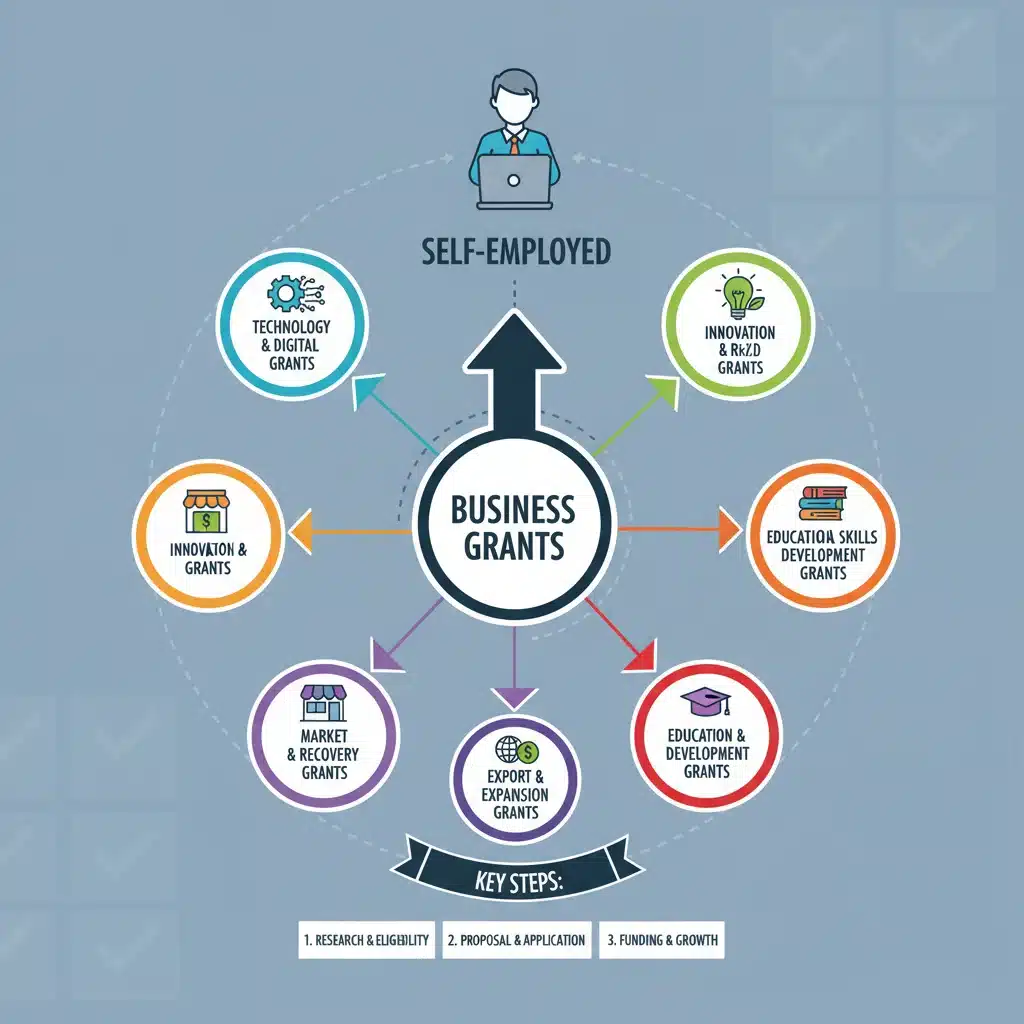
While the CARES Act itself did not establish a dedicated, ongoing business grant program for freelancers beyond the EIDL Advance, its passage spurred a broader conversation about supporting the self-employed. The pandemic highlighted the vulnerability of independent contractors and the need for more robust safety nets and growth opportunities. As we look towards 2026, the landscape of business grants for freelancers is characterized by a mix of state, local, and private initiatives, often influenced by the lessons learned from the CARES Act era.
Where to Find Grants for Freelancers in 2026:
- State and Local Programs: Many states and municipalities established their own grant programs using federal funds (like the American Rescue Plan Act, which followed the CARES Act) or local revenues. These programs often target specific industries, underserved communities, or innovation. Freelancers should regularly check their state and local government websites for new opportunities.
- Industry-Specific Grants: Various foundations and organizations offer grants tailored to specific creative fields (e.g., arts, writing, design), technology sectors, or other niche industries. Professional associations are excellent resources for discovering these.
- Private Foundations and Non-Profits: A multitude of private foundations and non-profit organizations exist with missions to support small businesses and entrepreneurs. Their grant cycles and eligibility criteria vary widely, requiring diligent research.
- Corporate Grant Programs: Some larger corporations offer grants as part of their corporate social responsibility initiatives, often focusing on areas like economic development, digital literacy, or local community support.
- Federal Agencies (Beyond SBA): While the SBA was central to CARES Act relief, other federal agencies (e.g., National Endowment for the Arts, National Science Foundation) offer grants that freelancers in specific fields might be eligible for. These are typically highly competitive and require detailed proposals.
The key for freelancers seeking grants in 2026 is proactive research and a clear understanding of their business needs and how they align with grant providers’ objectives. The experience of the CARES Act underscored the importance of having well-organized business financials and a clear narrative of impact, which are crucial for competitive grant applications.
Preparing for the Future: Best Practices for Freelancers in 2026
The legacy of the CARES Act continues to shape how freelancers approach financial planning and resilience. As we move further into the decade, several best practices will be paramount for independent contractors:
- Impeccable Record-Keeping: This cannot be overstated. From income and expenses to loan documents and grant applications, maintaining detailed and organized financial records is crucial for tax purposes, future loan applications, and potential audits. Digital solutions for invoicing, expense tracking, and document storage are invaluable.
- Understanding Tax Implications: The tax treatment of PPP loans (when forgiven), EIDL advances, and other grants can be complex. While general guidance has been provided, individual circumstances vary. Consulting with a qualified tax professional is essential to ensure compliance and optimize your tax strategy.
- Building Financial Reserves: The pandemic starkly highlighted the importance of an emergency fund. Freelancers should prioritize building a robust financial cushion to cover several months of living and business expenses. This provides stability during lean periods or unexpected crises.
- Diversifying Income Streams: Relying on a single client or income source increases vulnerability. Actively seeking to diversify your client base and service offerings can create greater financial stability.
- Staying Informed on Policy Changes: Government policies and economic support programs can evolve rapidly. Regularly monitoring news from the SBA, Treasury Department, and relevant state agencies will help freelancers stay ahead of potential opportunities or regulatory changes. Subscribing to industry newsletters and professional organizations can also be beneficial.
- Professional Development: Investing in skills and knowledge acquisition ensures freelancers remain competitive and adaptable. This might involve learning new technologies, refining existing skills, or exploring new service areas.
- Networking and Community Engagement: Connecting with other freelancers and small business owners can provide valuable insights, support, and potential collaborations. A strong professional network can also be a source of information regarding new grant opportunities or financial resources.
The experiences of the CARES Act Freelancers 2026 cohort serve as a powerful reminder of the importance of proactive financial management and strategic planning. The world of independent work is dynamic, and while government support can be vital during crises, long-term success hinges on individual preparedness and adaptability.
The Broader Economic Context for Freelancers in 2026
Beyond the direct remnants of the CARES Act, freelancers in 2026 operate within a broader economic context shaped by technological advancements, evolving workforce trends, and global economic shifts. The gig economy continues to grow, attracting more individuals seeking flexibility and autonomy. This growth, however, also brings challenges related to benefits, worker classification, and consistent income.
Factors Influencing Freelancers in 2026:
- Inflation and Cost of Living: Ongoing inflationary pressures can erode purchasing power and increase operating costs for freelancers. Strategic pricing and cost management become even more critical.
- Technological Disruption: AI and automation continue to reshape industries, creating new opportunities for some freelancers while potentially displacing others. Adaptability and continuous learning are key.
- Evolving Client Needs: Businesses are increasingly leveraging freelance talent for specialized projects. Understanding and anticipating these evolving client needs will be crucial for securing work.
- Regulatory Environment: Discussions around worker classification and benefits for independent contractors are ongoing in many jurisdictions. Potential legislative changes could impact how freelancers operate and access social safety nets.
- Global Economic Health: The overall health of the global economy directly impacts demand for freelance services. Economic downturns can lead to reduced client budgets, while periods of growth can open up new markets.
For freelancers to thrive in 2026, it requires a holistic approach that integrates financial prudence, skill development, market awareness, and an understanding of the broader economic and regulatory environment. The lessons from the CARES Act regarding the importance of accessible financial support and the need for clear guidelines will undoubtedly inform future policy debates and private sector initiatives aimed at strengthening the independent workforce.
Conclusion: A Proactive Stance for Freelancers Post-CARES Act
As we navigate towards and through 2026, the direct emergency provisions of the CARES Act, such as PPP loan applications and EIDL advances, will largely be in the rearview mirror. However, its legacy, particularly in highlighting the financial vulnerabilities and potential for government support for the self-employed, remains highly relevant. For freelancers, the focus has shifted from immediate crisis response to long-term financial health, strategic planning, and continuous adaptation.
The key takeaways for the CARES Act Freelancers 2026 perspective are clear: meticulous record-keeping, diligent management of any outstanding loan obligations, proactive research into current business grant opportunities, and a commitment to ongoing professional and financial development. The experience of the pandemic underscored the resilience and adaptability of the freelance community, but also the critical need for robust support structures and individual preparedness.
By understanding the lasting impact of the CARES Act and embracing forward-thinking strategies, independent contractors can continue to build thriving, sustainable businesses. The future of freelancing is bright for those who remain informed, adaptable, and proactive in securing their financial well-being and seeking out the resources available to them in an ever-changing economic landscape.