Nomad Home Base: Mail, Storage & Vehicle Guide 2026
Anúncios
Maintaining Your US Nomad Home Base: Essential 2026 Strategies for Mail, Storage, and Vehicle Management
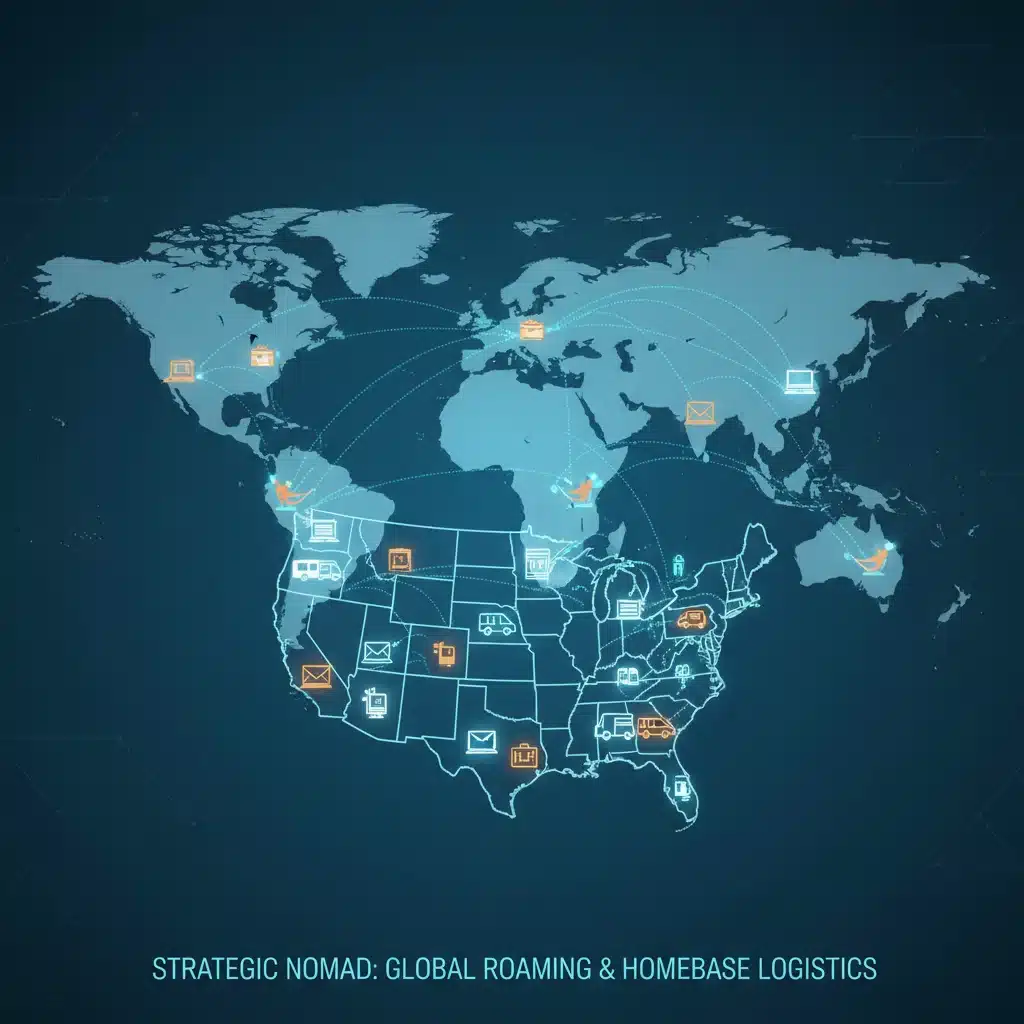
The allure of the nomadic lifestyle – the freedom to explore, work from anywhere, and embrace new cultures – is stronger than ever. However, even the most dedicated wanderers often find themselves needing a solid anchor, a reliable nomad home base in the United States. This isn’t about giving up your minimalist dreams; it’s about smart, strategic planning to manage the practicalities of life while you’re on the move. As we look towards 2026, the landscape of tools and services for digital nomads continues to evolve, offering more sophisticated and seamless solutions for mail, storage, and vehicle management. This comprehensive guide will equip you with the knowledge and strategies to maintain a robust and efficient US home base, ensuring peace of mind no matter where your adventures take you.
Establishing and maintaining a nomad home base isn’t just about having an address; it’s about managing legal obligations, personal belongings, and critical assets like vehicles. Without a proper system, the freedom of nomadism can quickly turn into a logistical nightmare. From receiving important documents to safeguarding sentimental items and keeping your car road-ready, proactive planning is key. Let’s dive into the core pillars of a successful nomad home base strategy for 2026.
Anúncios
Mastering Mail Management: Your Digital Post Office for a Nomad Home Base
One of the most immediate challenges for anyone embracing a nomadic lifestyle is “What do I do with my mail?” In 2026, relying on friends or family is often insufficient and can become burdensome. Thankfully, specialized mail forwarding and virtual mailbox services have perfected the art of remote mail management, making it an indispensable part of your nomad home base strategy.
Virtual Mailbox Services: The Cornerstone of Remote Communication
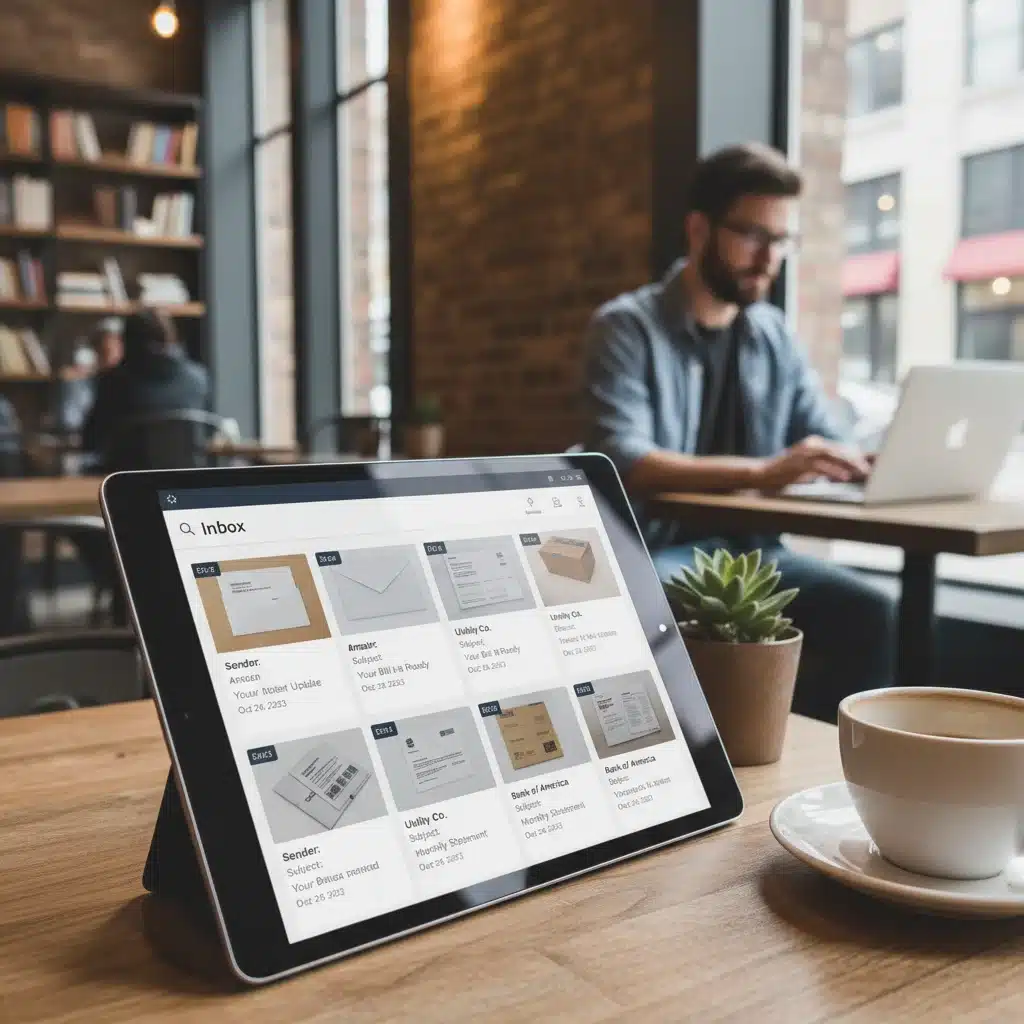
Virtual mailbox services are the ultimate solution for nomads. They provide you with a physical street address in a US state of your choosing, which is crucial for banking, taxes, and vehicle registration. Here’s how they work and what to look for:
- Physical US Address: This is not a P.O. Box, but a legitimate street address, often in a business park or commercial building. This is vital for many official purposes.
- Mail Scanning and Digitization: When mail arrives, the service opens it, scans the contents, and uploads it to a secure online portal accessible from anywhere in the world. You can then read your mail digitally.
- Mail Forwarding: For physical items or original documents you need, you can request forwarding to your current location, a friend’s house, or a storage unit.
- Check Deposit: Many services offer remote check deposit, scanning and depositing checks directly into your bank account.
- Package Handling: Beyond letters, these services can receive packages, often consolidating them or forwarding them as needed.
- Junk Mail Filtering: A significant benefit is the ability to easily discard junk mail without ever seeing it, saving you time and clutter.
Choosing the Right Virtual Mailbox Provider for Your Nomad Home Base
The market for virtual mailboxes is competitive, with several reputable providers. When selecting one, consider these factors:
Anúncios
- Location: Some states are more nomad-friendly for residency purposes (e.g., South Dakota, Florida, Texas). Choosing an address in one of these states can simplify vehicle registration, insurance, and taxes.
- Pricing: Plans vary based on mail volume, scanning limits, and additional services. Compare costs for scanning, forwarding, and storage.
- Features: Look for features like unlimited scans, multiple recipients, check deposit, package consolidation, and integration with other apps.
- Reputation and Security: Read reviews, check their security protocols, and ensure they have a strong track record of reliability and data protection.
- Customer Service: Good customer support is invaluable when you’re dealing with important documents from a different time zone.
Popular providers include Earth Class Mail, Anytime Mailbox, Traveling Mailbox, and PostScan Mail. Each has its nuances, so research is crucial to find the best fit for your specific nomad home base needs.
Optimizing Your Mail Strategy for 2026
To truly optimize your mail management as part of your nomad home base, consider these advanced tips:
- Go Paperless Aggressively: Before you even sign up for a virtual mailbox, switch as many bills, statements, and subscriptions to digital delivery as possible. This minimizes the mail you receive.
- Change Your Address Proactively: Once you have your virtual address, update it with banks, credit card companies, government agencies (IRS, DMV), insurance providers, and any other important entities.
- Set Up Notifications: Configure your virtual mailbox service to send email or app notifications when new mail arrives.
- Regular Review: Make it a habit to log into your virtual mailbox weekly to review new mail and give instructions.
- Legal Considerations: Understand the legal implications of using a virtual address for residency, especially concerning taxes and voting. Consult with an expert if you have complex situations.
Secure Storage Solutions: Protecting Your Valuables at Your Nomad Home Base
Even the most minimalist nomads have items they can’t – or don’t want to – carry with them. From sentimental keepsakes to seasonal clothing, essential documents, or even furniture, secure storage is a critical component of any well-planned nomad home base. The storage landscape has evolved, offering more flexible and secure options than ever before.
Types of Storage for Nomads
- Traditional Self-Storage Units: These are the most common. You rent a unit of a specific size and have exclusive access.
- Climate-Controlled Storage: Essential for sensitive items like electronics, wooden furniture, artwork, or documents, protecting them from extreme temperatures and humidity.
- Containerized Storage: Some companies offer to pick up your belongings, pack them into specialized containers, and store them in secure warehouses. This can be more convenient for larger moves.
- Peer-to-Peer Storage: Platforms connect individuals with spare space (garages, basements) to those needing storage. This can be more affordable but requires careful vetting for security and reliability.
Choosing the Right Storage for Your Nomad Home Base
Several factors should influence your storage decision:
- Location: Ideally, your storage unit should be accessible, perhaps near family or a city you frequently visit. Proximity to your chosen virtual mailbox state can also be beneficial if you need to consolidate items.
- Security: Look for facilities with robust security measures: 24/7 surveillance, gated access, individual unit alarms, and well-lit areas.
- Accessibility: Consider access hours. Do you need 24/7 access, or are standard business hours sufficient?
- Size: Accurately assess how much space you need. Overestimating means paying for unused space; underestimating means cramped units or needing a second one.
- Climate Control: Determine if your items require climate control. It’s often worth the extra cost for peace of mind.
- Insurance: Most storage facilities offer or require you to have insurance for your stored items. Review your homeowner’s or renter’s insurance policy to see if it covers items in storage, or purchase a separate policy.
- Cost: Compare rates from different providers. Look for promotional offers, but be aware of potential rate increases after an introductory period.
Major players like Public Storage, Extra Space Storage, and CubeSmart offer widespread locations and various options. Smaller, local facilities might offer more personalized service.
Strategic Packing and Organization for Your Nomad Home Base Storage
How you pack and organize your storage unit significantly impacts its efficiency and your peace of mind:
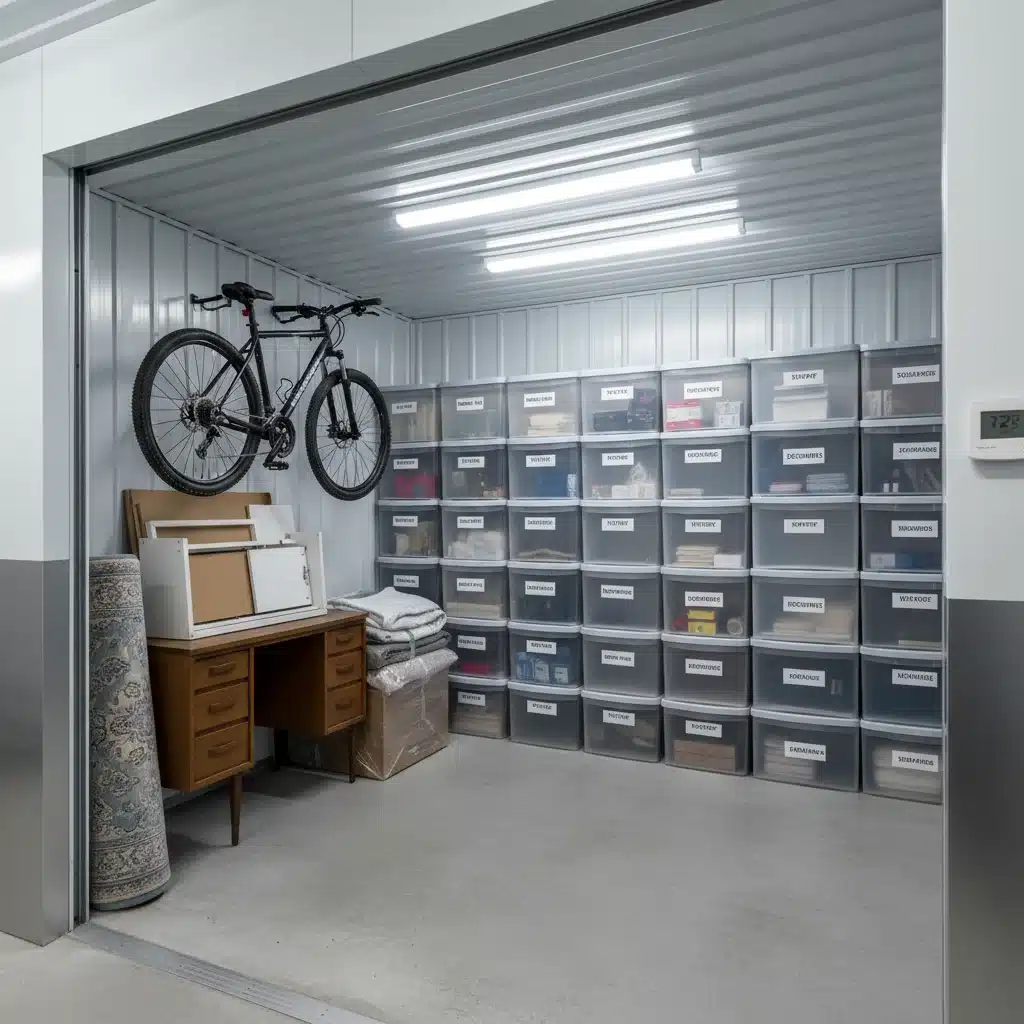
- Inventory Everything: Create a detailed inventory of all items, preferably with photos. This is invaluable for insurance claims and remembering what you have.
- Label Boxes Clearly: Use large, clear labels on multiple sides of boxes, indicating contents and fragility.
- Use Quality Packing Materials: Invest in sturdy boxes, bubble wrap, and packing paper to protect your belongings.
- Disassemble Furniture: To save space, take apart large furniture pieces. Store screws and hardware in labeled bags attached to the corresponding item.
- Maximize Vertical Space: Stack boxes safely and use shelving if permitted to utilize the full height of your unit.
- Create an Aisle: If your unit is large, leave an aisle for easy access to items at the back.
- Store Important Documents Securely: Keep critical papers (birth certificates, passports, financial records) in a fireproof, waterproof safe or box within your unit, or consider digitizing them and storing originals in a bank safe deposit box.
- Pest Control: Ensure the facility has good pest control, and consider placing natural repellents in your unit.
Vehicle Management: Keeping Your Ride Ready While You Roam
For many nomads, a vehicle – whether it’s a car, RV, or motorcycle – is an integral part of their identity and travel plans. Managing a vehicle while you’re away from your nomad home base requires careful planning to avoid depreciation, maintenance issues, and legal complications.
Vehicle Storage Options
- Family/Friend’s Property: The most cost-effective solution if you have trusted individuals with available space (garage, driveway). Ensure they understand the care required.
- Dedicated Vehicle Storage Facilities: These are often climate-controlled and offer enhanced security, ideal for classic cars or long-term storage.
- Self-Storage Units: Many larger self-storage facilities have units big enough for vehicles, or dedicated outdoor parking spots. Check their rules and ensure adequate security.
- Airport Long-Term Parking: Only suitable for very short periods, as costs accrue quickly and security might be minimal.
Pre-Storage Vehicle Preparation
Proper preparation is crucial to prevent damage and ensure your vehicle starts up smoothly when you return to your nomad home base:
- Thorough Cleaning: Wash and wax the exterior, and thoroughly clean the interior to prevent mold, mildew, and odors. Remove all food items.
- Fluid Levels: Top off all fluids (oil, coolant, brake fluid, power steering fluid). Consider an oil change before storage.
- Fuel Tank: Fill the fuel tank completely to prevent moisture buildup and rust. Add a fuel stabilizer according to product instructions.
- Battery Care: Disconnect the battery or use a trickle charger/battery tender to prevent it from dying.
- Tires: Overinflate tires by about 5-10 PSI to prevent flat spots, or place the car on jack stands if storing for an extended period.
- Pest Control: Block exhaust pipes and air intakes with steel wool or rags to deter rodents. Place dryer sheets or natural repellents inside the vehicle.
- Cover: Use a breathable car cover to protect against dust, dirt, and minor scratches.
- Documentation: Keep all vehicle documents (registration, title, insurance) in a secure, accessible place, possibly with your virtual mailbox service or personal safe.
Insurance and Registration for Your Nomad Home Base Vehicle
This is a critical legal aspect of vehicle management for nomads:
- Insurance: Do not cancel your insurance, even if the car is stored. You need comprehensive coverage to protect against theft, fire, and other damages while it’s not being driven. Some insurers offer "storage insurance" or reduced premiums for vehicles not in active use. Discuss your nomadic situation with your insurance provider.
- Registration: Your vehicle must remain registered in a US state, typically the one associated with your nomad home base virtual address. Ensure you understand the renewal process and how to receive stickers or new plates via your mail service. Some states (like South Dakota) are particularly friendly for vehicle registration for full-time travelers.
- Smog/Emissions Checks: Be aware of any state-mandated inspections. You might need to return to your home base state or arrange for a temporary exemption if you’re out of state during the renewal period.
Post-Storage Vehicle Revival
When you return to your nomad home base and retrieve your vehicle:
- Check Fluids and Tires: Verify all fluid levels and tire pressure.
- Reconnect Battery: Reconnect the battery and ensure it holds a charge.
- Inspect for Pests: Check under the hood and in the interior for any signs of pest activity.
- First Start: Start the engine and let it run for a few minutes. Listen for any unusual noises.
- Test Brakes and Lights: Before driving, ensure brakes, lights, and turn signals are fully functional.
- Short Drive: Take a short, gentle drive to allow the vehicle to warm up and all systems to re-engage.
Legal and Financial Considerations for Your Nomad Home Base
Beyond mail, storage, and vehicles, maintaining a nomad home base involves several crucial legal and financial considerations that impact your long-term success and peace of mind.
Establishing Residency for Your Nomad Home Base
Choosing a state for your residency is one of the most significant decisions for a digital nomad. Your state of residency determines your tax obligations, voting rights, vehicle registration, driver’s license, and even health insurance options. States like South Dakota, Florida, and Texas are popular choices due to their:
- No State Income Tax: A major financial advantage.
- Nomad-Friendly Policies: Simplified processes for establishing residency with a virtual mailbox address.
- Lower Vehicle Insurance: Often more affordable than in other states.
To establish residency, you typically need to:
- Use a virtual mailbox address in that state.
- Obtain a driver’s license from that state.
- Register your vehicles in that state.
- Register to vote in that state.
- Transfer bank accounts or open new ones with your new address.
It’s crucial to understand that merely having a virtual address isn’t enough; you need to demonstrate a genuine intent to make that state your legal domicile. Consult with a legal or tax professional specializing in nomadic lifestyles to ensure compliance.
Taxes and Your Nomad Home Base
Taxation for digital nomads can be complex, especially with varying state laws and international income. Your nomad home base state of residency plays a significant role in your state tax obligations. Even if you’re abroad, you’ll likely still have federal tax obligations to the US. Key considerations include:
- State Income Tax: As mentioned, choosing a state without income tax can save you money.
- Foreign Earned Income Exclusion (FEIE): If you meet certain criteria (physical presence test or bona fide residence test), you can exclude a significant portion of your foreign-earned income from federal taxes.
- Sales Tax & Property Tax: These vary by state and locality and can impact other aspects of your financial planning.
- Business Taxes: If you run a business, understand where it’s registered and how that impacts your tax filings.
It is highly recommended to work with a tax accountant who has experience with digital nomads and international taxation to ensure you remain compliant and optimize your tax strategy.
Banking and Financial Management
Maintaining access to your finances while abroad is paramount. Your nomad home base address will be linked to your bank accounts and credit cards. Ensure your bank is nomad-friendly:
- Virtual Mailbox Address: Confirm your bank accepts a virtual mailbox address for official correspondence.
- Online Banking and Mobile Apps: Essential for managing your accounts from anywhere.
- Fee-Free ATMs: Look for banks that offer fee-free international ATM withdrawals or reimburse foreign ATM fees.
- Travel Notifications: Always inform your bank and credit card companies of your travel plans to prevent fraud alerts and card freezing.
- Backup Cards: Carry multiple credit and debit cards from different banks, stored separately, in case one is lost, stolen, or compromised.
Healthcare and Insurance
Healthcare is a critical and often overlooked aspect of nomadic life. Your nomad home base state of residency will influence your eligibility for certain health insurance plans on the ACA marketplace. However, many nomads opt for specialized travel insurance that includes medical coverage for emergencies abroad.
- Travel Medical Insurance: Provides coverage for unexpected medical emergencies, accidents, and sometimes even medical evacuation. Companies like SafetyWing, World Nomads, and IMG Global offer plans tailored for long-term travelers.
- Telemedicine: Utilize virtual doctor visits for non-emergency health concerns, often covered by travel insurance or available through separate subscriptions.
- Prescription Management: Ensure you have a strategy for refilling prescriptions, whether through mail-order pharmacies to your virtual mailbox or by carrying sufficient supplies.
Building Your Nomad Home Base Network and Emergency Plans
Even with the best digital tools, there will be times when you need a physical presence or a helping hand. Cultivating a reliable network and having robust emergency plans are invaluable aspects of your nomad home base strategy.
Trusted Contacts and "Home Base Helpers"
While virtual services handle much of the logistics, having a few trusted individuals at your nomad home base can be a lifesaver:
- Emergency Contact: Designate a reliable person who can act on your behalf for urgent matters, such as accessing your storage unit if needed, or receiving critical forwarded mail.
- Vehicle Caretaker: If you’re not using a commercial storage facility, a friend or family member who can periodically check on your vehicle, start it, or move it can prevent long-term issues.
- Key Holder: For any physical assets you might have (even a safety deposit box), having a trusted key holder can provide an extra layer of security and access.
Clearly define roles, responsibilities, and access permissions with these individuals. Ensure they have necessary contact information and understand your wishes.
Digital Redundancy and Data Security
Your nomad home base isn’t just physical; it’s also digital. Protecting your data is paramount:
- Cloud Backups: Ensure all important documents, photos, and files are regularly backed up to multiple cloud services (e.g., Google Drive, Dropbox, OneDrive) and consider an external hard drive stored securely at your physical home base.
- Strong Passwords and Two-Factor Authentication (2FA): Implement robust security practices for all your online accounts, especially those related to banking, mail, and personal data.
- VPN Usage: Always use a Virtual Private Network (VPN) when connecting to public Wi-Fi networks to protect your sensitive information.
- Digital Will/Emergency Access: Consider setting up a digital will or a system for trusted individuals to access your critical digital accounts in case of an emergency.
Emergency Funds and Contingency Planning
Unexpected events can happen anywhere. Your nomad home base strategy should include financial preparedness:
- Emergency Fund: Maintain a dedicated emergency fund, ideally 3-6 months of living expenses, in an easily accessible account.
- Multiple Payment Methods: As mentioned, have several credit and debit cards, and consider carrying a small amount of emergency cash in different currencies.
- Travel Insurance: This is your safety net for medical emergencies, trip cancellations, lost luggage, and more. Do not travel without it.
- Return Plan: Have a rough idea of how you would return to your nomad home base if an emergency required it, including funds for last-minute flights.
The Future of Your Nomad Home Base in 2026 and Beyond
As technology advances and the nomadic lifestyle becomes more mainstream, the services and strategies for maintaining a nomad home base will continue to evolve. We can anticipate even more integrated platforms that combine mail, financial management, and perhaps even AI-driven assistance for legal and tax compliance.
The key to long-term success as a digital nomad is adaptability and proactive planning. Regularly review your home base setup – at least annually – to ensure it still meets your needs, especially as your travel patterns, financial situation, or legal requirements change. Stay informed about new services and regulatory updates that could impact your residency, taxes, or vehicle management.
Embracing the nomadic life doesn’t mean forsaking responsibility; it means redefining it. By strategically leveraging the best tools and practices for mail management, secure storage, and vehicle care, you empower yourself to travel further, live richer, and truly enjoy the freedom that comes with knowing your nomad home base is always secure and well-managed, no matter where in the world you are.