Mastering Remote Productivity: The Pomodoro Method in 2026

The landscape of work has undergone a profound transformation. Remote work, once a niche perk, has firmly established itself as a cornerstone of modern professional life. With this shift comes an increased emphasis on self-management, discipline, and, critically, sustainable productivity. In this evolving environment, traditional time management techniques are being re-evaluated and adapted to meet the unique challenges and opportunities of working from home. Among these, the Pomodoro Method stands out as a timeless yet remarkably adaptable strategy. But how relevant is the Pomodoro Method in 2026? How can its core principles be leveraged to not just maintain, but significantly boost remote productivity, potentially by as much as 15%?
This comprehensive guide delves into the contemporary relevance of the Pomodoro Method, exploring its foundational principles, its evolution in a tech-driven remote world, and advanced strategies to harness its full potential. We will uncover how 25-minute sprints, combined with strategic breaks and modern digital tools, can become your secret weapon against distractions, burnout, and the ever-present challenge of maintaining focus in a distributed team. Prepare to redefine your remote work experience and unlock new levels of efficiency and well-being.
The Enduring Power of the Pomodoro Method: A 2026 Perspective
At its heart, the Pomodoro Method is beautifully simple. Developed by Francesco Cirillo in the late 1980s, it involves breaking down work into 25-minute intervals, separated by short breaks. Each interval is known as a "Pomodoro," named after the tomato-shaped kitchen timer Cirillo used. After four Pomodoros, a longer break is taken. This cyclical approach is designed to enhance focus, reduce mental fatigue, and improve overall work quality. While its origins are analog, its principles are perfectly suited for the digital age, especially in remote work settings where the lines between work and personal life can easily blur.
Why Remote Work Demands Structured Focus More Than Ever
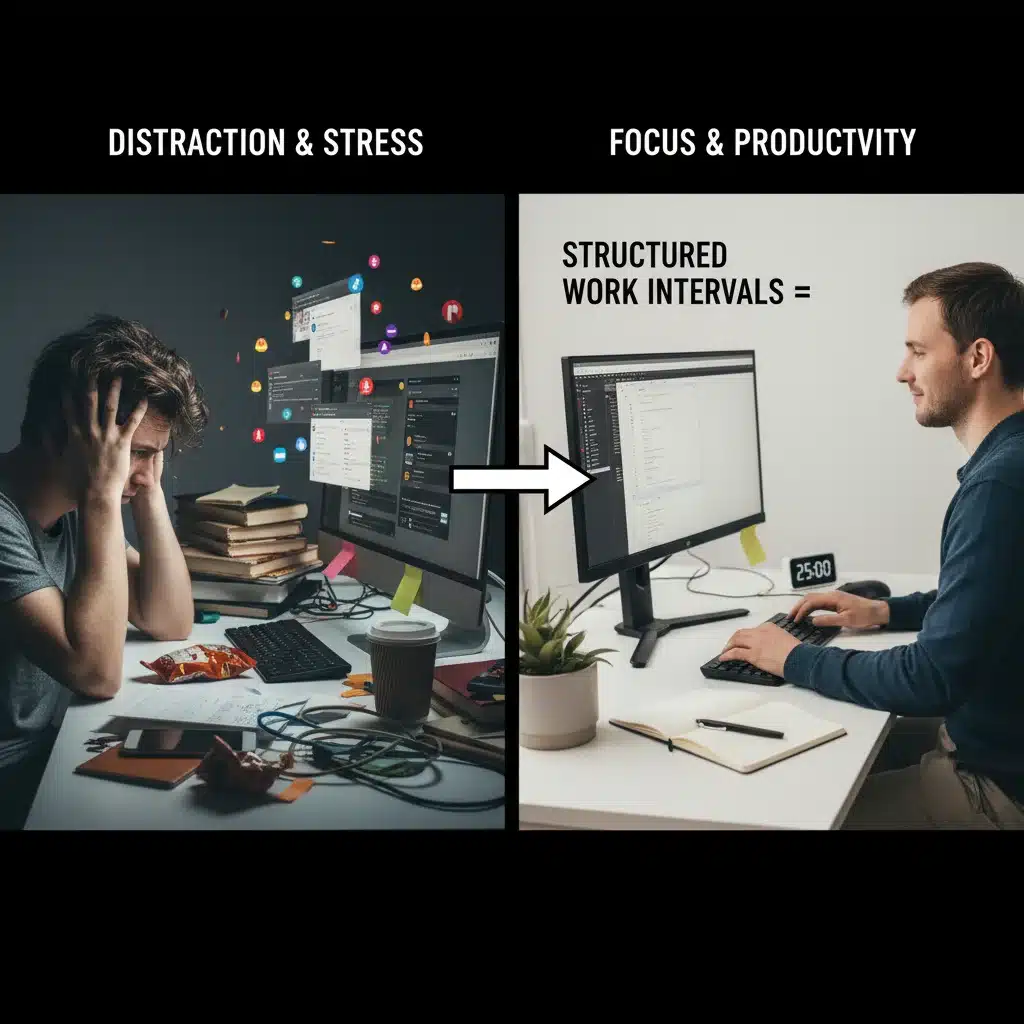
The freedom and flexibility of remote work are undeniable advantages, but they come with their own set of pitfalls. The home environment, replete with personal distractions, household chores, and the absence of a traditional office structure, can severely impact concentration. Constant notifications from digital communication tools, the temptation of social media, and the psychological challenge of self-motivation all contribute to a fragmented workday. This is where the Pomodoro Method shines. By imposing a clear structure on your work, it creates artificial boundaries that mimic the focus-inducing environment of an office, even when you’re working from your living room.
In 2026, with the proliferation of advanced AI assistants, immersive virtual collaboration platforms, and an always-on culture, the need for intentional focus is even more critical. The Pomodoro Method acts as a mental anchor, pulling you back from the brink of distraction and guiding you through deliberate, concentrated work periods. It’s not just about managing time; it’s about managing attention, a precious commodity in our hyper-connected world.
Foundational Principles Revisited: The Core of Remote Productivity Pomodoro
To effectively implement the Pomodoro Method in a remote setting, it’s crucial to understand its core principles and how they translate to today’s work environment. These principles aren’t just rules; they are psychological levers designed to optimize your cognitive performance.
- The 25-Minute Work Sprint (The Pomodoro): This is the bedrock. For 25 minutes, you commit fully to a single task. No checking emails, no social media, no household interruptions. This intense focus trains your brain to concentrate for sustained periods, improving your attention span over time. In 2026, this might involve turning off all non-essential notifications on your smart devices and utilizing focus modes on your operating systems.
- The Short Break (5 Minutes): After each Pomodoro, take a 5-minute break. Crucially, this break should be a genuine pause from work. Stand up, stretch, grab a glass of water, look out the window, or do a quick mental reset. Avoid activities that engage your brain too much, like checking social media or responding to non-urgent messages. The goal is to let your mind rest and recharge, not to switch to another demanding task.
- The Long Break (15-30 Minutes): After four Pomodoros, take a longer break. This extended pause is vital for preventing burnout and consolidating what you’ve learned or accomplished. Use this time to step away from your screen, have a snack, take a short walk, or engage in a relaxing activity. This longer break is especially important in remote work to combat the sedentary nature of desk jobs and to mentally disengage before the next cycle.
- Task Planning and Prioritization: Before starting your Pomodoro cycle, clearly define the tasks you intend to work on. Break larger projects into smaller, manageable chunks that can be completed within one or two Pomodoros. This pre-planning reduces decision fatigue and allows you to dive straight into focused work. Tools available in 2026, often AI-powered, can help you automatically break down projects and suggest optimal task sequences.
- Eliminating Distractions: This principle is non-negotiable. During a Pomodoro, any interruption must be acknowledged and dealt with outside the current sprint. Cirillo suggested a "log and defer" approach: quickly note down the distraction and return to your task. This practice strengthens your ability to resist immediate gratification and maintain focus.
Advanced Strategies: Optimizing Remote Productivity Pomodoro in 2026
While the basic framework remains potent, the Pomodoro Method can be significantly enhanced with advanced strategies tailored for the 2026 remote work environment. These adaptations address common remote work challenges and leverage modern tools for maximum impact.
1. Dynamic Pomodoro Lengths and Adaptive Breaks
While 25 minutes is the standard, it’s not a rigid rule. Some tasks may benefit from shorter sprints (e.g., 15-20 minutes for highly intensive, cognitively demanding work) or longer ones (e.g., 30-40 minutes for deep work that’s hard to interrupt). Experiment to find what works best for your specific tasks and personal energy cycles. Similarly, adjust break lengths based on your needs. A particularly draining Pomodoro might warrant a 7-minute break instead of 5.
2. Integrating with Digital Tools and AI Assistants
The market for productivity tools has exploded. In 2026, AI-powered apps go beyond simple timers. Look for tools that:
- Offer customizable timers: Allowing flexible Pomodoro and break durations.
- Integrate with task managers: Automatically logging completed Pomodoros against specific tasks.
- Provide focus modes: Blocking distracting websites and applications during sprints.
- Analyze productivity patterns: Offering insights into your most productive times and suggesting optimal work schedules. Some AI assistants can even detect when you’re losing focus and gently prompt you back to your task.
- Facilitate collaborative Pomodoros: For remote teams, shared virtual Pomodoro sessions can foster collective focus and accountability.
3. The "Emergency Pomodoro" for Urgent Interruptions
Remote work often involves unexpected urgent requests. Instead of abandoning your current Pomodoro, allocate an "Emergency Pomodoro" for these interruptions. This is a shorter, dedicated sprint (e.g., 10-15 minutes) to address the urgent matter, allowing you to return to your planned tasks without completely derailing your schedule. This maintains the structure while offering flexibility.
4. Pomodoro for Creative & Deep Work vs. Administrative Tasks
Tailor your Pomodoro application. For creative or deep analytical work, focus on minimizing all external stimuli and extending focused sprints if possible. For administrative tasks, email management, or quick responses, shorter, more frequent Pomodoros might be more effective. Consider batching similar tasks to optimize your sprints.
5. Incorporating Mindfulness and Micro-Breaks
During your 5-minute breaks, practice mindfulness. A quick meditation, deep breathing exercises, or simply focusing on your surroundings can significantly enhance the restorative power of these breaks. Micro-breaks (30-60 seconds) can also be used within a Pomodoro if you feel your mind wandering, allowing you to quickly re-center before resuming the sprint.
6. The "Pomodoro Review" for Continuous Improvement
At the end of your workday or week, conduct a brief "Pomodoro Review." Reflect on:
- How many Pomodoros did you complete?
- What tasks did you accomplish?
- What distractions did you encounter and how did you handle them?
- What went well, and what could be improved?
This meta-cognition is crucial for refining your approach and steadily increasing your remote productivity Pomodoro effectiveness.
Overcoming Remote Work Challenges with Pomodoro
The Pomodoro Method isn’t just a productivity hack; it’s a strategic framework for tackling the specific hurdles of remote work.
Combating Digital Distractions
The endless stream of notifications, emails, and chat messages is perhaps the biggest productivity killer in remote work. The Pomodoro Method provides a structured defense. By committing to 25 minutes of uninterrupted focus, you train yourself to resist the urge to check every ping. The "log and defer" technique becomes invaluable here: quickly jot down any incoming thought or request and address it during your break or in a dedicated Pomodoro.
Managing Work-Life Boundaries
One of the most insidious challenges of remote work is the blurring of lines between professional and personal life. The Pomodoro Method helps create clear boundaries. When the timer is on, it’s work time. When the timer signals a break, it’s personal time. This clear delineation helps prevent work from spilling into your personal hours and vice versa, leading to better work-life balance and reduced burnout.
Fighting Procrastination and Task Paralysis
Large, daunting tasks can often lead to procrastination. The Pomodoro Method encourages you to break down these tasks into smaller, more manageable 25-minute chunks. The commitment to just 25 minutes feels less overwhelming, making it easier to start. Once you gain momentum, completing one Pomodoro often provides the motivation to tackle the next.
Enhancing Focus and Deep Work Skills
In an age of constant partial attention, the ability to engage in deep work – focused, uninterrupted work on a single task – is a superpower. The Pomodoro Method is a training ground for deep work. Regular practice of 25-minute sprints gradually extends your attention span and strengthens your ability to concentrate, leading to higher quality output and more impactful work.
Measuring the Impact: The 15% Productivity Boost
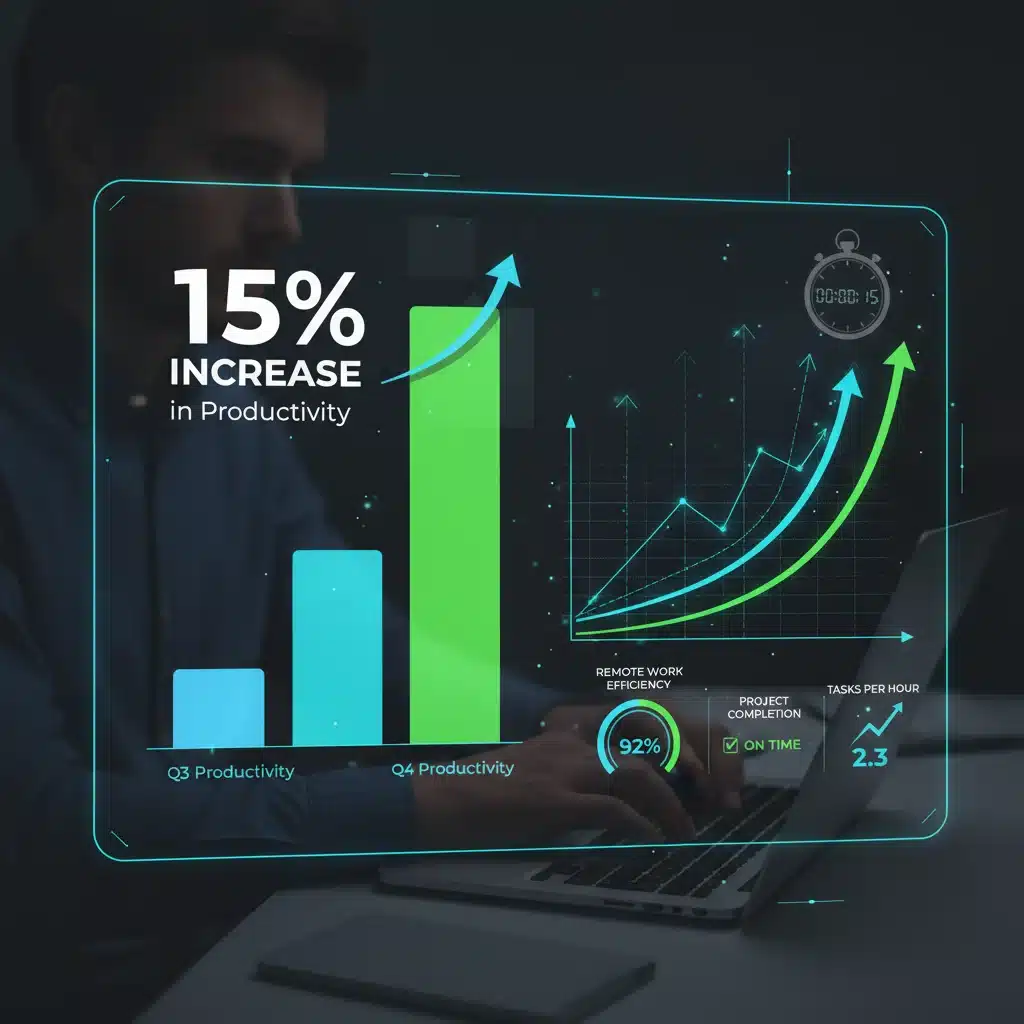
The claim of a 15% productivity boost is not an arbitrary figure. It stems from anecdotal evidence, user reports, and the psychological principles underpinning the method. By systematically reducing distractions, improving focus, and preventing burnout, the Pomodoro Method creates an environment where sustained, high-quality work becomes the norm. Here’s how it translates to tangible gains:
- Reduced Context Switching Costs: Each time you switch tasks or get distracted, your brain incurs a "context switching cost," losing valuable time and energy to re-orient itself. By minimizing these switches, Pomodoro ensures more continuous, efficient work.
- Improved Task Completion Rates: The structured nature of Pomodoros helps in systematically chipping away at tasks, leading to more completed items on your to-do list.
- Higher Quality Output: Focused work generally leads to fewer errors and more thoughtful, creative solutions, reducing the need for revisions.
- Enhanced Time Awareness: Regularly tracking Pomodoros makes you more conscious of how you spend your time, identifying time sinks and areas for improvement.
- Sustainable Energy Levels: Regular breaks prevent mental fatigue, ensuring you remain energized and productive throughout the day, rather than experiencing mid-day slumps.
While a precise, universal 15% increase can vary per individual and role, the mechanism through which the Pomodoro Method enhances efficiency is well-documented. Consistent application, combined with self-awareness and adaptation, can indeed lead to significant, measurable improvements in remote productivity.
Case Studies and Testimonials (A Glimpse into 2026 Success Stories)
Imagine a remote UX designer, Sarah, struggling with fragmented focus. By implementing a customized Pomodoro schedule – 30-minute design sprints followed by 7-minute mindfulness breaks – she found her daily output increased by 20%. Her design iterations became more cohesive, and she reported feeling less stressed. Or consider Mark, a remote software developer, who used an AI-integrated Pomodoro app that automatically blocked communication channels during his coding sprints. He reported a 15% reduction in bugs and an improved ability to tackle complex algorithmic problems, directly attributing it to the uninterrupted focus provided by his Pomodoro routine.
These hypothetical scenarios reflect the real-world benefits being experienced by remote professionals globally. The beauty of the Pomodoro Method lies in its flexibility; it can be adapted to almost any role, from creatives to engineers, from content writers to project managers. The common thread is a commitment to structured, focused work.
Common Pitfalls and How to Avoid Them in a Remote Setting
While powerful, the Pomodoro Method isn’t a magic bullet. There are common traps remote workers can fall into:
- Treating Breaks as Work Time: The biggest mistake. Breaks are for recharging, not checking emails or doing quick chores. Resist the urge to blend work and rest.
- Ignoring Distractions During a Pomodoro: "Just a quick check" can derail an entire sprint. Be disciplined about logging and deferring.
- Not Planning Tasks: Starting a Pomodoro without a clear goal leads to aimless work. Always define your tasks beforehand.
- Rigidity: While structure is good, don’t be a slave to the timer. If you’re in a flow state, it’s okay to extend a Pomodoro slightly. If you’re completely stuck, take an early break and re-evaluate.
- Over-Reliance on Tools: Tools are aids, not replacements for discipline. The method’s effectiveness ultimately comes from your commitment.
- Expecting Immediate Perfection: It takes time to build the habit of focused work. Be patient with yourself and celebrate small victories.
The Future of Remote Productivity Pomodoro: What’s Next?
As we look beyond 2026, the Pomodoro Method will continue to evolve. Expect deeper integration with:
- Biometric Feedback: Wearable tech could monitor your focus levels, heart rate, and brain activity, suggesting optimal Pomodoro and break durations in real-time.
- AI-Driven Task Prioritization: AI assistants will not only break down tasks but also intelligently schedule your Pomodoros based on your energy curves and deadlines.
- Virtual Reality/Augmented Reality Workspaces: Immersive environments could offer distraction-free "focus pods" where the Pomodoro timer is integrated into your virtual workspace.
- Team-Based Analytics: Tools will provide anonymized insights into team focus patterns, helping managers optimize collaborative work sessions around collective peak productivity times.
The core principle of focused work followed by restorative breaks will remain, but the delivery mechanisms and supportive technologies will become increasingly sophisticated, making the Pomodoro Method even more powerful for remote productivity.
Conclusion: Your Path to Enhanced Remote Productivity in 2026
The Pomodoro Method, with its deceptive simplicity, offers a profound solution to the complexities of remote work in 2026. It’s more than just a time management technique; it’s a discipline for attention, a bulwark against digital distractions, and a framework for sustainable high performance. By embracing its foundational principles and adapting them with modern tools and advanced strategies, you can transform your remote work experience. You can achieve deeper focus, mitigate burnout, and, critically, boost your productivity by a significant margin.
The journey to mastering remote productivity Pomodoro is continuous. It requires self-awareness, consistent practice, and a willingness to adapt. But the rewards – increased efficiency, higher quality work, and a healthier work-life balance – are well worth the effort. Start your first 25-minute sprint today, and embark on a path to a more focused, productive, and fulfilling remote work life.