Maintaining Social Connections While Nomading in the US: Strategies for 2026
Anúncios
Maintaining Social Connections While Nomading in the US: Strategies for 2026
The allure of the digital nomad lifestyle in the United States is undeniable. The freedom to explore diverse landscapes, experience different cultures, and work from anywhere with an internet connection fuels the dreams of many. However, beneath the surface of stunning Instagram feeds and adventurous road trips lies a crucial challenge: maintaining meaningful nomad social connections. As we navigate 2026, the landscape of remote work and travel continues to evolve, making strategic approaches to social well-being more important than ever. This comprehensive guide will delve into practical, actionable strategies for digital nomads to foster and sustain a robust social life while exploring the vastness of the US.
The romanticized image of the lone wolf nomad, always on the move, can often overshadow the very real human need for connection. Isolation, loneliness, and a sense of rootlessness are common pitfalls for those who don’t actively prioritize their social well-being. But it doesn’t have to be this way. With the right mindset and a proactive approach, digital nomads can build thriving communities, deepen existing relationships, and ensure their journey is not just adventurous, but also socially rich and fulfilling. This article aims to provide a roadmap for achieving just that, focusing on current trends and future-proof strategies for nomad social connections in the US.
Understanding the Unique Challenges of Nomad Social Connections
Before diving into solutions, it’s essential to acknowledge the specific hurdles digital nomads face when it comes to social interaction. Unlike traditional lifestyles where social circles are often built around stable geography, workplaces, and long-term residency, nomading inherently involves fluidity and change. This constant flux can make it difficult to establish deep roots and maintain consistent relationships.
Anúncios
Geographic Instability and Transience
One of the primary challenges is the inherent transience of the nomadic lifestyle. Moving from city to city, state to state, or even just different campsites, means that nascent friendships can be cut short. The effort required to build new connections repeatedly can be exhausting, leading some to withdraw or become hesitant to invest in new relationships.
Time Zone Differences and Scheduling Conflicts
For those maintaining connections with friends and family back home, time zone differences across the expansive US can be a significant barrier. A morning coffee chat for you might be late evening for them, making spontaneous interactions difficult and requiring more deliberate planning.
Lack of Built-in Social Structures
Traditional life often provides built-in social structures: colleagues at an office, neighbors, gym buddies, or parents at school events. Digital nomads, particularly those working independently, often lack these automatic social touchpoints. This necessitates a more intentional and proactive approach to finding and engaging with others.
Anúncios
Varying Lifestyles and Interests
While the digital nomad community is growing, finding individuals with truly aligned interests and travel styles in every new location can still be a hit-or-miss affair. Some nomads prefer urban exploration, others wilderness adventures, and these differences can sometimes make it harder to form immediate bonds.
Leveraging Technology for Stronger Nomad Social Connections in 2026
In 2026, technology is more than just a tool for work; it’s a lifeline for maintaining and forging nomad social connections. The advancements in communication platforms and virtual reality (VR) offer unprecedented opportunities for connection, regardless of physical distance.
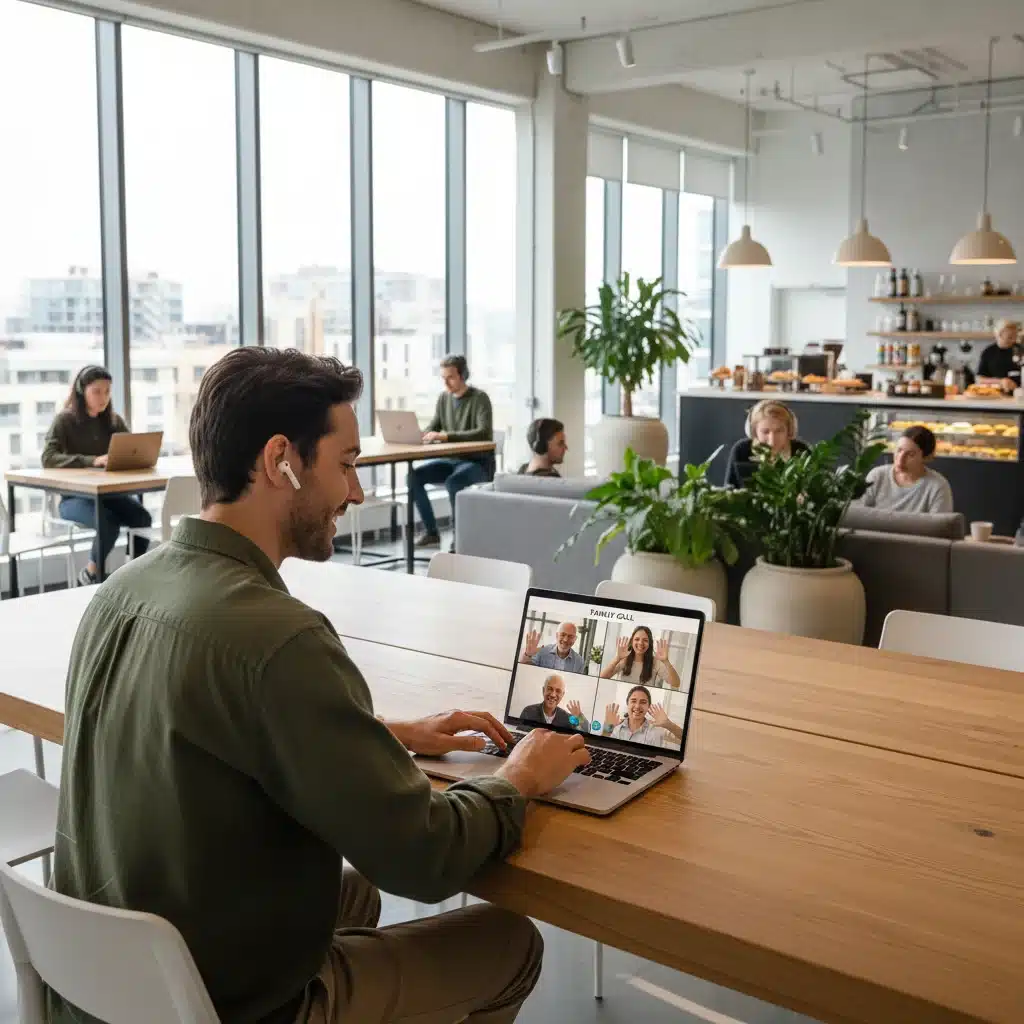
Advanced Video Conferencing and Virtual Hangouts
Beyond standard video calls, platforms are becoming increasingly sophisticated. Expect more immersive virtual hangouts that mimic real-life interactions. Consider:
- Dedicated Virtual Coffee Dates: Schedule regular, informal video calls with friends and family. Treat them like actual coffee dates, focusing on conversation rather than just updates.
- Themed Virtual Gatherings: Host or join virtual game nights, book clubs, or movie watch parties with friends from different locations. Tools that allow synchronized viewing and real-time chat enhance the experience.
- VR Social Spaces: As VR technology becomes more accessible, exploring social VR platforms can offer a sense of shared presence that traditional video calls lack. Imagine meeting friends in a virtual cafe or exploring a digital art gallery together.
Community-Specific Apps and Platforms
The digital nomad ecosystem has spawned numerous apps and online communities designed specifically for connecting like-minded individuals. These are invaluable resources for building nomad social connections.
- Nomad-Focused Social Networks: Platforms like Nomad List, Remote Year, and specialized Facebook groups (e.g., ‘Digital Nomads USA’) allow you to connect with other nomads in your current or upcoming locations. These often feature local meetups, events, and advice forums.
- Interest-Based Apps: Utilize apps like Meetup.com, Eventbrite, or local community forums to find groups and events aligned with your hobbies, whether it’s hiking, photography, coding, or board games.
- Co-working Space Apps: Many co-working spaces have their own internal apps or communication channels, facilitating connections among members.
Leveraging Social Media Strategically
While often criticized for superficiality, social media can be a powerful tool for maintaining nomad social connections when used intentionally.
- Engage Actively: Don’t just passively scroll. Comment on friends’ posts, send direct messages, and share relevant content. Make it a two-way street.
- Share Your Journey: Sharing your experiences can invite conversation and keep your network updated on your whereabouts and adventures, making it easier for them to reach out.
- Create Private Groups: For closer friends and family, create private messaging groups to share more personal updates, photos, and quick check-ins.
Building New Nomad Social Connections On The Ground
While technology bridges distances, nothing quite replaces the richness of in-person interaction. Actively seeking out and engaging with communities in your current location is paramount for robust nomad social connections.
Co-working Spaces and Cafes
These are natural hubs for remote workers and an excellent starting point for meeting other nomads and locals.
- Dedicated Co-working Spaces: Many cities across the US have vibrant coworking spaces. Opting for a day pass or a monthly membership not only provides a productive environment but also opens doors to networking events, workshops, and casual conversations. Look for spaces that actively foster community.
- Nomad-Friendly Cafes: Identify cafes that attract remote workers. These often have good Wi-Fi, ample power outlets, and a generally conducive atmosphere for striking up conversations with fellow patrons.
- Attend Events: Keep an eye out for any social events, workshops, or happy hours hosted by co-working spaces or cafes.
Local Meetups and Interest Groups
Beyond the nomad sphere, integrating into local communities is vital for a well-rounded social experience.
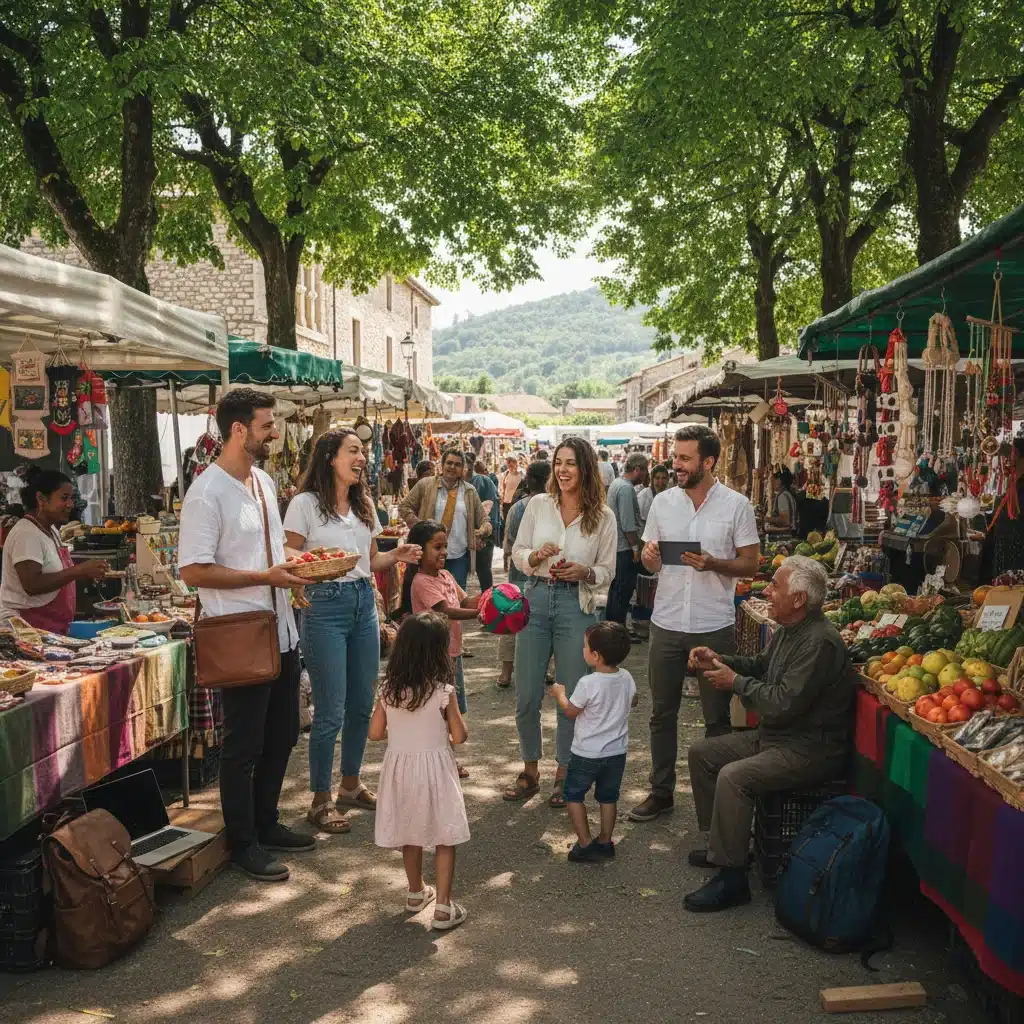
- Meetup.com and Local Event Listings: Search for groups related to your hobbies – hiking, photography, board games, language exchange, fitness, etc. Attending these regularly can lead to genuine friendships.
- Volunteer Opportunities: Engaging in local volunteer work is a fantastic way to meet altruistic individuals, contribute to the community, and gain a deeper understanding of your temporary home.
- Classes and Workshops: Sign up for a local cooking class, an art workshop, a dance lesson, or a coding bootcamp. Shared learning experiences are excellent for bonding.
Embracing Travel-Specific Social Opportunities
The very act of traveling presents unique opportunities for nomad social connections.
- Hostels and Guesthouses with Common Areas: Even if you prefer private accommodations, consider spending a night or two in a well-regarded hostel with a social common area. Many now cater to digital nomads.
- Group Tours and Activities: Join a local walking tour, a food tour, or an adventure excursion. These are often designed to encourage interaction among participants.
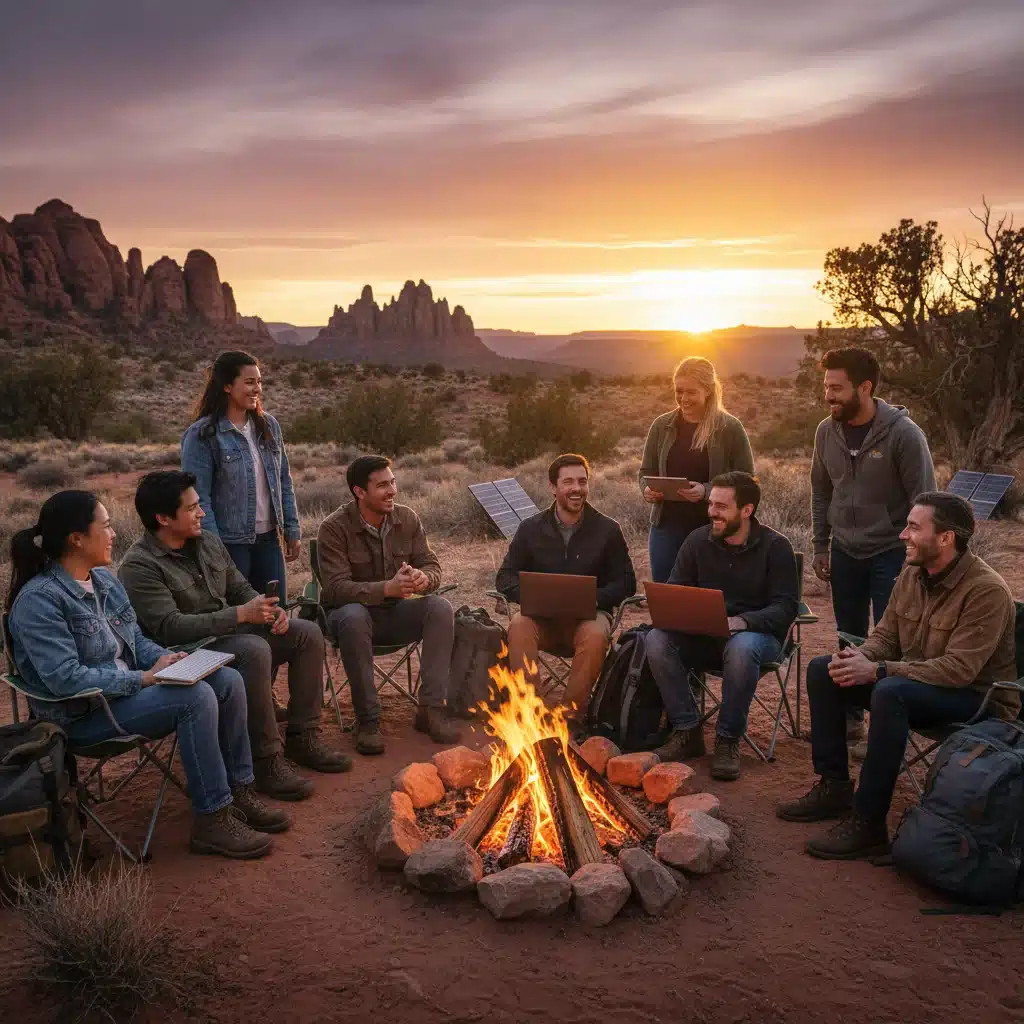
- RV Parks and Campgrounds: For van lifers and RV nomads, these spots often foster a strong sense of community. Participate in communal activities, strike up conversations with neighbors, and share tips.
- Co-living Spaces: The rise of co-living spaces specifically designed for digital nomads in major US cities provides a built-in community. These often come with shared amenities and organized social events.
Nurturing Existing Relationships from Afar
While building new connections is important, don’t neglect the relationships you already have. Maintaining these ties requires effort and intentionality, especially with the challenges of distance and time zones.
Scheduled Check-ins and Rituals
Spontaneity is difficult across distances, so scheduling regular check-ins can be incredibly effective for nomad social connections.
- Weekly or Bi-weekly Video Calls: Set up recurring video calls with close friends and family. Treat these as non-negotiable appointments.
- Shared Online Activities: Play online games together, watch movies simultaneously using streaming extensions, or even collaborate on creative projects.
- Digital Postcards and Updates: Instead of just a quick text, send personalized video messages, voice notes, or curated photo albums that share more of your experiences.
Thoughtful Gestures
Small acts of kindness and remembrance can go a long way in reinforcing bonds.
- Send Physical Mail: A handwritten postcard or a small gift from your current location can be a delightful surprise in an increasingly digital world.
- Celebrate Milestones: Remember birthdays, anniversaries, and other important dates. A thoughtful message or a small gift sent online shows you care.
- Offer Support: Be present for your loved ones during their challenges, even from afar. Listen, offer advice, and provide emotional support through calls and messages.
The Art of the "Reunion Tour"
Periodically returning to your "home base" or arranging meetups with friends and family in a neutral location can significantly strengthen nomad social connections.
- Plan Visits Home: Make an effort to schedule visits back to your original hometown or where your closest friends and family reside. Give ample notice so people can clear their schedules.
- Meet in the Middle: Suggest meeting friends or family in a new, exciting location that’s roughly equidistant for everyone. This turns a reunion into a mini-adventure.
- Attend Key Events: Prioritize attending significant life events like weddings, graduations, or important family gatherings whenever possible.
Developing "Nomad Social Connection" Skills
Beyond external strategies, cultivating certain personal skills can dramatically improve a digital nomad’s ability to form and maintain nomad social connections.
Be Open and Approachable
It sounds simple, but a friendly demeanor goes a long way. Smile, make eye contact, and be open to conversations. Don’t wait for others to initiate; sometimes you need to be the one to break the ice.
Practice Active Listening
When you do connect with someone, truly listen to what they have to say. Show genuine interest in their stories, experiences, and perspectives. This builds trust and deeper rapport.
Be Proactive in Following Up
After meeting someone new, don’t let the connection fizzle. Send a quick message, suggest a follow-up coffee, or invite them to an activity. The initial spark needs to be fanned into a flame.
Embrace Vulnerability
Building genuine connections often requires a degree of vulnerability. Share your authentic self, including your challenges and aspirations. This encourages others to do the same, fostering deeper bonds.
Manage Expectations
Not every person you meet will become a lifelong friend. Some connections will be fleeting but enjoyable, others will be more significant. Appreciate each interaction for what it is and don’t put undue pressure on every new acquaintance.
The Role of Self-Care in Maintaining Nomad Social Connections
It might seem counterintuitive, but taking care of your mental and physical health is crucial for maintaining healthy nomad social connections. When you’re burnt out, stressed, or feeling unwell, you’re less likely to engage with others or put in the effort required to nurture relationships.
Prioritize Mental Well-being
- Recognize and Address Loneliness: Don’t ignore feelings of loneliness. Acknowledge them and take proactive steps, whether it’s reaching out to a friend, joining a new group, or seeking professional support if needed.
- Practice Mindfulness: Being present and aware can help you appreciate current connections and be more open to new ones.
- Set Boundaries: While important to connect, also ensure you’re not over-scheduling yourself. Downtime is essential for recharging your social battery.
Stay Physically Active
Exercise is a known mood booster and can provide social opportunities.
- Join Local Fitness Classes: Yoga, spin, or martial arts classes are great ways to meet people with shared interests.
- Participate in Group Sports: Look for local sports leagues or casual pickup games.
- Explore Nature with Others: Join hiking groups or outdoor adventure clubs.
Maintain a Healthy Work-Life Balance
Overworking can lead to isolation. Ensure you’re allocating enough time for social activities and self-care, not just work. A balanced life makes you a more engaging and available friend.
Future Trends in Nomad Social Connections (Beyond 2026)
As the digital nomad movement continues to mature, we can anticipate further innovations and shifts in how individuals maintain nomad social connections.
Hyper-Local, AI-Powered Matchmaking
Expect more sophisticated apps that use AI to connect nomads based not just on location and broad interests, but also on personality traits, travel styles, and even daily schedules, facilitating more compatible meetups.
Decentralized Autonomous Organizations (DAOs) for Nomads
DAOs could emerge as powerful tools for building global, decentralized nomad communities, allowing members to collectively own resources (like co-living spaces) and govern social events and support networks.
Enhanced "Digital Twin" Interactions
As metaverse technologies advance, the concept of a "digital twin" could allow for more personalized and persistent virtual interactions, providing a sense of continuity even when physical locations change frequently.
Increased Focus on "Slowmading" and Deeper Immersion
A growing trend towards "slowmading" (spending more time in fewer locations) will naturally lead to deeper local integration and more sustainable nomad social connections, as individuals have more time to build relationships.
Conclusion: Thriving Socially as a US Digital Nomad in 2026
The digital nomad lifestyle in the US offers unparalleled freedom and adventure, but it also demands intentionality when it comes to social well-being. By proactively leveraging technology, engaging with local communities, nurturing existing relationships, and cultivating essential social skills, you can ensure your nomadic journey is rich with meaningful nomad social connections.
Remember, a fulfilling life on the road isn’t just about the places you see, but the people you share those experiences with, both near and far. In 2026 and beyond, with the right strategies, digital nomads can truly have the best of both worlds: the freedom to explore and the warmth of genuine human connection. Embrace the challenge, be open to new experiences, and actively weave the fabric of your social life into the tapestry of your travels. Your well-being, and the richness of your nomadic experience, depend on it.