Digital Nomad Safety US 2026: Essential Personal and Data Protection
Digital Nomad Safety in the US: Current Best Practices for Personal Security and Data Protection in 2026
The allure of the digital nomad lifestyle – the freedom to work from anywhere, explore new cities, and embrace a flexible schedule – has never been stronger. The United States, with its diverse landscapes, innovative hubs, and vast opportunities, stands as a prime destination for many remote workers. However, as with any journey, navigating this path requires a keen awareness of personal safety and robust data protection, especially as we look towards 2026.
This comprehensive guide aims to equip digital nomads with the essential knowledge and best practices to ensure a secure and thriving experience across the US. We’ll delve into the multifaceted aspects of Digital Nomad Safety US, covering everything from physical well-being to the intricate world of cybersecurity, legal considerations, and community support.
The landscape of remote work is constantly evolving, and so too are the challenges and solutions related to safety. By understanding and implementing the strategies outlined here, you can minimize risks and maximize your enjoyment and productivity as a digital nomad in the United States.
Understanding the Evolving Landscape for Digital Nomads in the US
The United States presents a unique blend of opportunities and challenges for digital nomads. Its vastness means differing local laws, varying crime rates, and diverse cultural norms across states and even cities. In 2026, the digital nomad community is larger and more established than ever, leading to both greater resources and increased visibility, which can unfortunately also attract unwanted attention if precautions aren’t taken.
Economic fluctuations, technological advancements, and shifts in social dynamics all contribute to the current environment. Therefore, a proactive and informed approach to Digital Nomad Safety US is not just recommended, but essential.
Personal Security: Staying Safe in the Physical World
Your physical safety is paramount. While the US is generally safe, understanding and mitigating risks is crucial, especially when constantly moving between unfamiliar environments.
Situational Awareness: Your First Line of Defense
Being aware of your surroundings is the most fundamental aspect of personal security. This means:
- Observe and Assess: Before entering a new area, take a moment to observe. Are there any suspicious individuals or activities? Does the environment feel safe?
- Trust Your Gut: If a situation or person feels off, it probably is. Don’t hesitate to remove yourself from uncomfortable situations.
- Avoid Distractions: Limit smartphone use while walking in unfamiliar areas, especially at night. Keep your head up and be attentive to traffic and people around you.
- Research Your Destination: Before arriving, research the safety of neighborhoods, especially concerning accommodation and places you plan to frequent. Websites like NeighborhoodScout, local police reports (where available publicly), and travel forums can provide valuable insights.
Smart Travel and Accommodation Choices
Where you stay and how you travel significantly impacts your safety:
- Accommodation: Opt for reputable hotels, guesthouses, or Airbnb rentals with strong reviews regarding safety and security. Look for properties with good lighting, secure entrances, and ideally, 24/7 staff. Always check the neighborhood’s safety profile before booking.
- Transportation: Use well-known ride-sharing services (e.g., Uber, Lyft) and verify your driver and vehicle before entering. When using public transport, be aware of your belongings and avoid isolated stops late at night. If driving, keep your car doors locked and valuables out of sight.
- Public Spaces: Be cautious in crowded areas, tourist hotspots, and public transport where pickpocketing can be common. Keep your wallet and phone in secure, hard-to-access pockets or bags.
Protecting Your Valuables
Digital nomads often travel with expensive equipment, making them potential targets. Implement these strategies:
- Discreet Carry: Avoid overtly displaying expensive laptops, cameras, or smartphones. Use plain, non-branded bags.
- Secure Storage: When not in use, keep valuables locked in your accommodation’s safe or a secure locker. Never leave them unattended in public places.
- Backup and Cloud Storage: Regularly back up all your data to cloud services. This won’t prevent theft, but it will save you from losing invaluable work and personal information.
- Insurance: Invest in comprehensive travel insurance that covers theft and loss of electronics.
Emergency Preparedness
Knowing what to do in an emergency can make all the difference:
- Emergency Contacts: Keep a list of emergency contacts readily accessible, both digitally and physically.
- Local Police and Medical Services: Know the local emergency number (911 in the US) and the location of nearby hospitals or clinics.
- Self-Defense Basics: Consider taking a basic self-defense class or carrying a personal safety alarm. These can deter attackers and alert others.
Data Protection: Safeguarding Your Digital Life
For digital nomads, your work and personal life are inextricably linked to your devices and online presence. Data protection is not just about privacy; it’s about securing your livelihood and identity. The threat landscape is constantly evolving, with sophisticated phishing attacks, malware, and data breaches becoming more common.
Strong Passwords and Multi-Factor Authentication (MFA)
This is the bedrock of digital security:
- Unique, Complex Passwords: Use a strong, unique password for every online account. A password manager is an indispensable tool for generating and storing these securely.
- Multi-Factor Authentication (MFA): Enable MFA on all critical accounts (email, banking, social media, cloud storage). This adds an extra layer of security, typically requiring a code from your phone or a biometric scan in addition to your password.
Secure Network Practices
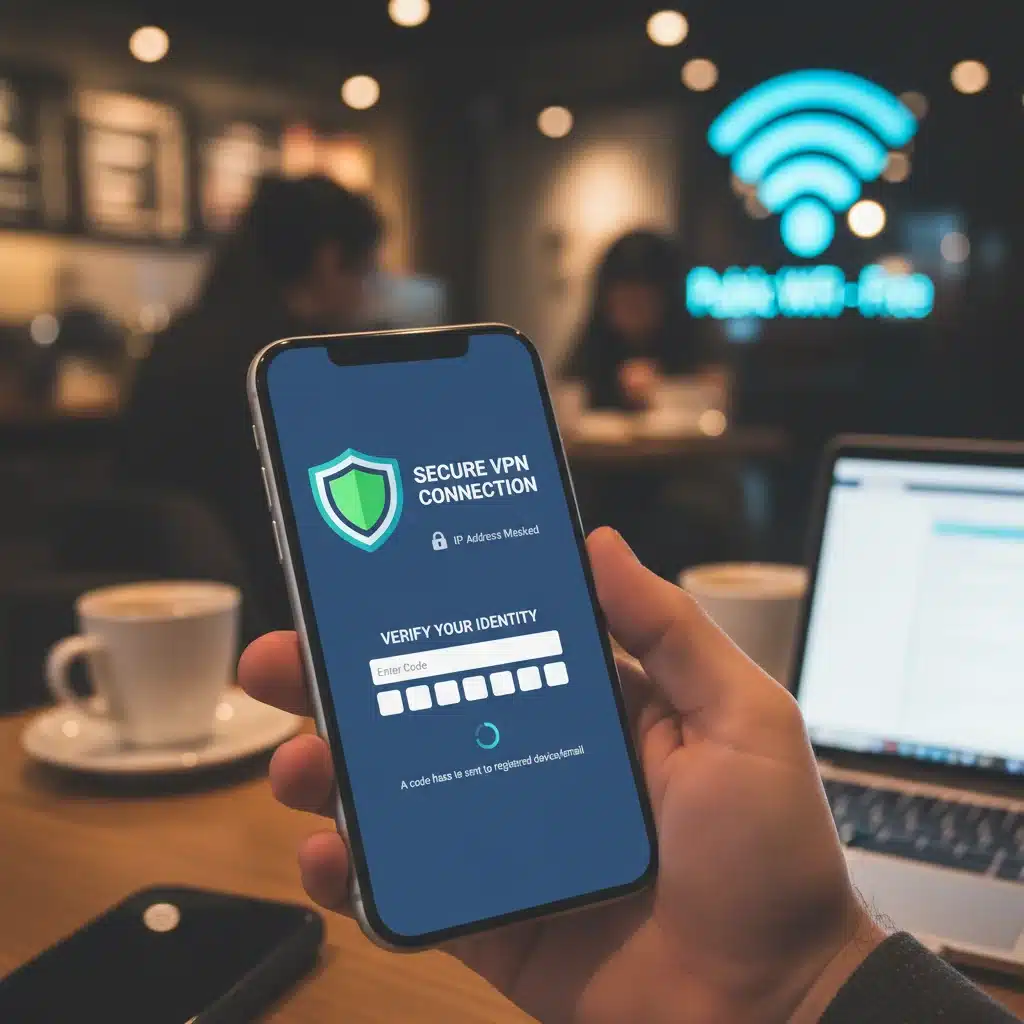
Public Wi-Fi networks are notorious for security vulnerabilities. Protect yourself:
- Virtual Private Network (VPN): Always use a reputable VPN when connecting to public Wi-Fi. A VPN encrypts your internet traffic, making it unreadable to snoopers.
- Avoid Sensitive Transactions: Refrain from conducting banking, shopping, or other sensitive transactions over unsecured public Wi-Fi. If you must, use your mobile data hotspot, which is generally more secure.
- Verify Wi-Fi Networks: Be cautious of Wi-Fi networks with generic names. Cybercriminals often set up fake networks to intercept data. Always confirm the legitimate network name with the establishment.
Device Security
Your devices are your mobile office; treat them as such:
- Encryption: Ensure your laptop and smartphone storage are encrypted. This protects your data if your device is lost or stolen.
- Regular Updates: Keep your operating systems, applications, and antivirus software updated. These updates often include critical security patches.
- Antivirus and Anti-Malware: Install and maintain robust antivirus and anti-malware software on all your devices.
- Firewall: Enable your device’s firewall to block unauthorized access.
- Remote Wipe/Lock: Set up remote wipe and lock features on your devices. This allows you to erase data or lock your device if it falls into the wrong hands.
Phishing and Social Engineering Awareness
Cybercriminals often exploit human psychology:
- Be Skeptical: Be wary of unsolicited emails, messages, or calls asking for personal information, login credentials, or urging you to click suspicious links.
- Verify Sources: Always verify the sender’s identity and the legitimacy of links before clicking or providing any information.
- Think Before You Click: Hover over links to see the actual URL before clicking. If it looks suspicious, don’t click.
Cloud Security Best Practices
Cloud services are essential for digital nomads, but they also require vigilance:
- Strong Passwords and MFA: As mentioned, apply these to all your cloud accounts.
- Granular Permissions: If sharing files, use granular permissions to control who can access and edit your data.
- Regular Audits: Periodically review your cloud storage for any unauthorized files or sharing settings.
Legal and Administrative Considerations for Digital Nomads in the US
Navigating the legal landscape is a critical, yet often overlooked, aspect of Digital Nomad Safety US.
Visa and Immigration Status
The US does not currently offer a specific digital nomad visa. Most digital nomads enter on a B1/B2 (tourist/business visitor) visa or visa waiver program (ESTA). It is crucial to understand the limitations of these visas:
- No Local Employment: You generally cannot engage in local US employment or offer services to US clients while on a tourist visa. Your income must come from outside the US.
- Duration of Stay: Adhere strictly to the permitted duration of your stay to avoid overstaying, which can have severe immigration consequences.
- Consult an Attorney: If you plan an extended stay or have specific work arrangements, consult an immigration attorney to ensure compliance.
Taxes and Financial Planning
Tax obligations can be complex for digital nomads:
- Home Country Taxes: You will likely still be liable for taxes in your home country, especially if you maintain residency there.
- US Tax Implications: Depending on your income source, duration of stay, and tax treaties, you might have US tax obligations. This is a highly complex area, and consulting a tax professional specializing in international taxation is strongly recommended.
- Banking: Consider having a US bank account for convenience, but be aware of the requirements for opening one as a non-resident.
Insurance: Health and Travel
Don’t underestimate the importance of comprehensive insurance:
- Health Insurance: US healthcare costs are exceptionally high. Ensure you have robust international health insurance that covers you adequately while in the US. Verify coverage for emergencies, hospital stays, and prescription medications.
- Travel Insurance: Beyond health, travel insurance can cover trip cancellations, lost luggage, theft of electronics, and emergency evacuations.
Building a Secure and Supportive Digital Nomad Community
One of the best ways to enhance your Digital Nomad Safety US is to connect with others.
Networking and Local Communities
Connecting with other digital nomads and locals can provide invaluable support and information:
- Online Forums and Groups: Join digital nomad Facebook groups, Reddit communities, and specialized forums focusing on US travel and remote work. These are excellent resources for local tips, safety advice, and warnings.
- Co-working Spaces: These are not just for work; they are hubs for networking and meeting like-minded individuals. Many co-working spaces host events and foster a sense of community.
- Meetups and Local Events: Use apps like Meetup.com to find local groups and events related to your interests.
Sharing Information Responsibly
While community is great, exercise caution when sharing personal information online or with new acquaintances:
- Limit Personal Details: Be mindful of how much personal information (e.g., exact travel dates, addresses, financial details) you share, especially in public forums.
- Verify Information: If you receive safety tips or warnings, try to corroborate them from multiple sources.
Advanced Cybersecurity Measures for 2026
As technology advances, so do the methods of cybercriminals. Staying ahead requires continuous effort.
Identity Theft Protection
Digital nomads are particularly vulnerable to identity theft due to their transient nature and reliance on digital services:
- Monitor Financial Accounts: Regularly check your bank and credit card statements for any suspicious activity.
- Credit Monitoring: Consider subscribing to a credit monitoring service to alert you of any unauthorized inquiries or new accounts opened in your name.
- Secure Document Storage: Keep physical sensitive documents (passport, visas) in a secure location and have digital, encrypted copies stored separately.
Privacy Enhancing Technologies (PETs)
Beyond VPNs, consider other PETs:
- Encrypted Messaging Apps: Use end-to-end encrypted messaging services (e.g., Signal, WhatsApp) for sensitive communications.
- Privacy-Focused Browsers: Explore browsers designed with enhanced privacy features (e.g., Brave, Firefox Focus).
- Ad Blockers and Tracker Blockers: These can reduce your digital footprint and protect you from unwanted tracking.
Hardware Security
Physical security for your devices matters:
- Cable Locks: For laptops, a Kensington lock can deter opportunistic thieves in public spaces.
- Privacy Screens: These can prevent ‘shoulder surfing,’ where someone reads your screen over your shoulder.
Responding to Incidents: What to Do When Things Go Wrong
Despite all precautions, incidents can still occur. Knowing how to react is vital.
If Your Device is Lost or Stolen
- Activate Remote Wipe/Lock: Immediately use your device’s remote wipe or lock feature.
- Change Passwords: Change all passwords for accounts accessed from that device, starting with your email and banking.
- Report to Authorities: File a police report. This is often required for insurance claims.
- Notify Banks/Credit Card Companies: If financial information was stored on the device, inform your banks and credit card providers.
If You Experience a Personal Safety Threat
- Prioritize Your Safety: Your life and well-being are more important than any possessions.
- Seek Help: Get to a safe place and contact local authorities (911).
- Document Everything: Note down details of the incident, including descriptions of individuals, time, and location, for police reports and insurance.
- Reach Out for Support: Connect with trusted friends, family, or your digital nomad community for emotional support.
If Your Data is Compromised
- Isolate the Breach: Disconnect affected devices from the internet.
- Change Passwords: Immediately change passwords for all compromised accounts, and any other accounts using the same password.
- Notify Relevant Parties: Inform your bank, credit card companies, and possibly employers if work-related data was affected.
- Run Scans: Perform thorough antivirus and anti-malware scans on your devices.

The Future of Digital Nomad Safety in the US
As we move further into 2026 and beyond, the emphasis on Digital Nomad Safety US will only grow. We can expect:
- More Sophisticated Cybersecurity Threats: AI-powered phishing and more complex malware will demand continuous vigilance and advanced security tools.
- Increased Awareness and Resources: Governments, travel organizations, and tech companies will likely offer more tailored resources and services for digital nomads.
- Evolution of Digital Nomad Visas: While the US currently lacks one, the growing economic impact of digital nomads might eventually lead to specific visa categories, which could also come with clearer guidelines on safety and legal protections.
- Smart City Initiatives: Urban areas will continue to implement smart technologies that could enhance public safety through improved surveillance, emergency response systems, and data-driven crime prevention. However, these also raise privacy concerns that digital nomads will need to navigate.
The key to long-term safety and success as a digital nomad in the US lies in proactive education, consistent application of best practices, and adaptability to new challenges. By staying informed, leveraging technology wisely, and fostering a strong sense of community, you can confidently embrace the freedom and opportunities that the digital nomad lifestyle offers in the United States.
Final Thoughts on Digital Nomad Safety US
The digital nomad lifestyle in the US offers unparalleled freedom and opportunities for growth, both personal and professional. However, this freedom comes with the responsibility of actively managing your personal safety and protecting your digital footprint. By adopting a comprehensive approach that integrates physical security, robust cybersecurity, and adherence to legal frameworks, you can significantly mitigate risks.
Remember, vigilance is not paranoia; it’s empowerment. Every digital nomad has a role to play in fostering a safer community by sharing knowledge and best practices. Stay informed, stay secure, and enjoy the incredible journey of being a digital nomad in the diverse and dynamic United States. Your adventure awaits, made even better by the peace of mind that comes with being well-prepared.