Mastering Digital Focus: Build Your Personal ‘Focus Wall’ for 30% More Concentration
Anúncios
In our hyper-connected world, maintaining concentration feels like an uphill battle against an endless barrage of notifications, emails, and digital temptations. The promise of instant information and constant connection often comes at the cost of deep work, sustained attention, and ultimately, our productivity. If you’ve ever found yourself scrolling through social media when you should be tackling a crucial task, or getting sidetracked by a new email alert during an important brainstorming session, you’re not alone. This pervasive issue is why the concept of a Digital Focus Wall has become not just beneficial, but essential for anyone looking to reclaim their attention and significantly boost their output.
Imagine a world where your digital environment actively supports your concentration, rather than sabotaging it. That’s the core idea behind building a Digital Focus Wall. It’s not about abandoning technology, but rather about strategically configuring your digital tools and habits to create an impenetrable barrier against distractions. This year, we’re not just aiming for a slight improvement; we’re targeting a remarkable 30% increase in your concentration levels. This isn’t an arbitrary number; it’s an achievable goal when you systematically implement the strategies we’re about to explore.
This comprehensive guide will walk you through the process of constructing your very own Digital Focus Wall. We’ll delve into understanding the enemy – digital distractions – and then equip you with practical, actionable steps to transform your digital workspace into a sanctuary of focus. From software solutions to behavioral adjustments, we’ll cover everything you need to know to build a robust and effective digital barrier that allows you to dive deep into your work and emerge more productive than ever before.
Anúncios
Understanding the Enemy: The Nature of Digital Distractions
Before we can build an effective Digital Focus Wall, we must first understand the myriad forms of digital distractions that plague our daily lives. These aren’t always obvious; sometimes they masquerade as essential tools or valuable information, subtly eroding our attention span without us even realizing it.
The Allure of Notifications
Notifications are perhaps the most common and insidious form of digital distraction. Every ping, buzz, and pop-up is designed to grab your attention, pulling you away from your current task. Emails, social media updates, news alerts, app reminders – they all compete for your cognitive resources. Even if you don’t immediately act on a notification, the mere act of seeing it can break your flow state, requiring precious time and energy to regain your focus.
Anúncios
The Endless Scroll: Social Media and Entertainment
Platforms like Facebook, Instagram, Twitter, TikTok, and YouTube are engineered to be addictive. Their algorithms are designed to keep you engaged, presenting an endless stream of content that can effortlessly consume hours. What starts as a quick check-in can quickly spiral into a prolonged distraction, leaving you feeling drained and unproductive.
The Open Tabs Syndrome
How many tabs do you currently have open in your browser? For many, the answer is a dizzying number. Each open tab represents a potential distraction, a half-finished thought, or a rabbit hole waiting to be explored. While some tabs might be genuinely work-related, others are often tangential, contributing to cognitive overload and making it difficult to concentrate on a single task.
The Digital "Always On" Mentality
The expectation of instant communication and availability has fostered an "always on" mentality. This pressure to respond immediately to every message or email can lead to constant context switching, where your brain jumps from one task to another without ever truly settling into deep work. This fragmented attention is a significant barrier to sustained concentration.
The Illusion of Multitasking
Many believe they can effectively multitask, juggling multiple digital tasks simultaneously. However, scientific research consistently shows that true multitasking is a myth. What we perceive as multitasking is actually rapid task-switching, which significantly reduces efficiency, increases errors, and depletes mental energy. Your Digital Focus Wall aims to combat this illusion by promoting single-tasking.
The Blueprint for Your Digital Focus Wall: Core Principles
Building an effective Digital Focus Wall isn’t just about turning things off; it’s about intentional design and strategic implementation. Here are the core principles that will guide our construction:
- Minimize Entry Points for Distraction: Actively reduce the number of ways digital distractions can reach you.
- Create Dedicated Focus Zones: Designate specific periods and digital environments solely for focused work.
- Automate Focus-Enhancing Settings: Leverage technology to enforce your focus rules automatically.
- Cultivate Mindful Digital Habits: Develop conscious practices that support sustained attention.
- Personalization and Iteration: Your Digital Focus Wall should be tailored to your unique needs and evolve over time.
Phase 1: Fortifying Your Devices – Software and Settings
The first step in building your Digital Focus Wall involves configuring your devices to actively block out distractions. This is where software and system settings become your most powerful allies.
Smartphone & Tablet Fortification
- Disable Non-Essential Notifications: Go through every app on your phone and disable notifications for anything that isn’t absolutely critical. This includes social media, news apps, games, and even many messaging apps during focus periods. For truly essential apps, consider turning off sound and vibration, leaving only a subtle visual cue.
- Utilize "Do Not Disturb" Modes: Master your device’s "Do Not Disturb" (DND) or "Focus" modes. Schedule them to activate automatically during your designated work hours. Many modern smartphones allow you to customize DND to permit calls from favorite contacts in case of emergencies.
- Grayscale Mode: Experiment with turning your screen to grayscale. Color is highly stimulating and can make apps more appealing. Removing color reduces the visual allure of distracting apps.
- App Limits/Screen Time: Set strict time limits for addictive apps using built-in screen time features (e.g., Apple’s Screen Time, Android’s Digital Wellbeing). Once the limit is reached, the app becomes inaccessible for the rest of the day.
- Remove Distracting Apps from Home Screen: Move social media, entertainment, and other tempting apps off your primary home screen and into a folder on a secondary screen, or even off the device entirely. This adds a layer of friction, making it less likely you’ll open them impulsively.

Computer & Laptop Fortification
- Browser Extensions for Focus: Install browser extensions that block distracting websites during specific times. Popular options include StayFocusd, Forest, or Freedom. These tools allow you to create whitelists and blacklists of websites.
- Desktop Notification Management: Disable desktop notifications for email clients, messaging apps, and other non-essential software. Most operating systems (Windows, macOS) have robust notification settings that allow granular control.
- Close Unnecessary Tabs: Develop a habit of closing tabs you’re not actively using. Consider using a tab manager extension that automatically hibernates or closes inactive tabs.
- Dedicated User Profiles/Workspaces: If possible, create a separate user profile on your computer specifically for work. This profile would only have work-related applications and settings, creating a distinct digital environment for focus. Alternatively, use virtual desktops/workspaces to separate work applications from personal ones.
- Email Client Configuration: Set your email client to only fetch mail manually, or at specific intervals, rather than constantly pushing new messages. Close your email client entirely when you need deep focus.
Phase 2: Behavioral Barriers – Cultivating Mindful Digital Habits
While software and settings create the structural foundation, your habits are the mortar that holds your Digital Focus Wall together. This phase focuses on developing the mental discipline and routines necessary for sustained concentration.
Scheduled Digital Detoxes and "No-Go" Zones
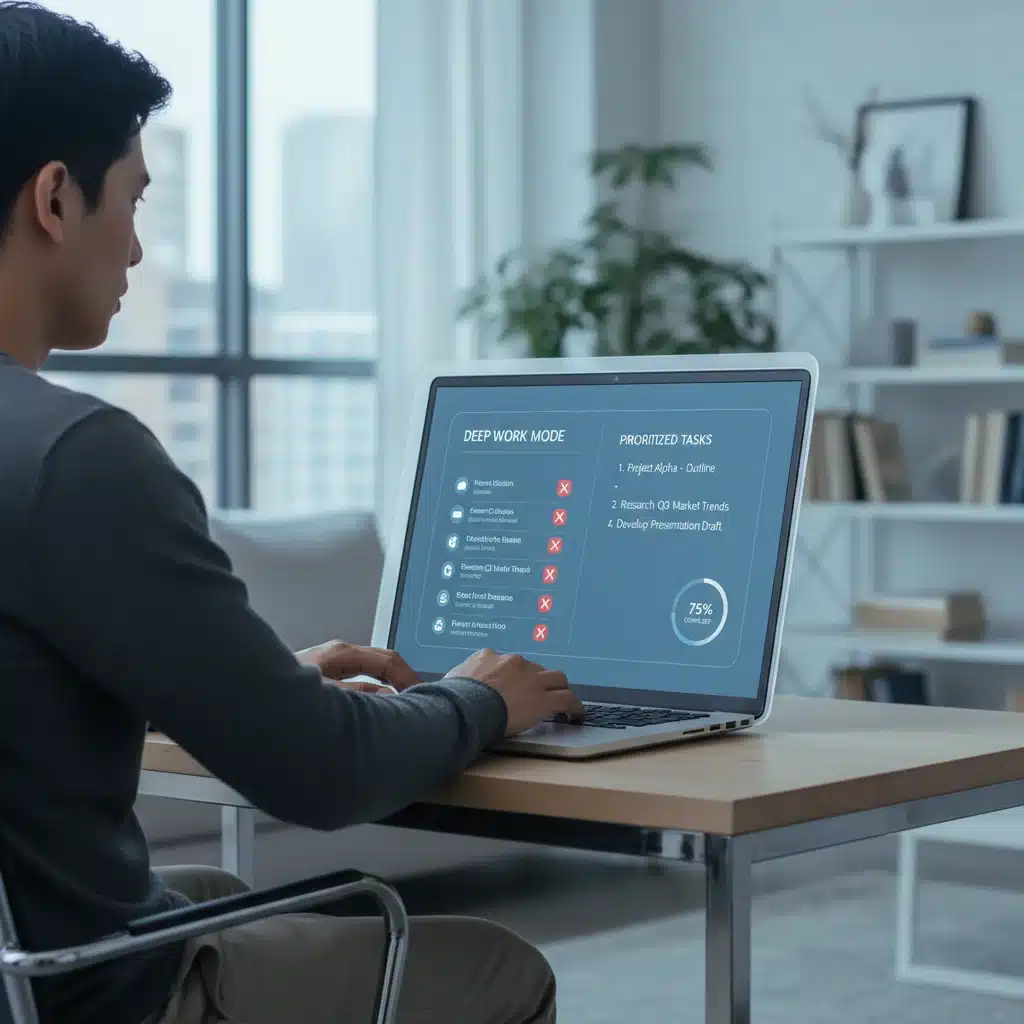
- Designated "Deep Work" Blocks: Schedule specific, uninterrupted blocks of time (e.g., 90 minutes to 2 hours) where you commit to absolute focus. During these blocks, your Digital Focus Wall should be fully activated – all distractions blocked, all non-essential apps closed.
- Digital "Off-Hours": Establish clear boundaries for when you are "offline" or significantly reduce digital engagement. This could be an hour before bed, during meals, or specific times on weekends. This allows your brain to truly rest and recharge.
- Single-Tasking Mantra: Consciously commit to doing one thing at a time. When working on a report, only the report is open. When replying to emails, only the email client is open. This reinforces your Digital Focus Wall by preventing self-imposed distractions.
The Power of Friction: Making Distractions Harder to Access
- Log Out of Social Media: Instead of just closing the tab, log out of social media accounts. The extra step of re-entering your password creates a micro-friction point that can deter impulsive checks.
- Place Your Phone Out of Reach: During focus sessions, physically remove your phone from your immediate workspace. Put it in another room, a drawer, or a bag. The effort required to retrieve it can be enough to break the habit of constant checking.
- Delay Gratification: When you feel the urge to check something non-essential, acknowledge it, but then consciously decide to delay it. Tell yourself, "I’ll check that in 30 minutes after I finish this paragraph."
Leveraging Productivity Techniques
- The Pomodoro Technique: Work in focused 25-minute sprints, followed by 5-minute breaks. During the 25 minutes, your Digital Focus Wall is fully active. The short breaks provide a structured opportunity to briefly check non-essential items if desired, but then you return to focus.
- Time Blocking: Allocate specific time slots in your calendar for different tasks, including "deep work," "email processing," and "admin." This provides a clear structure for your day and reinforces when your Digital Focus Wall should be up.
- Mindful Breaks: Instead of defaulting to social media during breaks, engage in truly restorative activities like stretching, walking, getting a drink of water, or simply staring out the window.
Phase 3: Environmental Reinforcement – Physical and Mental Spaces
Your Digital Focus Wall isn’t solely digital. Your physical environment and mental state play crucial roles in supporting sustained concentration.
Optimize Your Physical Workspace
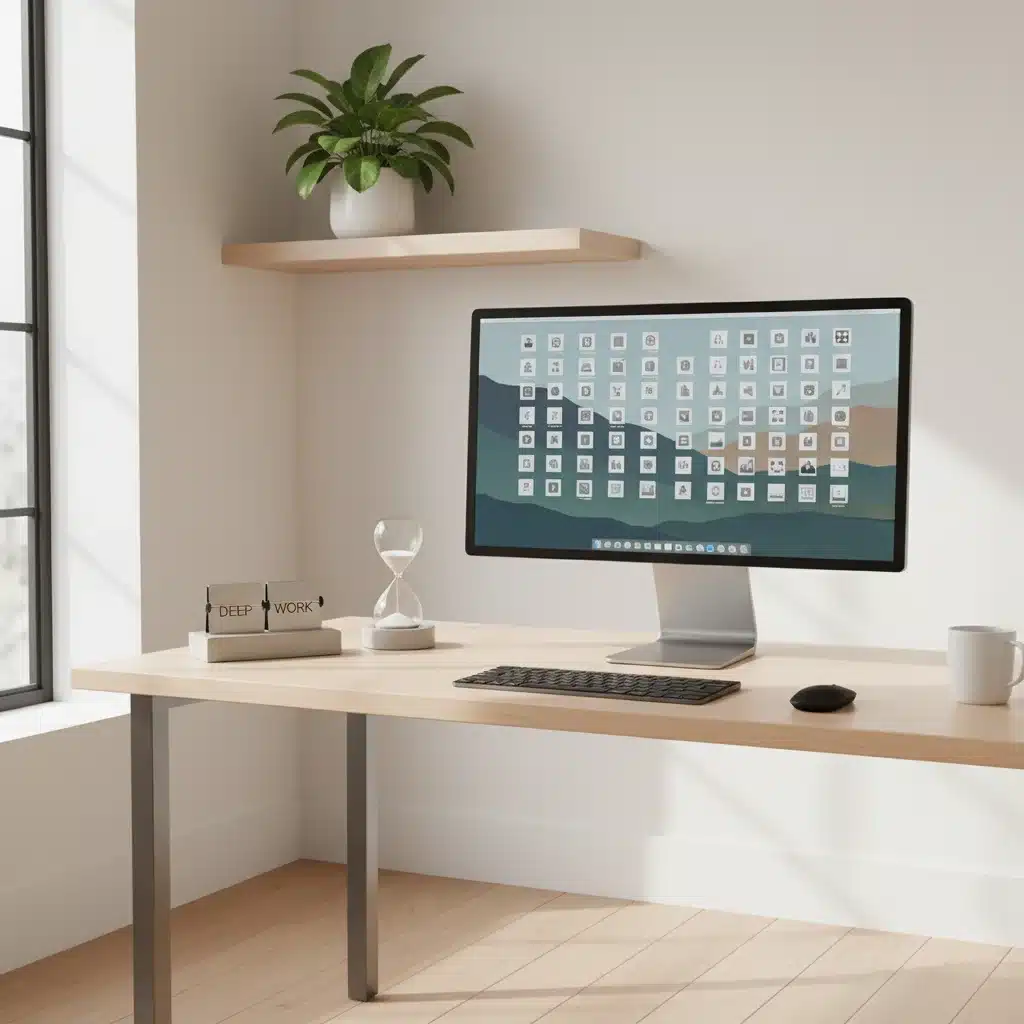
- Declutter Your Desk: A messy physical space often leads to a messy digital one. Keep your desk clean and organized, with only essential items visible.
- Minimize External Stimuli: If possible, work in a quiet environment. Use noise-canceling headphones if you’re in a noisy office or home.
- Good Lighting and Ergonomics: A comfortable and well-lit workspace reduces physical distractions and fatigue, allowing you to maintain focus for longer periods.
Cultivate a Focused Mindset
- Start with Intention: Before beginning a focus session, take a moment to clearly define your goal for that period. What do you intend to accomplish? This mental clarity strengthens your Digital Focus Wall.
- Practice Mindfulness: Short mindfulness exercises or meditation can train your brain to stay present and gently redirect attention when it wanders. Even a few minutes a day can make a significant difference.
- Prioritize Sleep and Breaks: A well-rested mind is a focused mind. Ensure you’re getting adequate sleep and taking regular, restorative breaks throughout the day. Burnout is a major enemy of concentration.
Measuring Your Progress and Iterating Your Digital Focus Wall
Building a Digital Focus Wall is not a one-time setup; it’s an ongoing process of refinement and adaptation. To achieve that 30% increase in concentration, you need to track your progress and be willing to adjust your strategies.
Tracking Your Focus & Productivity
- Time Tracking Apps: Use apps like Toggl, Clockify, or RescueTime to monitor how you spend your time. This provides objective data on how much time you’re truly spending on focused work versus distractions.
- Journaling: Keep a simple journal to note your daily focus levels. What worked well? What broke your concentration? This qualitative data is invaluable for identifying patterns.
- Self-Assessment: At the end of each day or week, reflect on your productivity. Did you achieve your intended goals? Where did your attention waver?
Adapting and Evolving Your Wall
- Review and Adjust: Regularly review your Digital Focus Wall settings and habits. Are there new distractions creeping in? Are certain blockages no longer necessary?
- Experiment with New Tools: The landscape of productivity tools is constantly evolving. Don’t be afraid to try new apps or techniques that might further enhance your focus.
- Be Patient and Kind to Yourself: Building new habits takes time. There will be days when your Digital Focus Wall falters. Don’t get discouraged. Simply acknowledge the slip, learn from it, and recommit to your strategies.
Common Pitfalls and How to Avoid Them
As you construct your Digital Focus Wall, you might encounter some common challenges. Being aware of them can help you navigate them more effectively.
- Over-Restriction Leading to Rebellion: If your Digital Focus Wall is too rigid initially, you might feel deprived and rebel, leading to binge-distracting. Start with gradual changes and ease into stricter controls.
- Ignoring the Root Cause: Sometimes, digital distractions are a symptom of deeper issues like procrastination, lack of clear goals, or anxiety. Address these underlying issues alongside building your Digital Focus Wall for long-term success.
- The "Urgent" Trap: Not everything that feels urgent truly is. Learn to differentiate between genuine emergencies and perceived urgencies that can wait until your focus block is complete.
- Forgetting to Schedule Breaks: A strong Digital Focus Wall needs to incorporate planned breaks. Without them, your mental energy will deplete, and you’ll be more susceptible to distraction.
The Long-Term Benefits of a Robust Digital Focus Wall
Successfully implementing a Digital Focus Wall offers benefits far beyond a 30% increase in concentration. It can lead to a profound transformation in your work life and overall well-being:
- Higher Quality Work: Deep focus leads to better problem-solving, more creative insights, and fewer errors.
- Reduced Stress and Burnout: By minimizing constant interruptions and the feeling of being perpetually "on," you reduce mental fatigue and stress.
- Increased Job Satisfaction: Accomplishing meaningful work provides a sense of fulfillment and boosts confidence.
- More Free Time: When you’re more efficient during work hours, you create more genuine free time for hobbies, family, and relaxation, without the guilt of unfinished tasks.
- Improved Mental Clarity: A less cluttered digital life often translates to a less cluttered mind, fostering greater mental clarity and peace.
Conclusion: Your Path to Unwavering Concentration
Building a Digital Focus Wall is an investment in yourself, your productivity, and your peace of mind. It requires intentional effort, consistent practice, and a willingness to adapt. By systematically addressing digital distractions through software configurations, mindful habits, and environmental optimization, you can create a powerful barrier that protects your most valuable resource: your attention.
This year, commit to transforming your digital landscape. Implement the strategies outlined in this guide, track your progress, and celebrate every small victory. As you strengthen your Digital Focus Wall, you’ll not only achieve that 30% increase in concentration but also unlock a new level of productivity, creativity, and overall well-being. The power to reclaim your focus is within your grasp; it’s time to build your wall.