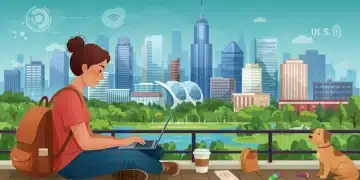
The concept of work has undergone a seismic shift, evolving from traditional office settings to a dynamic, location-independent lifestyle. At the forefront of this transformation are US Digital Nomad Communities. Once a niche phenomenon, digital nomadism has blossomed into a significant economic and social force, particularly within the United States. As we look towards 2026, the landscape of these communities continues to evolve rapidly, shaped by technological advancements, changing governmental policies, and a growing recognition of the benefits of remote work. This article delves deep into the recent updates and future projections for US Digital Nomad Communities, offering insights into what’s new, what’s next, and how these vibrant ecosystems are adapting to the demands of a modern workforce.
The allure of digital nomadism is multifaceted: the freedom to travel, the flexibility to set one’s own hours, and the opportunity to escape the monotony of a fixed location. For many, the United States, with its diverse geography, robust infrastructure, and innovative spirit, presents an ideal backdrop for this lifestyle. However, being a digital nomad isn’t just about working from a beach; it’s about finding a balance between productivity, community, and personal well-being. This is where US Digital Nomad Communities play a crucial role, providing the support systems, networking opportunities, and social connections that are vital for sustained success and happiness on the road.
Anúncios
The Rise of New Digital Nomad Hubs Across the US
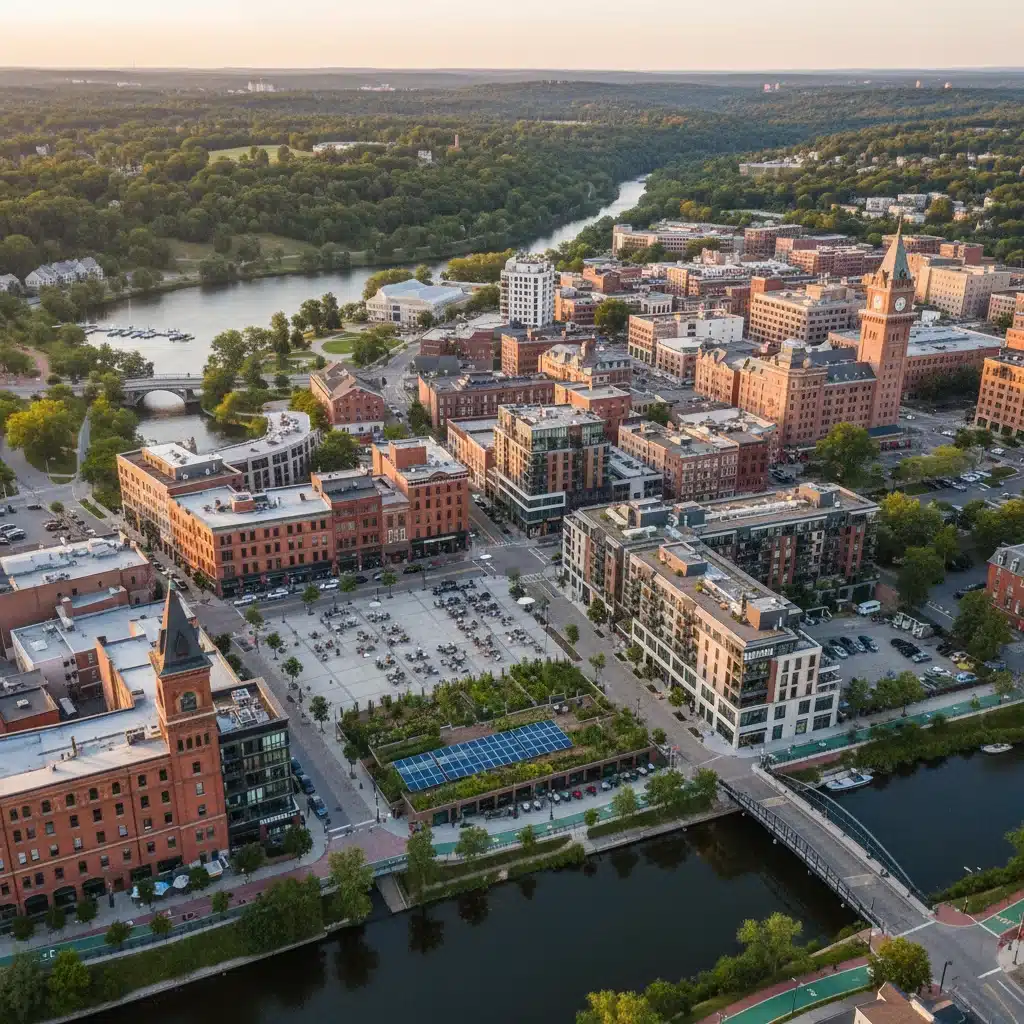
While traditional tech hubs like Austin, Denver, and Portland have long attracted digital nomads, 2026 is witnessing the emergence of exciting new contenders. These burgeoning hubs are often characterized by a lower cost of living, a high quality of life, and proactive local governments eager to attract remote workers. Cities in states like Oklahoma, Arkansas, and even parts of the Midwest are offering incentives, from cash grants to free co-working memberships, to entice digital nomads to relocate. This decentralization is a significant trend for US Digital Nomad Communities, spreading economic benefits and diversifying the cultural fabric of smaller cities.
For instance, Tulsa, Oklahoma, with its ‘Tulsa Remote’ program, continues to be a pioneering example, offering substantial financial incentives to remote workers willing to move there. This model has inspired numerous other cities to launch similar initiatives, creating a competitive environment that benefits digital nomads. These new hubs are not just about affordability; they are also cultivating unique community vibes, often centered around outdoor activities, arts and culture, or specific industry niches. Understanding these emerging locations is key for anyone looking to join or support US Digital Nomad Communities.
Why Smaller Cities are Becoming Magnets for Remote Workers
The appeal of smaller cities goes beyond financial incentives. Many digital nomads are seeking a slower pace of life, closer-knit communities, and easier access to nature. The urban sprawl and high cost of living in major metropolises can be deterrents, pushing individuals towards locations where their dollar stretches further and their quality of life improves. These smaller cities are often investing in improved broadband infrastructure, creating dedicated co-working spaces, and fostering local events tailored to the remote worker demographic. This strategic development is transforming them into highly attractive destinations within the broader network of US Digital Nomad Communities.
Anúncios
Furthermore, the pandemic accelerated this trend, as many realized that proximity to a physical office was no longer a prerequisite for career success. This newfound freedom has allowed remote workers to prioritize lifestyle over location, leading to a redistribution of talent across the country. As a result, we are seeing a more geographically diverse and resilient network of US Digital Nomad Communities taking root.
Technological Advancements Fueling the Nomad Lifestyle in 2026
Technology has always been the backbone of digital nomadism, and 2026 brings even more sophisticated tools and platforms to the table. High-speed internet access is no longer a luxury but a fundamental necessity, with 5G networks becoming ubiquitous and even satellite internet solutions like Starlink offering reliable connectivity in more remote areas. This expanded connectivity empowers digital nomads to work from virtually anywhere, further dissolving geographical boundaries for US Digital Nomad Communities.
AI and Automation: The Digital Nomad’s New Assistants
The integration of Artificial Intelligence (AI) and automation tools is revolutionizing how digital nomads manage their workloads. From AI-powered writing assistants that streamline content creation to automated scheduling and project management software, these technologies are increasing efficiency and freeing up time for travel and leisure. For US Digital Nomad Communities, this means greater productivity, less administrative burden, and the ability to take on more diverse projects, ultimately enhancing the sustainability of the nomad lifestyle.
Moreover, virtual collaboration tools are becoming more immersive and intuitive, blurring the lines between physical and remote interactions. VR/AR meeting spaces, for example, are moving beyond novelty to become practical platforms for team collaboration, allowing digital nomads to feel more connected to their colleagues and clients regardless of their physical location. These advancements are crucial for maintaining strong professional ties within US Digital Nomad Communities.
Cybersecurity and Data Privacy: A Growing Concern
As digital nomads increasingly rely on public Wi-Fi networks and cloud-based services, cybersecurity and data privacy have become paramount concerns. In 2026, there is a heightened awareness and demand for robust security solutions. VPNs, secure cloud storage, and advanced endpoint protection are essential tools for any remote worker. Education on best practices for digital security is also becoming a standard offering within many US Digital Nomad Communities, ensuring that members can work safely and confidently.
The Evolving Infrastructure of Digital Nomad Support
The growth of US Digital Nomad Communities has spurred the development of a specialized infrastructure designed to meet their unique needs. This includes everything from dedicated co-living and co-working spaces to tailored financial services and legal advice for remote entrepreneurs.
Co-living and Co-working: More Than Just Spaces
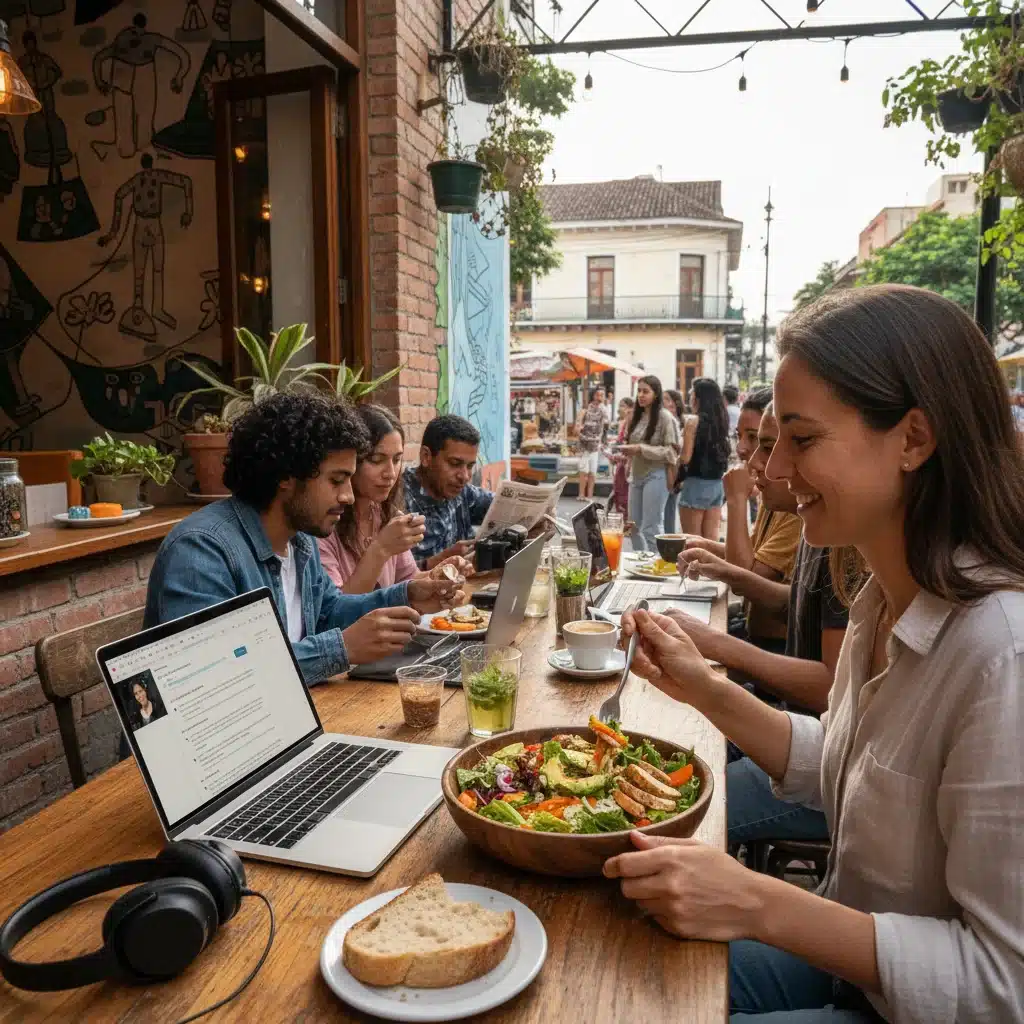
Co-living and co-working spaces are no longer just places to sleep or work; they are vibrant social hubs that foster connection and collaboration. In 2026, these spaces are becoming more sophisticated, offering amenities like wellness programs, organized social events, and skill-sharing workshops. They are designed to combat the potential isolation of remote work, providing a built-in community for new arrivals to US Digital Nomad Communities. Many are also focusing on sustainable practices, attracting environmentally conscious nomads.
Beyond physical spaces, virtual co-working communities are also gaining traction, allowing nomads to connect and collaborate with peers from anywhere in the world. These online platforms often host virtual events, mastermind groups, and forums for sharing resources and advice, further strengthening the bonds within US Digital Nomad Communities.
Financial and Legal Services for the Mobile Professional
Navigating taxes, healthcare, and legal requirements can be complex for digital nomads, especially those frequently crossing state lines or operating as freelancers. In 2026, there’s a growing ecosystem of financial advisors, tax specialists, and legal professionals who specialize in serving the remote workforce. These experts help nomads understand state tax implications, health insurance options, and business registration requirements, providing invaluable support to members of US Digital Nomad Communities.
Furthermore, innovative banking solutions and payment platforms are emerging that cater specifically to the needs of location-independent individuals, offering multi-currency accounts, low transaction fees, and easy integration with international payment systems. These services simplify the financial aspects of the nomad lifestyle, allowing individuals to focus more on their work and travels.
Lifestyle and Well-being: A Holistic Approach
The glamor of digital nomadism often overshadows its challenges, such as maintaining work-life balance, combating loneliness, and staying healthy on the go. As US Digital Nomad Communities mature, there’s a greater emphasis on holistic well-being, recognizing that a sustainable nomad lifestyle requires more than just a laptop and an internet connection.
Mental health support is becoming a critical component of many digital nomad programs and resources. Access to online therapy, mindfulness apps, and community-led support groups are helping nomads navigate the emotional ups and downs of their lifestyle. Many co-living spaces now incorporate wellness areas, meditation rooms, and fitness facilities, acknowledging the importance of physical and mental health for their residents.
The Importance of Local Integration and Sustainable Travel
As US Digital Nomad Communities grow, there’s an increasing focus on responsible and sustainable travel. Nomads are encouraged to integrate more deeply into local cultures, support local businesses, and minimize their environmental footprint. This shift moves beyond simply visiting a place to truly experiencing and contributing to it. Programs that connect nomads with local volunteer opportunities or cultural exchange initiatives are becoming more popular, fostering a sense of belonging and purpose beyond work.
This emphasis on local integration also helps combat the ‘tourist’ mentality, encouraging nomads to become temporary residents who contribute positively to the communities they inhabit. It’s about building bridges, not just passing through, which ultimately enriches both the nomad’s experience and the local community.
Challenges and Opportunities for US Digital Nomad Communities in 2026
Despite the rapid growth and evolution, US Digital Nomad Communities face several challenges that need to be addressed to ensure their long-term sustainability and success. These include regulatory hurdles, access to affordable healthcare, and ensuring equitable access to the nomad lifestyle.
Navigating Regulatory Complexities
The legal and tax implications of being a digital nomad in the US are notoriously complex. State-specific tax laws, residency requirements, and business registration rules can create a labyrinth for remote workers. As 2026 progresses, there’s a growing call for clearer, more unified guidelines to simplify these processes. Advocacy groups and legal experts are working to streamline regulations, making it easier for digital nomads to comply with various state and federal requirements.
Healthcare remains a significant concern, particularly for those who are self-employed. While the Affordable Care Act (ACA) provides options, navigating state exchanges and understanding coverage while moving can be challenging. Innovative insurance solutions tailored for mobile professionals are emerging, but consistent and affordable access to comprehensive healthcare is still a major area for improvement within US Digital Nomad Communities.
Ensuring Inclusivity and Accessibility
The digital nomad lifestyle, while appealing, is not equally accessible to everyone. The cost of equipment, reliable internet, and the financial cushion needed for travel can be prohibitive for many. In 2026, there’s a growing movement within US Digital Nomad Communities to promote inclusivity and provide resources for individuals from diverse socioeconomic backgrounds.
Initiatives include scholarships for remote work training, mentorship programs, and efforts to connect aspiring nomads with affordable housing and travel options. The goal is to democratize digital nomadism, ensuring that the benefits of this lifestyle are available to a wider segment of the population, thereby enriching the communities with diverse perspectives and talents.
The Future Outlook: What’s Beyond 2026 for US Digital Nomad Communities?
Looking beyond 2026, the future of US Digital Nomad Communities appears bright and dynamic. The trends we are observing now – decentralization, technological integration, and a focus on well-being – are likely to intensify, leading to even more sophisticated and supportive ecosystems for remote workers.
Hyper-Specialized Nomad Communities
We can anticipate the rise of hyper-specialized digital nomad communities catering to specific professions, hobbies, or demographics. Imagine communities exclusively for developers, artists, environmental activists, or families traveling with children. These niche communities would offer highly tailored resources, networking opportunities, and social activities, fostering even deeper connections among like-minded individuals.
This specialization would allow nomads to find their ‘tribe’ more easily, enhancing their sense of belonging and providing targeted support for their unique professional and personal needs. Such developments would mark a significant evolution in the structure and function of US Digital Nomad Communities.
Increased Government and Corporate Engagement
As the economic impact of digital nomads becomes undeniable, both local governments and corporations are likely to increase their engagement. More cities will likely launch incentive programs, and federal policies may begin to adapt to the realities of a highly mobile workforce. Corporations, in turn, will continue to refine their remote work policies, perhaps even sponsoring employees to participate in digital nomad programs as a perk or a way to foster innovation and employee satisfaction.
This increased engagement will provide more stability and legitimacy to the digital nomad lifestyle, integrating it further into the mainstream economy and society. The collaboration between public and private sectors will be crucial in shaping the next generation of US Digital Nomad Communities.
Education and Skill Development on the Go
The emphasis on continuous learning and skill development will grow, with digital nomads seeking opportunities to enhance their professional capabilities while traveling. Online courses, virtual workshops, and bootcamps will become even more prevalent, allowing nomads to upskill or reskill regardless of their location. Some co-working spaces might even integrate educational programs into their offerings, creating learning hubs within US Digital Nomad Communities.
This focus on lifelong learning will not only benefit individual nomads but also contribute to a highly skilled and adaptable remote workforce, capable of responding to the rapidly changing demands of the global economy.
Conclusion: The Enduring Appeal of US Digital Nomad Communities
The evolving landscape of US Digital Nomad Communities in 2026 reflects a broader societal shift towards flexibility, autonomy, and purpose-driven work. From the emergence of new, vibrant hubs to the integration of cutting-edge technology and a holistic approach to well-being, the ecosystem supporting remote workers is becoming more robust and sophisticated than ever before.
While challenges remain, particularly in areas like regulation and healthcare, the collective efforts of nomads, local governments, and innovative businesses are paving the way for a future where location independence is not just a dream but a sustainable and enriching reality for a growing number of Americans. As we move forward, the strength and adaptability of these communities will continue to define the frontier of work, proving that the American dream can now be pursued from virtually anywhere.