Boost Your Focus: 3 New Digital Distraction Blockers for Remote Workers in 2026
Boost Your Focus: 3 New Digital Distraction Blockers Released in Early 2026 for US Remote Workers
The landscape of work has irrevocably shifted. Remote work, once a niche concept, is now a cornerstone of the global economy, especially within the United States. While offering unparalleled flexibility and autonomy, this shift has also amplified a persistent challenge: digital distractions. For millions of US remote workers, the siren song of social media, the incessant ping of notifications, and the endless rabbit holes of the internet can severely derail productivity and mental well-being. The blurred lines between work and personal life, compounded by an always-on digital environment, make sustained focus an increasingly rare commodity. Recognizing this critical need, innovators are constantly developing solutions. And as we step into early 2026, a new wave of groundbreaking digital distraction blockers is set to revolutionize how remote professionals manage their attention and cultivate deep work.
This article delves into three of the most anticipated digital distraction blockers slated for release in early 2026. These aren’t just incremental updates to existing tools; they represent a significant leap forward in AI-powered focus management, personalized distraction filtering, and seamless integration into our increasingly digital workflows. We’ll explore their unique features, how they aim to tackle the multifaceted problem of digital overload, and what they promise for the future of remote productivity. Get ready to discover the tools that could transform your remote work experience, helping you reclaim your focus and master your digital environment.
The Pervasive Problem of Digital Distraction in Remote Work
Before we dive into the solutions, it’s crucial to understand the depth of the problem. Remote work, by its very nature, places individuals in an environment replete with potential distractions. Unlike a traditional office setting where certain digital activities might be monitored or discouraged by proximity to colleagues, the home office offers a sanctuary for both productive work and pervasive procrastination. The average remote worker juggles multiple digital platforms daily: communication tools like Slack or Microsoft Teams, email clients, project management software, video conferencing apps, and, almost invariably, a web browser with countless tabs open. Each of these, while essential for collaboration and task execution, also serves as a potential gateway to distraction.
Studies consistently show that it takes an average of 23 minutes and 15 seconds to regain focus after being interrupted. In a digital world where notifications can arrive every few minutes, this translates to significant productivity loss over a workday. Beyond productivity, constant digital interruptions contribute to increased stress, cognitive overload, and diminished job satisfaction. The always-on culture fostered by remote connectivity blurs the lines between professional and personal time, making it difficult to fully disengage. This digital fatigue isn’t just an inconvenience; it’s a significant barrier to deep work, creative problem-solving, and overall well-being. The need for effective digital distraction blockers is not just about enhancing output; it’s about preserving mental health and fostering a sustainable remote work lifestyle.
Introducing the Next Generation of Digital Distraction Blockers
The year 2026 promises a new era in personal productivity technology. These upcoming digital distraction blockers go beyond simple website blacklists, employing sophisticated AI and user-centric design to create truly intelligent focus environments. Here are three of the most anticipated releases for US remote workers:
1. ZenFlow AI: Your Personalized Focus Ecosystem
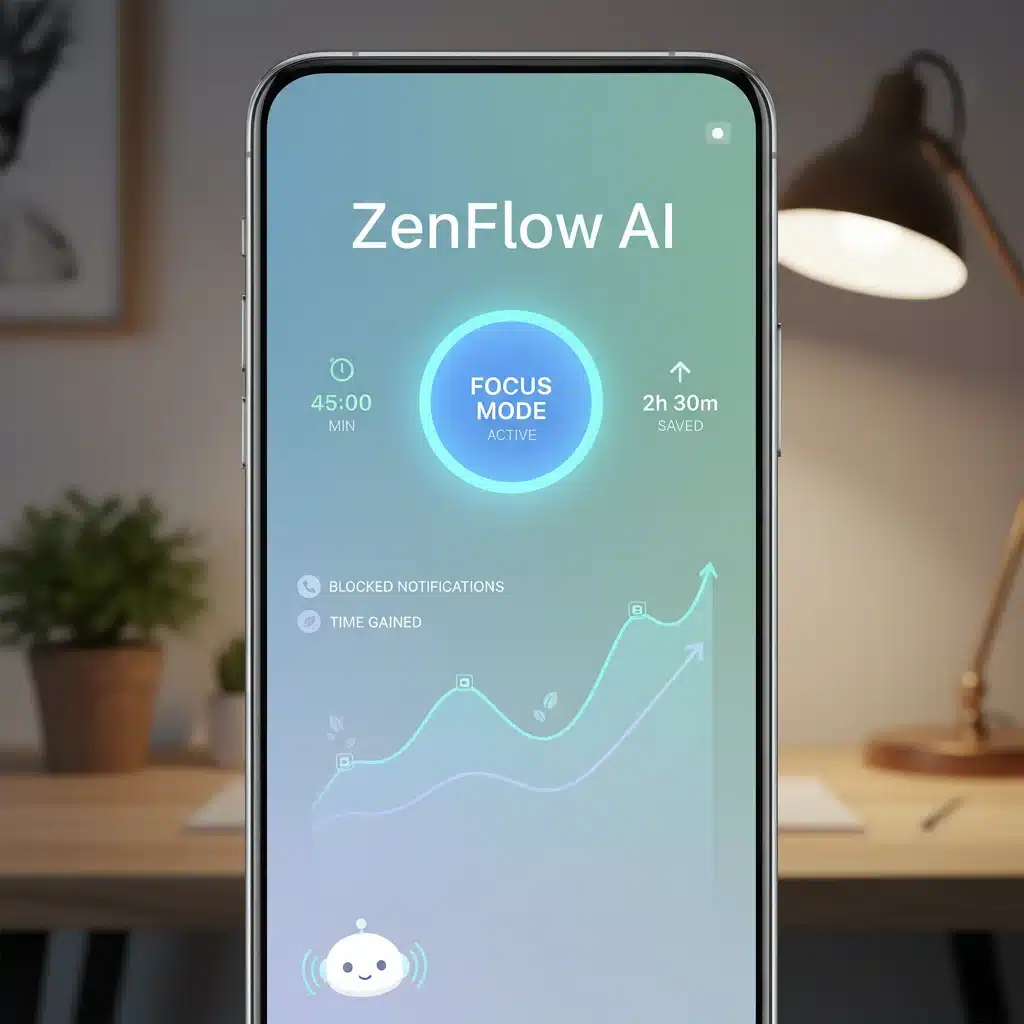
ZenFlow AI is positioned as a holistic solution for digital tranquility, leveraging advanced artificial intelligence to create a personalized focus ecosystem. Unlike traditional blockers that operate on rigid rules, ZenFlow AI learns from your work patterns, preferences, and even your physiological state (if integrated with wearables) to dynamically adjust your digital environment. Its core philosophy is not just to block distractions but to cultivate a state of flow conducive to deep work.
Key Features of ZenFlow AI:
- Adaptive Focus Modes: ZenFlow AI introduces ‘Adaptive Focus Modes’ that go beyond generic settings. For instance, during a coding session, it might block all non-essential communication apps and silence email notifications, while allowing access to developer documentation. During a creative brainstorming session, it might permit specific research sites but block social media and news feeds. The AI observes your usage and suggests optimal settings for different task types, continuously refining its recommendations.
- Intelligent Notification Management: This feature is a game-changer. Instead of simply silencing all notifications, ZenFlow AI categorizes them by urgency and relevance using natural language processing (NLP). It can hold non-urgent notifications until scheduled breaks, summarize important group chats, and even draft polite auto-responses for immediate but non-critical messages, allowing you to stay connected without constant interruption.
- Cognitive Load Monitoring: A truly innovative aspect, ZenFlow AI can integrate with biosensors (via smartwatches or other wearables) to monitor metrics like heart rate variability and skin conductance. If it detects signs of cognitive overload or impending distraction, it can gently suggest a micro-break, initiate a guided breathing exercise, or temporarily increase blocking intensity. This proactive approach helps users manage their mental energy more effectively.
- Contextual Website & App Filtering: Rather than a blunt instrument, ZenFlow AI’s filtering is context-aware. It understands when a website might be a legitimate resource versus a time sink. For example, YouTube might be allowed for a specific tutorial video if it’s relevant to your current task, but blocked entirely if you’re working on a report. Users can train the AI by providing feedback on its blocking decisions, making it smarter over time.
- Seamless Cross-Device Sync: ZenFlow AI ensures a consistent focus environment across all your devices – desktop, laptop, tablet, and smartphone. Starting a focus session on your computer will automatically apply the same rules to your mobile devices, eliminating potential loopholes for distraction.
ZenFlow AI aims to be more than just a blocker; it aspires to be a digital well-being companion, helping remote workers not just avoid distractions but actively cultivate a more mindful and productive relationship with their technology. Early beta testers rave about its ability to ‘disappear’ into the background, creating an almost invisible shield against digital noise.
2. Cognito Shield: The Enterprise-Grade Focus Enforcer
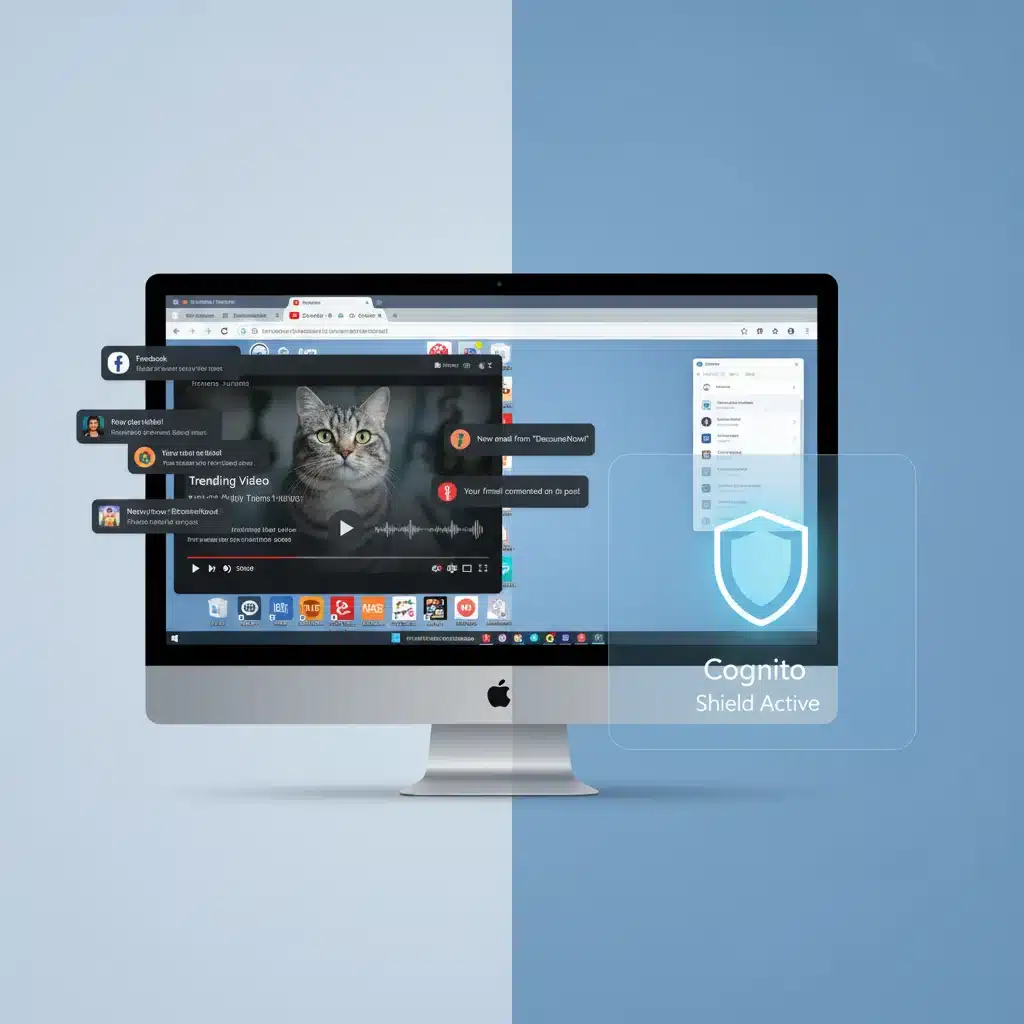
While ZenFlow AI targets individual users with a personalized approach, Cognito Shield is designed with teams and organizations in mind, offering robust, enterprise-grade control over digital distractions. It’s particularly geared towards companies with large remote workforces that need to ensure compliance, maintain productivity standards, and provide employees with effective tools to stay on task without feeling micromanaged.
Key Features of Cognito Shield:
- Team-Wide Focus Protocols: Administrators can set up customizable focus protocols for different teams or projects. For instance, the marketing team might have access to specific social media monitoring tools during certain hours, while the development team might have stricter blocks on entertainment sites during coding sprints. These protocols can be scheduled and automatically enforced.
- Dynamic Whitelisting & Blacklisting: Cognito Shield moves beyond static lists. It employs a dynamic whitelisting engine that allows access to sites and applications based on real-time project requirements. For example, if a team member is assigned a task requiring research on a new competitor, Cognito Shield can temporarily whitelist relevant news sites and industry blogs for that individual, while keeping other distractions blocked.
- Intelligent Timeboxing & Task-Based Blocking: Users can link Cognito Shield directly to their project management software (e.g., Asana, Jira, Trello). When a user starts a task, Cognito Shield automatically applies a tailored focus environment for the duration of that task, ensuring only relevant tools and websites are accessible. This makes task-switching less disruptive and more focused.
- Privacy-Preserving Analytics: For organizations, understanding productivity patterns is crucial. Cognito Shield offers aggregated, anonymized data insights into common distraction sources and peak focus times across teams, without infringing on individual privacy. This data can help managers identify systemic issues or optimize workflows, rather than surveilling individual employees.
- Secure & Compliant: Built with enterprise security in mind, Cognito Shield ensures that all data is encrypted and compliant with relevant privacy regulations (e.g., GDPR, CCPA). This makes it a reliable choice for companies handling sensitive information.
- Integrated Break Reminders & Pomodoro Timers: To prevent burnout, Cognito Shield includes customizable break reminders and Pomodoro timers that integrate seamlessly with the focus protocols. These aren’t just pop-ups; they can temporarily lift certain restrictions to encourage a genuine mental break.
Cognito Shield aims to strike a balance between organizational oversight and individual empowerment. It provides the framework for focused work while giving employees the tools to manage their own attention within those guidelines. Its robust features make it an attractive option for large-scale remote operations looking to standardize and optimize productivity.
3. AuraFlow: The Ambient Focus Augmenter
AuraFlow takes a distinctly different approach to combating digital distractions. Instead of aggressive blocking, it focuses on creating an ambient environment that subtly nudges users towards focus and away from distraction. It’s less about erecting firewalls and more about cultivating a mindful digital space, integrating with smart home devices and leveraging subtle sensory cues.
Key Features of AuraFlow:
- Adaptive Soundscapes & Binaural Beats: AuraFlow analyzes your activity and current focus level to generate personalized ambient soundscapes. During intensive work, it might introduce binaural beats proven to enhance concentration. During periods of potential distraction, it might subtly shift to sounds known to promote calmness and sustained attention. These are not just static playlists but dynamically generated audio environments.
- Dynamic Lighting Integration: For users with smart lighting systems (e.g., Philips Hue, LIFX), AuraFlow can integrate to adjust the ambient light in your workspace. It might shift to cooler tones for analytical tasks or warmer tones for creative work, subtly influencing your mood and cognitive state to optimize focus. It can also dim lights or change colors to signal the start of a focus block or a scheduled break.
- ‘Distraction Fade’ Technology: This innovative feature doesn’t block distracting websites or apps outright. Instead, when AuraFlow detects you’re drifting towards a known distraction (e.g., opening a social media tab), it gradually fades the content, desaturates colors, or introduces subtle visual noise, making the experience less engaging and nudging you to return to your primary task. It’s a gentle discouragement rather than a hard block.
- Haptic Feedback for Focus Reminders: For users with compatible smartwatches or wearables, AuraFlow can send subtle haptic pulses to gently remind you to refocus if it detects prolonged inactivity on your work applications or excessive switching to distracting sites. These are non-intrusive and designed to be a gentle nudge, not an abrupt interruption.
- Mindfulness Micro-Break Prompts: AuraFlow can detect patterns of prolonged intense focus and proactively suggest short, guided mindfulness exercises or stretching breaks, often accompanied by a shift in ambient sound and lighting. This helps prevent burnout and maintain sustained attention throughout the day.
- Digital Detox Scheduling: Beyond daily focus, AuraFlow allows users to schedule complete digital detox periods. During these times, it can automatically put devices into a ‘deep focus’ mode, even disabling non-essential internet access, and notify others of your unavailability, helping to enforce true work-life boundaries.
AuraFlow is for the remote worker who prefers a more subtle, environmental approach to focus. It understands that sometimes, the best way to combat distraction isn’t through force, but by creating an environment so conducive to focus that distractions simply lose their appeal. It transforms your entire digital and physical workspace into a haven of productivity.
Choosing the Right Digital Distraction Blocker for You
With these three powerful new digital distraction blockers on the horizon, US remote workers will have more sophisticated options than ever before. But which one is right for you?
- For the Individual Seeking Deep Personalization: If you value a tool that learns your habits, adapts to your unique workflow, and acts as an intelligent personal assistant for focus, ZenFlow AI is likely your best bet. Its AI-driven adaptability and cognitive load monitoring offer an unparalleled personalized experience.
- For Teams and Enterprises Requiring Structured Productivity: If you’re part of an organization that needs consistent focus protocols, robust administrative controls, and privacy-preserving analytics across a remote workforce, Cognito Shield offers the enterprise-grade features and security necessary to manage team-wide productivity effectively.
- For the Mindful Worker Who Prefers Subtle Nudges: If you believe in cultivating an environment conducive to focus rather than aggressive blocking, and appreciate the integration of sensory cues like sound and light, AuraFlow will resonate with your approach. It’s ideal for those who seek a more holistic, ambient solution to digital distraction.
It’s also worth considering that these tools aren’t mutually exclusive. Some remote workers might find value in using elements of one for their personal devices and another for their work-issued equipment, or even combining subtle ambient enhancements with more direct blocking methods.
The Future of Focus: Beyond Blocking
The emergence of these advanced digital distraction blockers in early 2026 signifies a broader trend: the shift from simply blocking unwanted content to actively cultivating environments of sustained focus. Future iterations will likely see even deeper integration with AI, personalized neuro-feedback, and seamless convergence with our smart homes and wearable tech. The goal is not just to survive the digital age but to thrive within it, harnessing technology to amplify our human capacity for creativity, problem-solving, and deep work.
For US remote workers, these tools represent more than just software; they are investments in mental clarity, productivity, and ultimately, a better work-life balance. As we eagerly await their release, the promise of a less distracted, more focused digital future becomes a tangible reality. Prepare to transform your remote work experience and reclaim your most precious resource: your attention.