Boost Remote Team Focus: Implement a No-Notification Policy

Anúncios
Boost Remote Team Focus: Implement a ‘No-Notification’ Policy for Peak Productivity
In the rapidly evolving landscape of remote work, one of the most persistent challenges teams face is maintaining sustained focus. The digital realm, while enabling global collaboration, also bombards us with a relentless stream of notifications – emails, chat messages, social media alerts, and app pings – each vying for our attention. This constant interruption fragments our focus, diminishes productivity, and contributes to mental fatigue. Imagine a world where your remote team could achieve 80% more focus. While that might sound ambitious, it’s an attainable goal through the strategic implementation of a ‘no-notification’ policy. This comprehensive guide will explore how such a policy can transform your remote team’s productivity, enhance well-being, and provide a roadmap for successful adoption by Q3 2026.
Anúncios
The Silent Saboteur: How Notifications Undermine Remote Team Focus
Before diving into solutions, it’s crucial to understand the insidious impact of constant notifications on remote team focus. While seemingly innocuous, each ‘ding’ or ‘pop-up’ carries a significant cognitive cost. Research consistently shows that even brief interruptions can take up to 23 minutes to recover from, leading to a phenomenon known as ‘attention residue’ where our minds linger on the previous task, impairing our ability to fully engage with the new one. For remote teams, where physical separation already necessitates deliberate communication, this issue is amplified.
The Hidden Costs of Constant Connectivity:
- Reduced Productivity: Fragmented work sessions mean tasks take longer, and the quality of work can suffer due to a lack of deep engagement.
- Increased Stress and Burnout: The constant pressure to be ‘always on’ and responsive leads to higher stress levels, anxiety, and ultimately, burnout among team members.
- Lower Quality Work: Deep work, which requires sustained, uninterrupted concentration, is essential for complex problem-solving, creative tasks, and strategic planning. Notifications make deep work almost impossible.
- Impaired Decision-Making: When our cognitive resources are constantly being reallocated, our ability to make sound decisions and think critically is compromised.
- Erosion of Team Cohesion: While counterintuitive, constant pings can paradoxically reduce meaningful communication by replacing thoughtful responses with hurried, superficial ones.
For remote teams, these costs are not just theoretical; they manifest in missed deadlines, lower morale, and a general feeling of being overwhelmed. The goal of improving remote team focus isn’t just about getting more done; it’s about fostering a healthier, more sustainable work environment where individuals can thrive.
Defining the ‘No-Notification’ Policy: More Than Just Muting Your Phone
A ‘no-notification’ policy is not about cutting off all communication; it’s about intentional communication and creating dedicated periods for uninterrupted work. It’s a strategic framework designed to minimize digital distractions during specific, agreed-upon times, allowing individuals and teams to engage in deep work. This policy moves beyond individual discipline to a team-wide commitment, creating a culture that values focus and respects concentration.
Anúncios
Key Principles of a Successful No-Notification Policy:
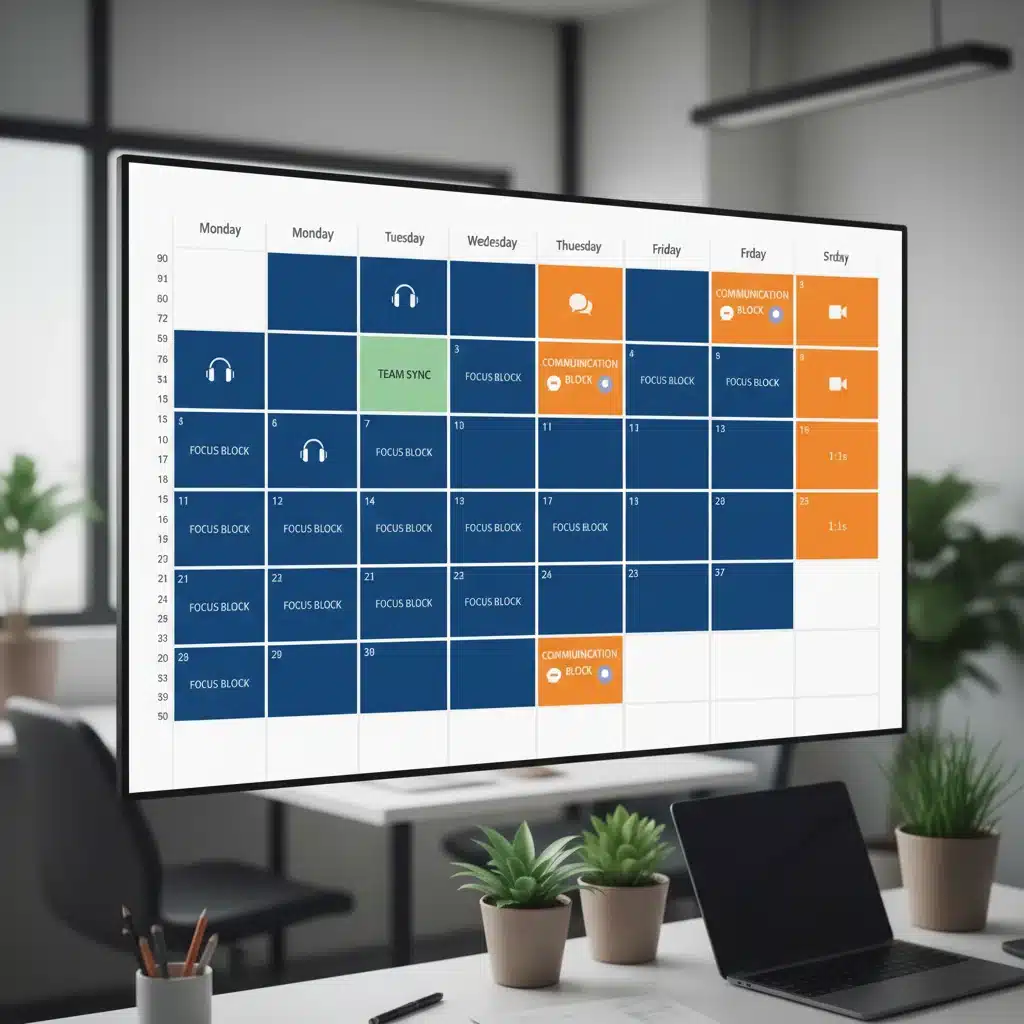
- Scheduled Focus Blocks: Designate specific hours or days where notifications are actively paused, and team members are expected to engage in deep work.
- Clear Communication Channels: Establish primary and secondary communication methods for different urgency levels. For example, urgent issues might use a specific ‘alert’ channel, while non-urgent matters are reserved for scheduled check-ins.
- Asynchronous Communication Emphasis: Encourage asynchronous communication as the default, allowing team members to respond to messages when they are not in a focus block.
- Team Agreement and Buy-in: The policy must be collaboratively developed and agreed upon by the entire team to ensure widespread adoption and adherence.
- Leadership by Example: Managers and team leaders must actively model the behavior, demonstrating their commitment to the policy.
Implementing such a policy requires a shift in mindset from instantaneity to intentionality. It’s about empowering remote teams to reclaim their time and attention, ultimately boosting remote team focus significantly.
Crafting Your No-Notification Policy: A Step-by-Step Guide
Successfully implementing a ‘no-notification’ policy requires careful planning and a phased approach. Here’s a detailed guide to help your remote team achieve greater focus.
Step 1: Assess Current Communication Habits and Pain Points
Before imposing new rules, understand the existing landscape. Conduct surveys or hold open discussions with your team to identify:
- Which communication tools are most disruptive? (Slack, email, project management tools, etc.)
- When do interruptions typically occur?
- What types of messages are genuinely urgent versus those that can wait?
- What are the biggest challenges to maintaining focus in the current setup?
This assessment will provide valuable insights and help tailor the policy to your team’s specific needs. Understanding current habits is the first step towards improving remote team focus.
Step 2: Educate and Build Awareness
Many team members might not fully grasp the cognitive cost of notifications. Educate them on the science behind attention residue, the benefits of deep work, and how a no-notification policy can improve their individual productivity and well-being. Share articles, studies, and personal anecdotes to illustrate the positive impact. Emphasize that this isn’t about micromanagement, but about empowering them to do their best work.

Step 3: Define Clear Focus Blocks
This is the cornerstone of the policy. Work with your team to establish specific ‘focus blocks’ during the day or week. These are periods when:
- All non-essential notifications are turned off (desktop, mobile, browser).
- Team members avoid checking emails or instant messages.
- Scheduled meetings are avoided.
- The expectation is deep, uninterrupted work.
Consider starting with shorter blocks (e.g., 2 hours) and gradually increasing them. It’s often beneficial to schedule these blocks at times when individual energy levels are naturally high. For example, some teams might implement ‘no-meeting mornings’ or ‘deep work afternoons’. Clearly communicating these blocks helps manage expectations and reinforce remote team focus.
Step 4: Establish Communication Guidelines for Each Channel
Clarify how and when each communication tool should be used:
- Email: Best for non-urgent, detailed communication. Define an expected response time (e.g., within 24 hours).
- Instant Messaging (Slack, Teams): For quick questions or non-urgent updates. Discourage real-time expectation during focus blocks. Utilize status messages (e.g., ‘In Focus Time – will respond at 2 PM’).
- Project Management Tools (Asana, Trello, Jira): For task-specific updates and discussions. Encourage comments and updates to be self-contained rather than triggering constant pings.
- Urgent Communication Channel: Designate one, and only one, channel for truly urgent matters (e.g., a specific ‘urgent’ Slack channel, or a phone call for emergencies). Emphasize that this channel should be used sparingly.
These guidelines are critical for managing remote team focus and ensuring that urgent matters are still addressed efficiently without disrupting everyone.
Step 5: Implement ‘Communication Zones’ or ‘Check-in Times’
Alongside focus blocks, define ‘communication zones’ or specific times when team members are expected to check and respond to messages. This could be 30 minutes at the start and end of the day, or specific hourly check-ins. This ensures that communication doesn’t cease entirely, but is instead batched and managed efficiently. This structured approach helps maintain remote team focus during designated work periods.
Step 6: Leverage Technology to Support the Policy
Many tools can aid in implementing a no-notification policy:
- Do Not Disturb Modes: Encourage the use of OS-level and application-specific ‘Do Not Disturb’ features.
- Status Messages: Train your team to use status messages in communication apps (e.g., ‘Focus Time until 11 AM’).
- Scheduling Tools: Use calendar tools to block out focus time, making it visible to others.
- Batching Tools: Explore tools that can batch notifications or deliver them at specific intervals.
Step 7: Pilot, Review, and Iterate
Start with a pilot program, perhaps for a week or two, to test the policy’s effectiveness. Gather feedback from the team. What’s working? What are the challenges? Be prepared to adjust the policy based on real-world experience. This iterative approach is key to long-term success and continuous improvement of remote team focus.
Overcoming Challenges and Ensuring Success
Implementing a new policy, especially one that impacts ingrained habits, comes with its challenges. Here’s how to navigate them:
Challenge 1: Fear of Missing Out (FOMO) and Urgency Culture
Remote teams often develop an ‘always-on’ culture where immediate responses are expected. This can lead to FOMO if team members are not constantly checking notifications. Overcome this by:
- Reinforcing Trust: Emphasize that the policy is built on trust and respect for individual work styles.
- Clear Urgency Protocols: Ensure everyone knows how to handle true emergencies.
- Celebrating Focus: Acknowledge and reward team members who successfully adopt and benefit from the policy, linking it directly to improved remote team focus.
Challenge 2: Initial Drop in Responsiveness
During the initial phase, there might be a perceived drop in responsiveness. Address this by:
- Setting Clear Expectations: Communicate new response time expectations proactively to internal and external stakeholders.
- Training on Asynchronous Communication: Help the team master writing clear, comprehensive asynchronous messages that reduce the need for immediate back-and-forth.
- Highlighting Long-Term Gains: Remind everyone that short-term adjustments lead to long-term gains in remote team focus and output.
Challenge 3: Managing External Stakeholder Expectations
If your team interacts with clients or external partners, you’ll need to manage their expectations regarding response times. This might involve:
- Automated Replies: Use ‘out of office’ or ‘focus time’ automated replies for emails.
- Proactive Communication: Inform key external contacts about your team’s new working hours or communication protocols.
- Dedicated Liaisons: For critical client relationships, consider having a designated team member who monitors urgent external communications during focus blocks.
Challenge 4: Ensuring Leadership Buy-in and Modeling
If leaders don’t adhere to the policy, it will fail. Managers must lead by example:
- Actively participating in focus blocks.
- Avoiding sending non-urgent messages during team focus times.
- Publicly endorsing and championing the policy.
Leadership commitment is paramount to fostering a culture that supports remote team focus.
Measuring Success: How to Track the Impact on Remote Team Focus
To ensure your ‘no-notification’ policy is achieving its intended goals, it’s vital to measure its impact. This isn’t just about anecdotal evidence; it’s about quantifiable improvements that demonstrate enhanced remote team focus and productivity.
Key Metrics to Monitor:
- Project Completion Rates and Timeliness: Are projects being completed more efficiently and on schedule? Track the number of tasks completed within deadlines.
- Quality of Work: While subjective, look for improvements in the depth, creativity, and accuracy of deliverables. Peer reviews and client feedback can be indicative.
- Employee Well-being and Satisfaction: Conduct anonymous surveys to gauge stress levels, feelings of being overwhelmed, and overall job satisfaction before and after policy implementation. Look for reductions in burnout symptoms.
- Self-Reported Focus Levels: Ask team members to rate their ability to maintain focus during work sessions.
- Time Spent in Communication Tools: If your communication platforms offer analytics, track the time spent in chat channels versus dedicated work. Look for a shift towards more focused work sessions.
- Meeting Efficiency: Are meetings shorter, more focused, and less frequent now that more information is communicated asynchronously?
Set a baseline before implementation and regularly review these metrics. Celebrate successes and use the data to refine the policy further. This data-driven approach will solidify the benefits of improved remote team focus.
The Long-Term Benefits of a Focused Remote Team Culture
Beyond the immediate gains in productivity, a ‘no-notification’ policy cultivates a healthier, more sustainable remote work culture. By prioritizing deep work and intentional communication, organizations can reap significant long-term benefits:
- Enhanced Employee Engagement: When employees feel empowered to control their attention and produce high-quality work, their engagement and motivation naturally increase.
- Improved Innovation and Creativity: Deep work is the crucible for innovative thinking. By providing uninterrupted time, teams are more likely to generate creative solutions and breakthrough ideas.
- Stronger Team Cohesion: Paradoxically, by reducing constant pings, teams can engage in more meaningful, high-quality interactions during designated communication times, fostering stronger bonds.
- Reduced Employee Turnover: A work environment that respects boundaries, minimizes stress, and supports well-being is more likely to retain top talent.
- Competitive Advantage: Teams that can consistently deliver high-quality, focused work will naturally outperform those constantly battling digital distractions.
Achieving 80% more remote team focus by Q3 2026 isn’t just a bold objective; it’s a strategic imperative for any remote organization aiming for sustained success and employee well-being in the digital age. The ‘no-notification’ policy is a powerful tool to make this vision a reality.
Conclusion: Reclaiming Attention, Boosting Remote Team Focus
The digital age has gifted us unprecedented connectivity, but it has also created a pervasive culture of distraction. For remote teams, this challenge is particularly acute, undermining productivity, increasing stress, and hindering the quality of work. Implementing a well-structured ‘no-notification’ policy is not merely a suggestion; it’s a critical strategy for organizations committed to empowering their remote workforce.
By establishing clear focus blocks, defining communication guidelines, leveraging technology, and fostering a culture of intentionality, your team can reclaim its attention and unlock its full potential. This comprehensive approach will not only boost remote team focus by a significant margin but also cultivate a healthier, more engaged, and ultimately more successful workforce. The time to act is now. Start planning your ‘no-notification’ policy today and set your remote team on a path to unprecedented focus and productivity by Q3 2026.