Digital Declutter for Focus: Reclaim 2 Hours Weekly with These 5 Strategies in 2026

Anúncios
In our increasingly hyper-connected world, the constant deluge of digital information and notifications has become a pervasive source of distraction. The promise of instant communication and endless entertainment often comes at the cost of our focus, productivity, and even our mental well-being. If you find yourself constantly checking your phone, feeling overwhelmed by your inbox, or struggling to concentrate on important tasks, it’s time to consider a digital declutter. This comprehensive guide will introduce you to five powerful digital declutter strategies designed to help you reclaim at least two hours of your week and enhance your focus significantly in 2026.
The concept of a digital declutter isn’t about abandoning technology entirely; rather, it’s about intentionally managing your digital environment to serve your goals, not detract from them. It’s about creating boundaries, optimizing your tools, and cultivating mindful usage habits. By implementing these strategies, you’ll not only free up valuable time but also experience a profound improvement in your ability to concentrate, think clearly, and engage more deeply with the world around you.
The Pervasive Problem of Digital Overload
Before diving into the solutions, let’s acknowledge the problem. Studies show that the average person spends several hours a day on their smartphone, often switching between apps and tasks, leading to what’s known as ‘attention residue.’ This phenomenon describes the lingering thoughts about a previous task that impair performance on the current one. The constant pings, vibrations, and visual cues from our devices train our brains to seek novelty, making sustained attention a rare commodity. This digital chaos isn’t just a nuisance; it’s a significant drain on our cognitive resources and a major impediment to achieving our goals.
Anúncios
Moreover, the sheer volume of digital content – emails, social media feeds, news articles, streaming services – can lead to decision fatigue and a feeling of being constantly behind. This perpetual state of ‘always on’ can contribute to stress, anxiety, and a diminished sense of control over our time and attention. A strategic digital declutter is no longer a luxury; it’s a necessity for anyone looking to thrive in the modern age.
Strategy 1: The Notification Purge – Silence the Digital Noise
The first and arguably most impactful step in any digital declutter is to aggressively manage your notifications. Each notification is a tiny interruption that pulls your attention away from what you’re doing, no matter how brief. Over time, these interruptions accumulate, severely fragmenting your focus and productivity.
Anúncios
Assess and Prioritize
Start by auditing every app on your smartphone, tablet, and computer. For each app, ask yourself: ‘Does this app genuinely need to notify me instantly, or can its information wait?’ Be ruthless. Most apps do not require immediate attention.
- Turn off non-essential notifications: This includes social media likes, comments, news alerts, game updates, and most shopping app promotions. Keep only those that are absolutely critical for your work or personal safety, such as important calendar reminders or direct messages from close family/colleagues.
- Batch notifications: For apps that you need to check but don’t require instant alerts (e.g., email, certain messaging apps), consider turning off push notifications and instead schedule specific times to check them. For example, check email twice a day, not constantly.
- Utilize ‘Do Not Disturb’ modes: Most devices offer robust ‘Do Not Disturb’ or ‘Focus’ modes. Configure these to activate automatically during your work hours, sleep, or dedicated focus periods. You can often set exceptions for urgent calls from specific contacts.
- Desktop notifications: Don’t forget your computer. Browser notifications, often from news sites or SaaS tools, can be just as disruptive. Disable them for all but the most essential work tools.
The immediate effect of this notification purge will be a palpable sense of calm. Your device will become a tool you control, rather than a master dictating your attention. This foundational step is crucial for any effective digital declutter and paves the way for deeper focus.
Strategy 2: The App and File Audit – Declutter Your Digital Spaces
Just as a cluttered physical space can lead to a cluttered mind, a disorganized digital environment can hinder your efficiency and focus. This strategy involves systematically cleaning up your devices and digital files.
Smartphone and Tablet Declutter
- Delete unused apps: Go through your apps and uninstall anything you haven’t used in the last month or two. Each app is a potential distraction. The fewer apps you have, the less temptation there is to open them.
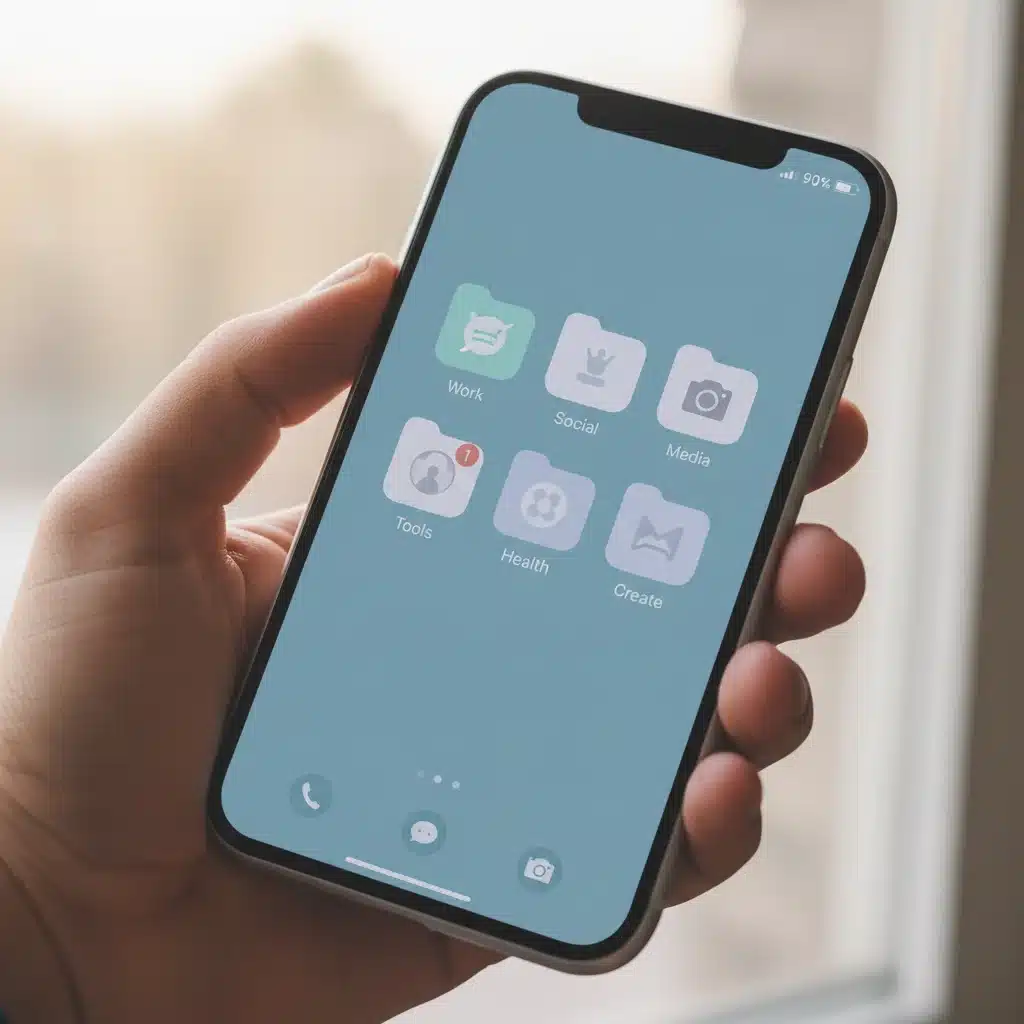
- Organize remaining apps: Group similar apps into folders. Consider using a ‘one-screen’ approach where your most essential apps are on your primary home screen, and others are tucked away in folders or on subsequent screens.
- Limit home screen widgets: While some widgets can be useful, many are simply visual clutter or offer too much information at a glance, inviting distraction. Keep your home screen as clean as possible.
- Review photos and videos: Regularly delete blurry photos, duplicates, and videos you no longer need. Organize existing media into albums to make them easier to find. Consider cloud storage for archiving.
Computer and Cloud Storage Declutter
- Clean up your desktop: A cluttered desktop with dozens of icons is visually distracting. Move files into well-organized folders. Aim for a minimalist desktop background that doesn’t compete for your attention.
- Organize files and folders: Implement a consistent filing system. Create logical categories for your documents, projects, and media. Regularly review your ‘Downloads’ folder and process its contents.
- Empty your trash/recycle bin: Regularly emptying these ensures truly deleted files are gone and frees up space.
- Unsubscribe from unnecessary newsletters: Your inbox is a digital space too. Use tools like Unroll.me or simply manually unsubscribe from newsletters you no longer read.
- Cloud storage: Apply the same principles to your cloud drives (Google Drive, Dropbox, OneDrive). Delete old, redundant files and organize the rest into clear folder structures.
An organized digital workspace reduces cognitive load. When you know where everything is, you spend less time searching and more time doing. This proactive approach to a digital declutter creates a more efficient and less stressful environment.
Strategy 3: The Time-Blocking and Focus Session Method – Schedule Your Attention
One of the most effective ways to combat digital distraction is to intentionally schedule your time for specific activities, including focused work and designated digital breaks. This strategy is a cornerstone of any successful digital declutter plan.
Implement Time Blocking
- Allocate specific blocks for deep work: Identify your most important tasks and schedule dedicated, uninterrupted blocks of time for them in your calendar. During these ‘deep work’ sessions, turn off all non-essential notifications (refer back to Strategy 1) and close irrelevant tabs and applications.
- Schedule ‘digital check-in’ times: Instead of constantly checking emails and social media, schedule 15-30 minute slots a few times a day specifically for these activities. Outside of these times, resist the urge to check.
- Plan for digital breaks: It’s not sustainable to be ‘on’ all the time. Schedule short breaks where you can step away from your screen entirely, or engage in a non-digital activity.
Utilize Focus Techniques
- The Pomodoro Technique: Work in 25-minute focused bursts, followed by a 5-minute break. After four Pomodoros, take a longer 15-30 minute break. This structured approach helps train your attention span.
- Single-tasking: Resist the urge to multitask. Focus on completing one task before moving to the next. Close all other tabs and applications that are not directly relevant to your current task.
- Use focus-enhancing tools: Consider apps that block distracting websites or applications for set periods (e.g., Freedom, Cold Turkey). Some browsers offer ‘reader mode’ to strip away distractions from articles.
By actively scheduling your attention, you’re taking back control from the reactive cycle of digital demands. This proactive approach to managing your time is a vital component of a sustained digital declutter, leading to higher quality work and reduced mental fatigue.
Strategy 4: The Social Media and Entertainment Detox – Mindful Consumption
Social media and streaming services are designed to be addictive, constantly vying for your attention. While they can offer connection and entertainment, unchecked usage can quickly erode your focus and consume hours of your day. This strategy focuses on mindful consumption and setting firm boundaries.
Evaluate Your Usage
- Track your screen time: Most smartphones and operating systems now include built-in screen time trackers. Use these to get an honest assessment of how much time you’re spending on specific apps, especially social media and entertainment. The results can be eye-opening.
- Identify your triggers: What leads you to open social media? Is it boredom, stress, a need for connection, or just habit? Understanding your triggers can help you develop alternative, healthier responses.
Implement Consumption Boundaries
- Delete non-essential social media apps from your phone: If you find yourself mindlessly scrolling, remove the apps from your smartphone. Access them only from a computer during scheduled ‘digital check-in’ times (as per Strategy 3). This adds a layer of friction that can break the habit.
- Unfollow accounts that don’t add value: Curate your feeds. Unfollow or mute accounts that consistently make you feel anxious, inadequate, or simply don’t provide useful or inspiring content. Focus on quality over quantity.
- Set app limits: Use your device’s built-in app limits to restrict how much time you spend on certain applications each day. Once the limit is reached, the app will lock you out.
- Create ‘no-phone zones’ or times: Designate certain areas (e.g., bedroom, dining table) or times (e.g., first hour of the morning, last hour before bed) as completely phone-free.
- Mindful entertainment: Approach streaming services with intentionality. Instead of endless autoplay, choose a specific show or movie, watch it, and then turn off the device. Avoid background noise from screens.
A successful digital declutter in this area means shifting from passive consumption to active engagement. It’s about using these platforms as tools when you choose, rather than being used by them. This conscious approach frees up significant mental bandwidth and time.
Strategy 5: The Digital Sunset and Sunrise – Establishing Tech-Free Bookends
How you start and end your day significantly impacts your overall focus and well-being. This strategy involves creating tech-free periods at the beginning and end of your day to establish clear boundaries between your digital and personal life.
The Digital Sunset
- Implement a ‘digital curfew’: Decide on a specific time each evening (e.g., 9 PM) after which all non-essential screens are put away. This means no social media, news, or work emails.
- Charge devices outside the bedroom: The temptation to scroll ‘just a little bit more’ is strong when your phone is next to your bed. Charge your smartphone and tablet in another room. Use an actual alarm clock for waking up.
- Engage in analog wind-down activities: Replace screen time with activities that promote relaxation and prepare you for sleep. This could include reading a physical book, journaling, listening to music, talking with family, or light stretching.
- Blue light filters: If you must use a screen before bed, activate blue light filters (Night Shift on iOS, Night Light on Android/Windows) to reduce the disruptive effects of blue light on melatonin production.
The Digital Sunrise
- Avoid screens for the first hour: Resist the urge to immediately check your phone or email upon waking. This allows your brain to transition gently into the day without being immediately overwhelmed by external demands.
- Establish a morning routine: Use this tech-free time for activities that set a positive tone for your day. This could include meditation, exercise, reading, planning your day, or enjoying a quiet breakfast.
- Prioritize your day: Before diving into digital tasks, take a few minutes to review your priorities for the day. This proactive planning helps you direct your attention effectively rather than reacting to incoming digital demands.
By creating these tech-free bookends, you’re not just practicing a digital declutter; you’re actively protecting your mental space and improving your sleep quality and morning clarity. This consistent practice reinforces your control over technology and fosters a more intentional approach to your daily life.

Measuring Your Success and Sustaining the Digital Declutter
Implementing these digital declutter strategies is a journey, not a one-time event. To truly reclaim two hours weekly and maintain enhanced focus, it’s essential to track your progress, adapt your approach, and remain committed.
Track Your Time Savings
Initially, you might not feel like you’ve magically gained two hours. However, by consistently applying these strategies, you’ll notice subtle shifts. Use your device’s screen time reports to monitor reductions in usage for distracting apps. Keep a simple journal for a week or two, noting down how you’ve used the time you previously spent on digital distractions. You might discover you’re reading more, exercising, spending quality time with loved ones, or finally tackling that personal project.
Reflect and Adjust
Periodically review your digital habits. What’s working well? Where are you still struggling? For instance, if you find yourself still checking social media too often, perhaps you need to delete the app entirely for a while or set stricter app limits. If email is still overwhelming, maybe you need to unsubscribe from more mailing lists or create more aggressive filtering rules. The goal is continuous improvement, making your digital declutter a dynamic process.
Communicate Your Intentions
If you live with others or work in a team, communicate your intention to reduce digital interruptions. Let friends and family know about your ‘no-phone zones’ or ‘digital curfews.’ Inform colleagues about your scheduled email check-in times. This helps manage expectations and reduces the pressure to be constantly available.
Embrace Analog Alternatives
Part of a successful digital declutter is rediscovering the joy of analog activities. Instead of reaching for your phone during downtime, pick up a book, go for a walk, engage in a hobby, or simply sit in quiet contemplation. These activities not only provide a break from screens but also foster creativity, reflection, and genuine connection.
Be Patient and Kind to Yourself
Breaking ingrained digital habits takes time and effort. There will be days when you slip up, and that’s perfectly normal. Don’t let a momentary lapse derail your entire effort. Acknowledge it, understand what triggered it, and recommit to your strategies. The aim is progress, not perfection.
The Long-Term Benefits of a Digital Declutter
Beyond reclaiming two hours weekly, the long-term benefits of a consistent digital declutter are profound:
- Enhanced Focus and Concentration: Your brain will gradually retrain itself to sustain attention for longer periods, improving your performance in work, studies, and personal projects.
- Reduced Stress and Anxiety: Less digital noise means less cognitive overload, leading to a calmer mind and a significant reduction in feelings of being overwhelmed.
- Improved Sleep Quality: Limiting screen time before bed helps regulate your circadian rhythm, leading to deeper, more restorative sleep.
- Greater Productivity: By focusing on what truly matters and minimizing distractions, you’ll accomplish more in less time.
- Stronger Relationships: Being present in conversations and interactions, free from digital interruptions, strengthens your bonds with others.
- Increased Creativity and Problem-Solving: When your mind isn’t constantly stimulated by external inputs, it has more space to wander, connect ideas, and generate novel solutions.
- More Time for Hobbies and Personal Growth: The reclaimed hours can be dedicated to pursuits that genuinely enrich your life, leading to greater personal satisfaction.
Conclusion: Your Path to Digital Freedom in 2026
The year 2026 presents an opportunity to redefine your relationship with technology. By adopting these five digital declutter strategies – the Notification Purge, the App and File Audit, the Time-Blocking and Focus Session Method, the Social Media and Entertainment Detox, and the Digital Sunset and Sunrise – you are not just minimizing distractions; you are actively investing in your mental clarity, productivity, and overall well-being. Start small, be consistent, and witness the transformative power of intentional digital living. Reclaim your time, reclaim your focus, and unlock a more present and productive version of yourself.