2025 Visa Changes for Digital Nomads: US Citizen Action Plan
Understanding and preparing for the anticipated 2025 visa changes is crucial for US digital nomads, requiring a proactive 3-month action plan to ensure compliance and seamless international remote work experiences.
As the landscape of global remote work continues to evolve, US citizens embracing the digital nomad lifestyle face new considerations, particularly with the anticipated 2025 visa changes for digital nomads. Staying informed and prepared is not just an advantage; it’s a necessity for those looking to maintain their flexible, international careers. This article provides a comprehensive 3-month action plan designed to help you navigate these upcoming shifts with confidence and clarity.
Understanding the Evolving Digital Nomad Visa Landscape
The concept of digital nomad visas has rapidly gained traction globally, reflecting a growing recognition of remote work’s economic benefits. However, as more countries introduce these visas, the regulations and requirements are also becoming more refined and, in some cases, more stringent. For US citizens, understanding these evolving frameworks is the first critical step in preparing for 2025.
Many nations initially launched digital nomad visas as a response to the pandemic, aiming to attract long-term visitors who contribute to local economies without competing for local jobs. While the core intent remains, the specifics are often subject to review and modification. These changes can include adjustments to income thresholds, required health insurance, background checks, and the duration of stay.
The Rise of Digital Nomad Visas
The past few years have seen an explosion in the number of countries offering specific visas for remote workers. This trend indicates a long-term shift in global immigration policies, accommodating the modern workforce. However, this proliferation also means increased complexity for nomads.
- Increased Options: More countries are opening their doors to digital nomads than ever before.
- Varied Requirements: Each country has unique criteria, from income levels to proof of remote employment.
- Dynamic Policies: Visa rules are not static and can change with little notice, necessitating constant vigilance.
Why 2025 is a Critical Year for US Digital Nomads
2025 is projected to be a pivotal year due to several factors. Many of the initial digital nomad visa programs, launched in 2020-2022, will be undergoing their first major reviews. This could lead to a standardization of requirements across regions or, conversely, a further divergence as countries tailor policies to their specific economic and social goals. US citizens, with their strong passport, historically enjoyed relatively easy access to many countries; however, specific digital nomad visas are designed to regulate longer stays and tax implications, making them increasingly relevant.
The evolving geopolitical landscape and economic pressures also play a role. Countries might adjust visa fees, processing times, or even introduce quotas to manage the influx of remote workers. Being proactive now will save considerable stress and potential disruption later. This means staying updated on official government websites and reputable immigration news sources.
In essence, the digital nomad visa landscape is maturing. What began as an experimental offering is now becoming a more formalized immigration pathway. For US citizens, this means moving beyond tourist visas for extended stays and embracing the specific legal frameworks designed for remote workers, ensuring compliance and long-term viability in their chosen destinations.
Month 1: Research and Initial Assessment
The first month of your 3-month action plan is dedicated to thorough research and a personal assessment of your current situation and future aspirations. This foundational work will inform all subsequent steps, ensuring your plans are realistic and well-aligned with the impending changes.
Begin by identifying potential countries that align with your lifestyle, work requirements, and personal preferences. Do not limit yourself to destinations you’ve already considered; explore new options that might offer more favorable visa terms in 2025. Once you have a shortlist, dive deep into their specific digital nomad visa requirements.
Identifying Target Countries and Their Visa Requirements
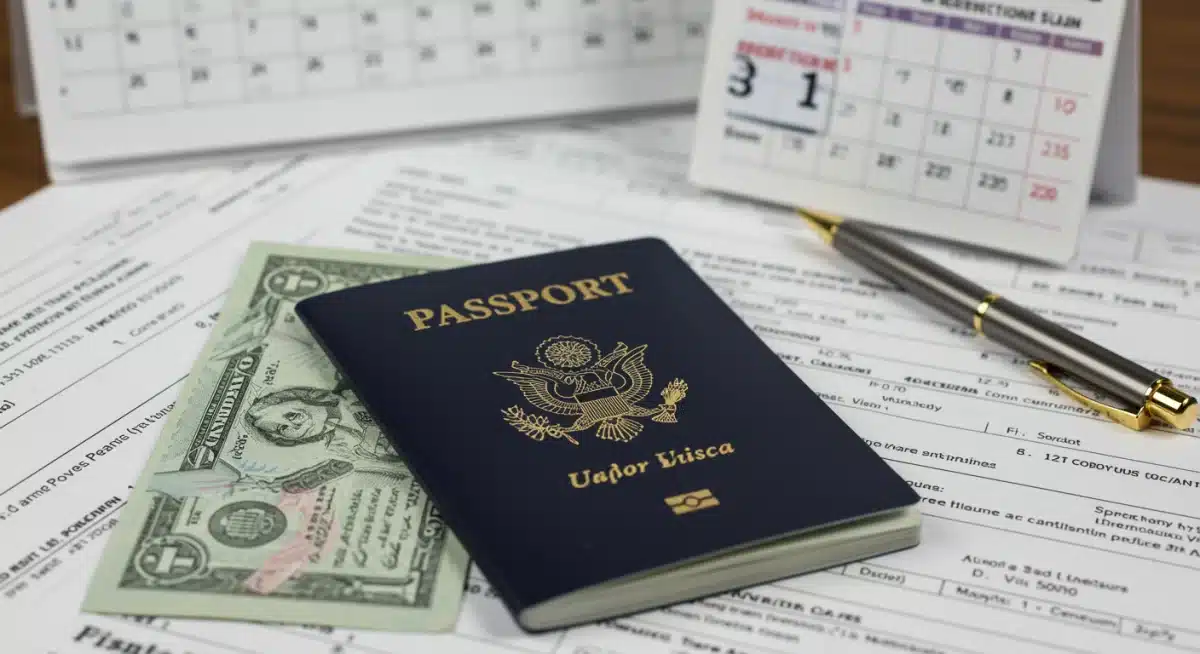
Start by compiling a list of countries that currently offer digital nomad visas or are likely to introduce them by 2025. Focus on those that genuinely appeal to you. Once you have a preliminary list, immediately check their official immigration websites. Look for details on income thresholds, required documents, application processes, and any announced or anticipated changes for 2025.
- Income Requirements: Note the minimum monthly or annual income needed. This is often a non-negotiable criterion.
- Proof of Employment: Understand what kind of contracts or client agreements are required to prove remote work status.
- Health Insurance: Most visas mandate comprehensive health insurance coverage for the duration of your stay.
- Background Checks: Be aware of any criminal record checks or other security clearances that may be necessary.
Assessing Your Current Eligibility and Documentation
Once you understand the general requirements, it’s time to compare them against your own situation. Gather all relevant personal and professional documents. This includes your passport, birth certificate, academic degrees, professional certifications, and any existing employment contracts. Ensure your passport is valid for at least six months beyond your intended stay in any potential destination.
Consider your financial standing. Do you consistently meet the income requirements? If not, what steps can you take in the next two months to bridge that gap? This might involve taking on additional freelance projects or adjusting your budget. Proactively identifying any potential roadblocks now will save valuable time later.
Consulting Official Sources and Expert Advice
Relying on anecdotal evidence or outdated blog posts can be detrimental. Always prioritize official government websites for the most accurate and up-to-date visa information. Supplement this with insights from reputable immigration lawyers specializing in digital nomad visas. They can offer personalized advice and clarify complex legal jargon.
Engage with digital nomad communities, but treat their experiences as supplementary information rather than definitive guidance. Policies vary widely, and what applied to one person in one country might not apply to you in another, especially with upcoming changes. This initial research phase is about gathering facts and understanding the landscape before making any concrete decisions.
Month 2: Legal and Financial Preparations
With a solid understanding of potential destinations and their requirements, Month 2 shifts focus to the critical legal and financial groundwork. This involves organizing your documents, consulting professionals, and solidifying your financial stability to meet visa criteria.
This stage is where the rubber meets the road. You’ll move from research to actionable steps, gathering the necessary paperwork and making strategic financial adjustments. Delays in this phase can significantly impact your application timeline, so efficiency is key.
Gathering Essential Documents and Certifications
Based on your Month 1 research, create a detailed checklist of every document required for your top 2-3 target countries. This often includes notarized copies, apostilled documents, and specific translations. Start collecting these now, as some processes, like obtaining an apostille, can take weeks or even months.
Common documents typically include:
- Valid passport (with sufficient remaining validity)
- Proof of remote employment (contracts, employer letters, client testimonials)
- Bank statements demonstrating required income/savings
- Comprehensive health insurance policy (with international coverage)
- Proof of accommodation (initial booking or rental agreement)
- Criminal record check (police clearance certificate)
- Academic qualifications or professional licenses, if applicable
Do not underestimate the time required for this step. Request official transcripts, police reports, and any other certificates well in advance. Check the expiration dates on all documents to ensure they will remain valid throughout your application process and initial stay.
Consulting Immigration Lawyers and Tax Professionals
Engaging with an immigration lawyer specializing in digital nomad visas is a wise investment. They can review your specific situation, confirm your eligibility, and help you navigate the nuances of the application process. They can also advise on potential pitfalls and ensure all documentation is correctly prepared, minimizing the risk of rejection.
Furthermore, understanding the tax implications of remote work abroad is paramount for US citizens. The US taxes its citizens on worldwide income, regardless of where they reside. A tax professional specializing in expatriate taxes can help you understand the Foreign Earned Income Exclusion (FEIE), tax treaties, and any tax obligations in your host country. Proper tax planning can prevent costly mistakes and ensure compliance with both US and international tax laws.
Budgeting and Financial Planning for Visa Requirements
Review your budget to ensure you consistently meet the income threshold of your chosen visa. If there’s a shortfall, develop a plan to increase your income or save more aggressively. Remember to factor in visa application fees, potential legal consultation costs, health insurance premiums, and initial relocation expenses.
Many digital nomad visas require proof of sufficient funds to support yourself without relying on local employment. This might include a lump sum in a savings account. Ensure these funds are accessible and verifiable through official bank statements. This careful financial planning ensures you not only qualify for the visa but also maintain financial stability once you’ve relocated.
Month 3: Application and Logistics
The final month of your action plan focuses on the actual visa application process and finalizing logistical arrangements. This is the culmination of your research and preparation, requiring meticulous attention to detail and a strategic approach to travel planning.
By this stage, most of your documents should be prepared, and you should have a clear understanding of the application process. The goal is to submit a complete and compelling application, followed by efficient travel arrangements.
Submitting Your Visa Application
Double-check every piece of your application before submission. Ensure all forms are correctly filled out, all required documents are attached in the specified format, and all fees are paid. Many countries now have online application portals, but some may still require physical submissions or embassy appointments.
Pay close attention to any interview requirements. If an interview is part of the process, prepare thoroughly. Be ready to articulate your remote work, your financial stability, and your intentions for staying in the country. Honesty and clarity are crucial. Keep copies of everything you submit for your records.
Arranging Travel and Accommodation
Once your visa application is submitted and, ideally, approved, you can finalize your travel plans. Book flights and secure initial accommodation. Many digital nomad visas require proof of accommodation for at least the first few weeks or months. This could be a short-term rental, a hotel booking, or even an invitation from a local resident.
Consider the timing of your arrival in relation to your visa start date. Plan for a buffer period in case of travel delays or unforeseen circumstances. Research local transportation, connectivity options, and essential services in your chosen city. Having these logistics sorted will make your transition smoother and less stressful.
Post-Arrival Compliance and Integration
Your responsibilities don’t end once you arrive. Understand the post-arrival requirements of your visa. This might include registering with local authorities, obtaining a local tax ID, or opening a local bank account. Failing to comply with these post-arrival steps can jeopardize your visa status.
Actively seek to integrate into the local community. Learn basic phrases of the local language, understand cultural norms, and explore opportunities to connect with other expats and locals. A smooth integration makes for a more enjoyable and sustainable digital nomad experience. Remember, you’re not just a visitor; you’re a temporary resident contributing to the local fabric.
Potential Challenges and How to Mitigate Them
Even with the most meticulous planning, challenges can arise when navigating international visa processes and relocating. Anticipating these hurdles and having strategies to mitigate them is crucial for a successful digital nomad journey in 2025.
From unexpected policy shifts to logistical nightmares, being prepared for the unforeseen can make all the difference. Proactive problem-solving is a cornerstone of the digital nomad lifestyle.
Unexpected Visa Policy Changes
Government policies can change with little or no notice. A country might suddenly alter its income requirements, introduce new document mandates, or even suspend its digital nomad visa program. This unpredictability is a significant challenge for long-term planning.
- Stay Updated: Regularly check official government immigration websites and subscribe to reputable immigration news feeds.
- Have Backup Plans: Identify secondary and tertiary countries that also meet your criteria, so you have alternatives if your primary choice becomes unfeasible.
- Build a Buffer: Don’t apply at the last minute. Give yourself ample time for processing delays or the need to re-apply if policies shift.
Financial Fluctuations and Economic Instability
Your income might fluctuate, or currency exchange rates could shift unfavorably, impacting your ability to meet the visa’s financial requirements. Global economic instability can also affect job security, which is foundational to your remote work status.
To mitigate this, build a robust emergency fund that covers several months of living expenses. Diversify your income streams if possible, reducing reliance on a single client or employer. Regularly monitor exchange rates and adjust your budget accordingly. Consider investments that offer some stability against economic downturns.
Logistical Hurdles and Integration Difficulties
Moving to a new country involves numerous logistical challenges, from finding suitable housing to setting up local utilities and understanding new bureaucratic systems. Cultural differences and language barriers can also lead to feelings of isolation or difficulty integrating.
Research local housing markets and consider using reputable relocation services if needed. Join expat groups online and in person to build a support network. Enroll in language classes to facilitate daily interactions. Be patient with yourself during the adjustment period; cultural integration takes time and effort. Embrace the learning experience, as it’s part of the adventure.
Addressing these potential challenges proactively can significantly reduce stress and improve your overall experience as a digital nomad. Flexibility and resilience are key attributes that will serve you well in this dynamic lifestyle.
The Importance of Continuous Learning and Adaptation
The digital nomad landscape is not static; it is a constantly evolving environment shaped by global events, economic trends, and policy shifts. For US citizens, success in this lifestyle hinges on a commitment to continuous learning and a high degree of adaptability.
This ongoing engagement ensures you remain compliant, informed, and capable of pivoting when necessary. It’s about building a sustainable framework for your remote work journey, not just a one-time visa application.
Staying Informed on Global Policy Changes
Beyond your initial research for 2025, make it a habit to regularly check official immigration websites, subscribe to newsletters from reputable immigration law firms, and follow international news sources that report on travel and visa policies. Set up Google Alerts for keywords related to ‘digital nomad visa’ and your target countries.
Understanding the broader geopolitical and economic context can also provide early indicators of potential policy changes. For instance, a country experiencing a tourism downturn might introduce more favorable digital nomad visa terms, while one facing over-tourism might tighten restrictions. Being aware of these trends allows for earlier adaptation.
Networking with Other Digital Nomads
The digital nomad community is a rich source of real-time information and shared experiences. Engage with online forums, social media groups, and local meetups. Other nomads can offer practical advice on navigating local bureaucracy, finding accommodation, or dealing with unexpected challenges. Their experiences, while not always directly applicable, can provide valuable insights and warnings.
However, always cross-reference any information with official sources. While community insights are helpful for day-to-day living, visa and legal advice should always come from qualified professionals or government websites. Networking can also provide emotional support and a sense of belonging, which is crucial for mental well-being while living abroad.
Developing a Flexible Mindset
Perhaps the most critical aspect of long-term digital nomad success is developing a flexible and resilient mindset. Plans will change, unexpected issues will arise, and you will encounter situations that test your patience. The ability to adapt quickly, problem-solve creatively, and maintain a positive outlook is invaluable.
This flexibility extends to your work, your travel plans, and your personal life. Be open to exploring new destinations if your initial choices become unfeasible. Be prepared to adjust your work schedule to accommodate different time zones or local holidays. Embrace challenges as learning opportunities rather than insurmountable obstacles. This adaptive approach ensures not only survival but thriving in the dynamic world of remote international work.
Leveraging Resources for Seamless Transition
A successful transition for US digital nomads in 2025 hinges on effectively leveraging available resources. From technological tools to community support and professional services, a strategic approach to resource utilization can significantly streamline your journey.
Identifying and utilizing these resources early in your planning can save time, reduce stress, and prevent costly mistakes. It’s about working smarter, not harder, in your preparation.
Utilizing Digital Tools for Organization and Productivity
In the digital age, numerous tools can assist with organizing your visa application process and managing your remote work lifestyle. Project management software can help track visa deadlines and required documents. Cloud storage ensures all your important papers are accessible from anywhere. Communication apps keep you connected with legal advisors and family.
- Document Management: Use services like Google Drive or Dropbox for secure storage and easy access to all scanned documents.
- Task Tracking: Implement tools like Trello or Asana to manage your visa application checklist and deadlines.
- Financial Tracking: Utilize budgeting apps such as Mint or YNAB to monitor your income and expenses against visa requirements.
- Communication: Rely on secure messaging and video conferencing platforms to stay in touch with your team and advisors.
Accessing Professional Advisory Services
Beyond immigration lawyers and tax professionals, consider other advisory services. Financial advisors can help optimize your investments and savings to meet income thresholds. Healthcare consultants specializing in international insurance can guide you through complex policy options. Even career coaches can help you pivot or enhance your remote work skills to secure higher-paying contracts.
These professionals offer specialized knowledge that can be invaluable, especially when dealing with the intricacies of international regulations. While there’s a cost involved, the peace of mind and strategic advantages they provide often outweigh the expense, preventing potential long-term issues.
Engaging with Digital Nomad Communities and Forums
Online forums and social media groups dedicated to digital nomads are treasure troves of practical advice and shared experiences. Platforms like Nomad List, various Facebook groups, and Reddit communities offer real-time insights into specific countries, visa experiences, and local living conditions. These communities can help you find answers to niche questions that might not be covered by official sources.
Beyond practical advice, these communities offer a sense of camaraderie and support. Connecting with others who understand the unique challenges and rewards of the digital nomad lifestyle can be incredibly beneficial for mental well-being and problem-solving. Remember to always verify critical information from official sources, but leverage the community for experiential wisdom.
Future-Proofing Your Digital Nomad Lifestyle
As 2025 approaches and beyond, future-proofing your digital nomad lifestyle means adopting a proactive and adaptable approach to your career, finances, and legal standing. It’s about building a robust foundation that can withstand unforeseen changes and ensure long-term sustainability.
This involves strategic planning that extends beyond immediate visa applications, focusing on continuous growth and security in a dynamic global environment.
Diversifying Income Streams and Skillsets
Relying on a single income source or a narrow skillset can be precarious in the volatile world of remote work. To future-proof your lifestyle, actively work on diversifying your income streams. This could involve taking on multiple freelance clients, developing passive income sources, or investing wisely.
Similarly, continuously upgrading your skills ensures you remain competitive in the global job market. Learn new technologies, expand your service offerings, and stay abreast of industry trends. The more adaptable and multi-faceted your professional profile, the more resilient you’ll be to economic shifts or changes in client demand.
Building a Strong Financial Safety Net
A substantial financial safety net is non-negotiable for digital nomads. Aim to have at least 6-12 months of living expenses saved in an accessible emergency fund. This buffer provides peace of mind and allows you to navigate periods of lower income, unexpected expenses, or the need to relocate quickly due to visa changes or other factors.
Beyond an emergency fund, consider long-term investments that align with your financial goals. Explore options for retirement planning that accommodate an international lifestyle. Having a solid financial strategy ensures you’re not just surviving, but thriving, regardless of external circumstances.
Maintaining Legal and Tax Compliance Globally
Staying compliant with US tax laws and the tax regulations of your host countries is paramount. This involves meticulous record-keeping, timely tax filings, and regular consultation with tax professionals specializing in international taxation. Ignoring tax obligations can lead to severe penalties and jeopardize your ability to travel internationally.
Furthermore, always respect the visa terms of your host country. Do not overstay your welcome, and adhere to any local registration requirements. Maintaining a clean immigration record is crucial for future travel and visa applications. Being a responsible and law-abiding digital nomad ensures your lifestyle remains viable and respected across borders.
By focusing on these areas, US citizens can build a resilient digital nomad lifestyle that is well-prepared for 2025 and the years to come, embracing the freedom and opportunities that remote work offers with confidence and security.
| Key Step | Brief Description |
|---|---|
| Month 1: Research | Identify target countries, assess current eligibility, and consult official sources for 2025 visa requirements. |
| Month 2: Prepare | Gather all necessary documents, consult immigration and tax professionals, and solidify financial planning. |
| Month 3: Apply & Move | Submit your visa application, arrange travel logistics, and prepare for post-arrival compliance and integration. |
Frequently Asked Questions About 2025 Digital Nomad Visas
Common changes for 2025 digital nomad visas are expected to include adjusted income thresholds, stricter proof of remote employment, extended minimum health insurance coverage, and potentially longer processing times due to increased demand and policy reviews by host countries. Staying updated via official government immigration websites is crucial for US citizens.
US citizens can prove remote employment through various documents, such as employment contracts showing remote work clauses, letters from employers confirming remote status, client agreements for freelancers, and bank statements demonstrating consistent income from remote sources. Some countries may also require proof of company registration if self-employed.
Yes, comprehensive health insurance is almost universally mandatory for digital nomad visas in 2025. Countries typically require proof of coverage for the entire duration of your intended stay, often with specific minimum coverage amounts for medical emergencies, hospitalization, and repatriation. International health insurance plans are usually recommended.
US citizens are taxed on worldwide income, regardless of residency. While digital nomad visas may not change this, they can impact eligibility for the Foreign Earned Income Exclusion (FEIE) or foreign tax credits. Consulting a tax professional specializing in expatriate taxes is essential to understand obligations in both the US and the host country for 2025.
It is highly recommended to start preparing at least 3-6 months in advance for 2025 digital nomad visa changes. This allows ample time for thorough research, gathering and legalizing documents, financial planning, and consulting professionals. Early preparation helps mitigate risks from unexpected policy changes or processing delays, ensuring a smoother transition.
Conclusion
Navigating 2025 visa changes for digital nomads requires proactive planning and a strategic approach for US citizens. By following a comprehensive 3-month action plan that encompasses thorough research, meticulous legal and financial preparation, and efficient logistical arrangements, you can confidently embrace the evolving landscape of international remote work. Staying informed, adaptable, and leveraging available resources are key to ensuring a seamless transition and a sustainable digital nomad lifestyle for years to come.