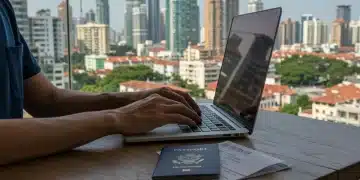
2025 Guide: Seamless Border Crossings for US Digital Nomads
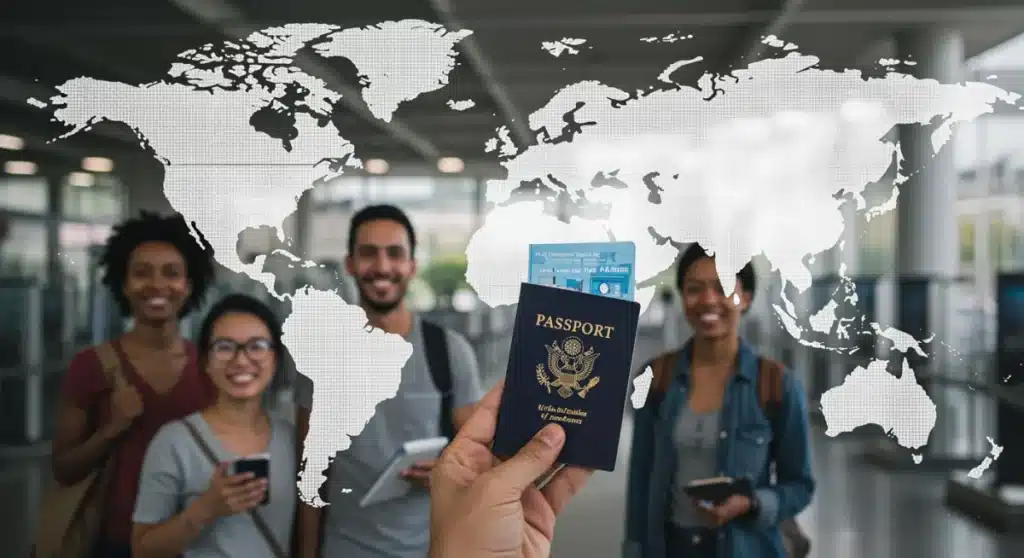
Achieving seamless border crossings as a US digital nomad in 2025 requires meticulous planning, a deep understanding of evolving visa regulations, and proactive preparation to prevent common travel disruptions and ensure continuous remote work.
Embarking on the digital nomad lifestyle promises unparalleled freedom, but for US citizens, navigating international borders in 2025 demands more than just a passport. This comprehensive guide, The 2025 Guide to Seamless Border Crossings: Avoiding Common Pitfalls for US Digital Nomads, is your essential companion to ensure your global adventures remain smooth and compliant.
Understanding Evolving Visa and Entry Requirements
The landscape of international travel is constantly shifting, and 2025 brings new considerations for US digital nomads. What might have been acceptable last year could result in significant delays or even denied entry today. Staying informed about the latest visa policies and entry protocols for your desired destinations is paramount to a successful border crossing experience.
Many countries are tightening their borders or introducing new digital nomad-specific visas, reflecting a global recognition of this growing workforce. It’s no longer enough to assume short-term tourist visas will suffice for extended stays while working remotely. Proactive research and application are key.
The Rise of Digital Nomad Visas
Several nations have launched specific digital nomad visas, designed to attract remote workers by offering legal residency and work permissions for a specified period. These visas often come with specific income requirements, health insurance mandates, and proof of remote employment.
- Income Verification: Most digital nomad visas require proof of a stable income, typically above a certain monthly threshold, to ensure financial self-sufficiency.
- Health Insurance: Comprehensive international health insurance is almost universally a prerequisite, covering medical emergencies and repatriation.
- Proof of Remote Work: You’ll need to demonstrate genuine remote employment or self-employment with clients outside the host country.
- Clean Criminal Record: A background check is a standard part of the application process for most long-term visas.
Beyond digital nomad visas, understanding the nuances of standard tourist visas, business visas, and visa-waiver programs (like the Schengen Area’s ETIAS, which becomes fully operational in 2025) is crucial. Each has limitations regarding the duration of stay and permissible activities. Overstaying or working illegally on a tourist visa can lead to severe penalties, including fines, deportation, and future entry bans.
In conclusion, the 2025 travel environment demands a meticulous approach to visa and entry requirements. Digital nomads must prioritize researching and securing the appropriate legal status for their remote work endeavors in each country they plan to visit, embracing the new opportunities presented by dedicated digital nomad visas while respecting traditional immigration laws.
Essential Documentation: Beyond Your Passport
While your US passport is undeniably the most critical document for international travel, a seamless border crossing in 2025 requires a comprehensive portfolio of supplementary paperwork. Border agents are increasingly vigilant, and having all your ducks in a row can prevent uncomfortable interrogations and potential entry denials.
Think of your documentation as a robust narrative supporting your travel intentions. It tells the story of who you are, why you’re visiting, and how you intend to support yourself, allaying any suspicions of illegal work or overstaying.
Key Documents to Prepare
Beyond your valid passport, ensure you have these documents readily accessible, preferably both physically and digitally:
- Visa Confirmation: If a visa is required, carry printed confirmation of its approval, along with any official letters or supporting documents submitted with your application.
- Proof of Onward Travel: An airline ticket or confirmed itinerary showing your departure from the country within your permitted stay is often mandatory. This reassures authorities you don’t intend to overstay.
- Accommodation Bookings: Proof of your initial accommodation (hotel, Airbnb, hostel) for at least the first few nights can be requested.
- Financial Solvency: Bank statements or credit card statements demonstrating sufficient funds to cover your stay without working illegally are frequently checked.
- Travel Insurance: Comprehensive travel insurance, especially health coverage, is a non-negotiable for digital nomads. Many countries now require it for entry.
- Proof of Remote Employment: A letter from your employer, client contracts, or a business registration for self-employed individuals, clearly stating your remote work status and income, can be incredibly helpful.
Organizing these documents in a dedicated travel folder, both physical and digital (cloud storage, encrypted USB drive), will save you immense stress at the border. Ensure all digital copies are accessible offline, just in case internet access is unavailable.
In summary, a well-organized and complete set of documentation is your best defense against border complexities. It demonstrates preparedness and honesty, allowing for a much smoother transition into your next international destination as a US digital nomad.
Navigating Customs and Immigration Interviews
The interaction with customs and immigration officials can often be the most anxiety-inducing part of border crossings. In 2025, these interviews are becoming more focused on understanding your true intentions, especially for those who fit the digital nomad profile. Approaching these interactions with confidence, honesty, and clarity is essential.
Remember that border agents are trained to identify inconsistencies and potential risks. Your demeanor, answers, and even your preparedness can influence their assessment. The goal is to provide clear, concise information that aligns with your documented intentions.
Effective Communication Strategies
When facing an immigration interview, adopt these strategies to facilitate a smooth process:
- Be Honest and Direct: Always tell the truth. Inconsistencies between your verbal statements and documentation can raise red flags.
- Be Concise: Answer questions directly without offering unnecessary additional information. Let the agent guide the conversation.
- Maintain Composure: Even if you feel stressed, remain calm and polite. A confrontational or evasive attitude will only complicate matters.
- Know Your Itinerary: Have a general understanding of your travel plans, even if they are flexible. Vague answers about your duration of stay or next destination can be problematic.
If asked about your work, clearly state that you are a remote worker and your clients or employer are outside the country you are entering. Emphasize that your work does not involve seeking local employment or serving local clients within the host country, unless you possess a specific work visa that permits this. Present your proof of remote employment if requested.
Should you encounter language barriers, politely request an interpreter. Avoid making assumptions or guessing answers. Being prepared for these interviews significantly reduces stress and increases your chances of a hassle-free entry.
In conclusion, a clear understanding of your travel purpose, coupled with honest and concise communication, is critical during customs and immigration interviews. This approach ensures that border officials quickly understand your legitimate intentions as a digital nomad, facilitating a seamless entry.
Health and Insurance Considerations for 2025
The global health landscape continues to evolve, making health and travel insurance more critical than ever for US digital nomads in 2025. Many countries now mandate comprehensive health coverage for all visitors, especially those seeking extended stays or digital nomad visas. Ignoring these requirements can lead to denied entry or significant financial burdens in case of medical emergencies.
Beyond legal requirements, adequate insurance provides peace of mind, knowing you’re protected against unforeseen medical expenses, travel disruptions, and other emergencies that can arise when living and working abroad.
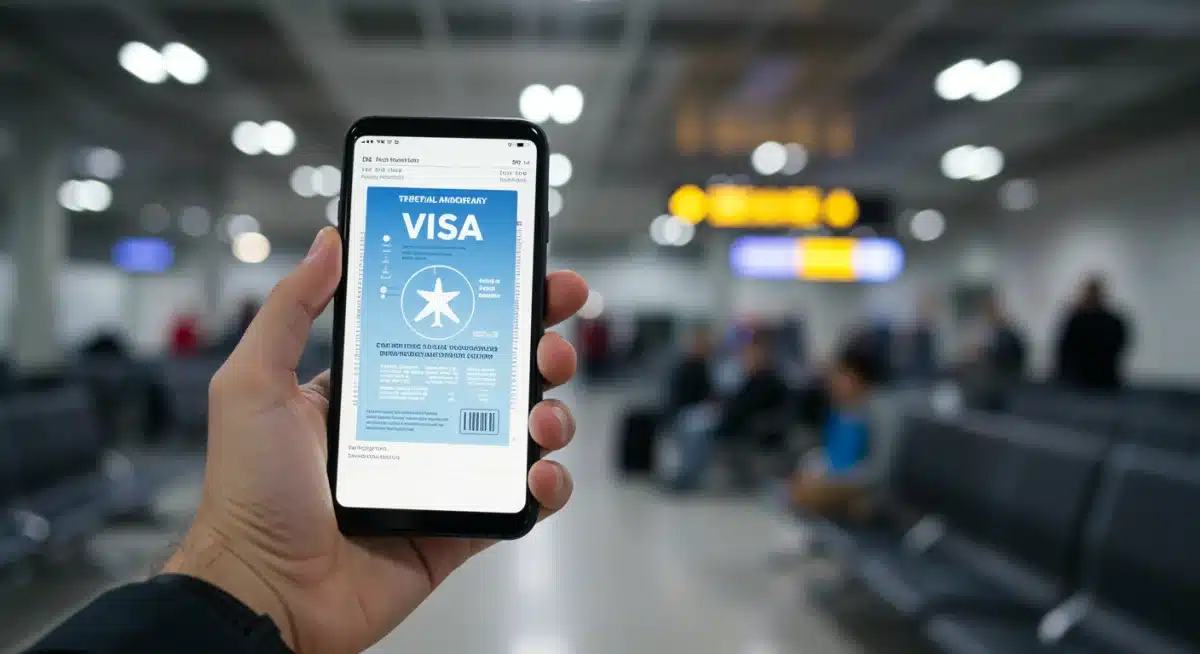
Comprehensive Coverage is Key
When selecting travel and health insurance, look for policies specifically designed for digital nomads or long-term international travelers. Standard vacation policies often have limitations that won’t suffice for your lifestyle.
- Medical Coverage: Ensure it covers hospital stays, doctor visits, emergency treatments, and prescription medications in your destination countries.
- Emergency Evacuation/Repatriation: This is crucial. If you become seriously ill or injured, this covers the cost of transporting you to a medical facility or back to your home country.
- Travel Delays and Cancellations: Look for coverage that reimburses you for unexpected costs due to flight delays, cancellations, or lost baggage.
- Personal Liability: Protects you if you accidentally cause injury to someone or damage property.
- Pre-existing Conditions: If you have any pre-existing medical conditions, confirm they are covered or explore specific riders for them.
Some digital nomad visas specify minimum coverage amounts or require policies from approved providers. Always double-check these details for your chosen destination. Carrying a physical and digital copy of your insurance policy, along with emergency contact numbers, is a smart practice.
Furthermore, be aware of local health advisories and vaccination requirements. Some regions may require specific vaccinations for entry, or it might be advisable to get them for your own protection. Consult with a travel health specialist before your departure.
In summary, robust health and travel insurance are non-negotiable for US digital nomads in 2025. It’s not just a legal formality but a crucial safety net that protects your well-being and finances while you explore the world and pursue your remote career.
Technology and Connectivity for Remote Work Abroad
For US digital nomads, the ability to stay connected and productive is the backbone of their lifestyle. In 2025, reliable technology and ubiquitous connectivity are not just conveniences; they are essential tools for seamless border crossings and successful remote work abroad. Ensuring you have the right setup can prevent significant headaches and maintain your professional commitments.
From secure internet access to essential hardware, a well-planned tech strategy can make the difference between a productive day and a frustrating scramble for connectivity.
Optimizing Your Digital Toolkit
Consider these technological aspects to ensure uninterrupted remote work:
- Reliable Laptop and Peripherals: Invest in a durable, lightweight laptop with sufficient processing power and battery life. Don’t forget essential peripherals like a portable monitor, ergonomic mouse, and noise-canceling headphones.
- Secure Internet Access: Research internet availability in your destination. Consider local SIM cards with generous data plans, portable Wi-Fi hotspots, or eSIM services for seamless connectivity across borders. Always use a Virtual Private Network (VPN) for secure browsing on public networks.
- Power Adapters and Converters: Universal adapters are a must. Also, check if your devices require a voltage converter to avoid damaging them in countries with different electrical standards.
- Cloud Storage and Backup: Rely heavily on cloud services for all your work files, ensuring they are accessible from anywhere and backed up securely. Consider external hard drives for additional local backups.
- Communication Tools: Ensure you have reliable access to video conferencing platforms (Zoom, Google Meet) and collaboration tools (Slack, Asana) that your team or clients use.
Before traveling, download offline maps, important documents, and entertainment. This prepares you for situations with limited or no internet access. Also, have a plan for tech support or repairs, as finding compatible services abroad can sometimes be challenging.
Furthermore, be mindful of cybersecurity. Digital nomads are often targets for cybercrime due to their reliance on public networks. Strong passwords, two-factor authentication, and up-to-date antivirus software are non-negotiable.
In conclusion, a robust technological setup and a clear strategy for connectivity are fundamental for US digital nomads in 2025. Prioritizing these aspects ensures that remote work remains seamless and productive, regardless of your global location, allowing you to focus on your adventures.
Avoiding Common Pitfalls and Travel Scams
The allure of the digital nomad lifestyle can sometimes blind travelers to potential risks. For US digital nomads in 2025, being aware of common pitfalls and scams is as crucial as understanding visa requirements. A little vigilance and foreknowledge can save you from significant financial losses, legal troubles, and emotional distress, ensuring your journey remains enjoyable and secure.
From overstaying visas to falling prey to local cons, many challenges can be easily circumvented with proper preparation and a healthy dose of skepticism.
Key Pitfalls to Steer Clear Of
Educate yourself on these common issues:
- Visa Overstay: This is perhaps the most serious pitfall. Even by a single day, overstaying your visa can lead to hefty fines, detention, deportation, and bans from re-entering the country or even the entire region (e.g., Schengen Area). Always track your entry and exit dates meticulously.
- Working Illegally: Engaging in local work or serving local clients on a tourist visa is a major violation and can have severe consequences, similar to overstaying. Stick to your remote work for clients outside the host country.
- Scams and Fraud: Be wary of common travel scams, which can range from inflated taxi fares and fake tour operators to ATM skimming and phishing emails targeting travelers. Always book through reputable sources and protect your personal information.
- Underestimating Costs: While some countries are affordable, unexpected expenses can quickly deplete your budget. Factor in emergency funds, fluctuating exchange rates, and potential visa application fees.
- Ignoring Local Laws and Customs: Every country has its own legal framework and cultural norms. Research and respect them to avoid unintentional offenses or misunderstandings.
Always trust your gut feeling. If an offer seems too good to be true, it probably is. Prioritize your safety and security over convenience or perceived savings. Keep emergency contact numbers readily available, including the local US embassy or consulate.
Furthermore, be cautious about sharing too much personal information on social media, as this can make you a target for criminals. Use strong privacy settings and avoid broadcasting your exact location in real-time.
In conclusion, a proactive approach to avoiding common pitfalls and scams is vital for the safety and success of US digital nomads in 2025. By staying informed, vigilant, and respectful of local regulations, you can protect yourself and ensure a more secure and fulfilling remote work experience abroad.
Future-Proofing Your Digital Nomad Journey
As the world continues its rapid evolution, so too does the digital nomad landscape. For US digital nomads eyeing 2025 and beyond, future-proofing your journey means staying agile, adaptable, and continuously updated on global trends in remote work, immigration, and technology. This forward-thinking approach ensures longevity and resilience in your international career and lifestyle.
Anticipating changes and preparing for them is key to maintaining a seamless and sustainable digital nomad existence, rather than constantly reacting to unforeseen challenges.
Strategies for Long-Term Success
Consider these proactive steps to future-proof your digital nomad lifestyle:
- Stay Informed on Policy Changes: Regularly monitor official government immigration websites, reputable travel news sources, and digital nomad forums for updates on visa policies, tax regulations, and entry requirements.
- Diversify Your Skillset: The remote work market is competitive. Continuously learn new skills and adapt your expertise to remain valuable and in demand, ensuring a stable income stream regardless of your location.
- Build a Strong Network: Connect with other digital nomads, remote workers, and local professionals. A strong network can provide support, opportunities, and invaluable local insights.
- Financial Planning and Diversification: Don’t put all your financial eggs in one basket. Diversify your income sources, build an emergency fund, and consider investments that are resilient to global economic fluctuations.
- Embrace New Technologies: Stay current with emerging technologies that can enhance your productivity, security, and connectivity, such as advanced collaboration tools, AI-powered assistants, and next-generation cybersecurity solutions.
Consider establishing a domicile in a US state with favorable tax laws, even if you spend most of your time abroad. This can simplify tax obligations and provide a stable base for legal and financial matters. Regularly review your residency status and tax implications in both the US and any host countries.
Finally, cultivate adaptability and resilience. The digital nomad life, while rewarding, can present unexpected challenges. A flexible mindset and the ability to pivot when necessary are invaluable assets for long-term success.
In conclusion, future-proofing your digital nomad journey involves continuous learning, strategic planning, and a commitment to adaptability. By embracing these principles, US digital nomads can navigate the evolving global landscape with confidence, ensuring a sustained and rewarding remote work experience for years to come.
| Key Point | Brief Description |
|---|---|
| Visa & Entry Rules | Stay updated on 2025 visa policies, especially digital nomad visas, to avoid complications. |
| Essential Documents | Beyond your passport, carry proof of onward travel, funds, accommodation, and remote employment. |
| Health & Insurance | Secure comprehensive international health and travel insurance; it’s often mandatory. |
| Avoid Pitfalls | Never overstay a visa or work illegally; be alert to local scams and respect customs. |
Frequently Asked Questions for US Digital Nomads
The most common reason for denial is attempting to work locally on a tourist visa or not having sufficient proof of onward travel and funds. Border agents look for clear intentions. Always be transparent about your remote work status and have all supporting documents ready to present.
Yes, in many cases. While some countries allow remote work on tourist visas for short periods, an increasing number require specific digital nomad visas or business visas. Always research the specific requirements for each country you plan to visit to ensure compliance.
Provide a letter from your US employer, client contracts, or proof of business registration for self-employment. These documents should clearly state your remote work status, income, and that your clients/employer are outside the host country, demonstrating no intent to compete with local labor.
While not universally mandatory for all countries, comprehensive international health insurance is highly recommended and often a prerequisite for digital nomad visas and longer stays. It protects you from unexpected medical costs and is a crucial safety net while abroad.
You must apply for an extension or a new visa well in advance of your current visa’s expiration date, following the host country’s immigration procedures. Never overstay your visa, as this can lead to severe penalties, fines, and future entry bans.
Conclusion
Navigating the complexities of international borders as a US digital nomad in 2025 requires a blend of meticulous planning, continuous education, and unwavering adaptability. By prioritizing a deep understanding of evolving visa requirements, preparing comprehensive documentation, mastering immigration interviews, securing robust health insurance, and staying vigilant against common pitfalls, you can transform potential travel hurdles into seamless transitions. The digital nomad lifestyle offers unparalleled freedom and opportunity, but its success hinges on responsible and informed travel practices. Embrace these guidelines, and your global remote work journey will not only be possible but profoundly rewarding, allowing you to focus on your productivity and exploration without unnecessary interruptions.